
Monsoon Health Tips: 10 Simple Ways to Stay Healthy and Prevent Infections This Rainy Season

Monsoon health tips are essential for protecting yourself from seasonal illnesses that become more common during the rainy months. While the cool showers offer relief from the scorching summer heat, the increase in humidity, stagnant water, and contaminated food and water can raise the risk of infections, allergies, and mosquito-borne diseases. A few smart lifestyle changes and healthy habits can help you enjoy the beauty of the monsoon without compromising your well-being. Here are 10 simple yet effective tips to stay healthy, active, and infection-free throughout the rainy season.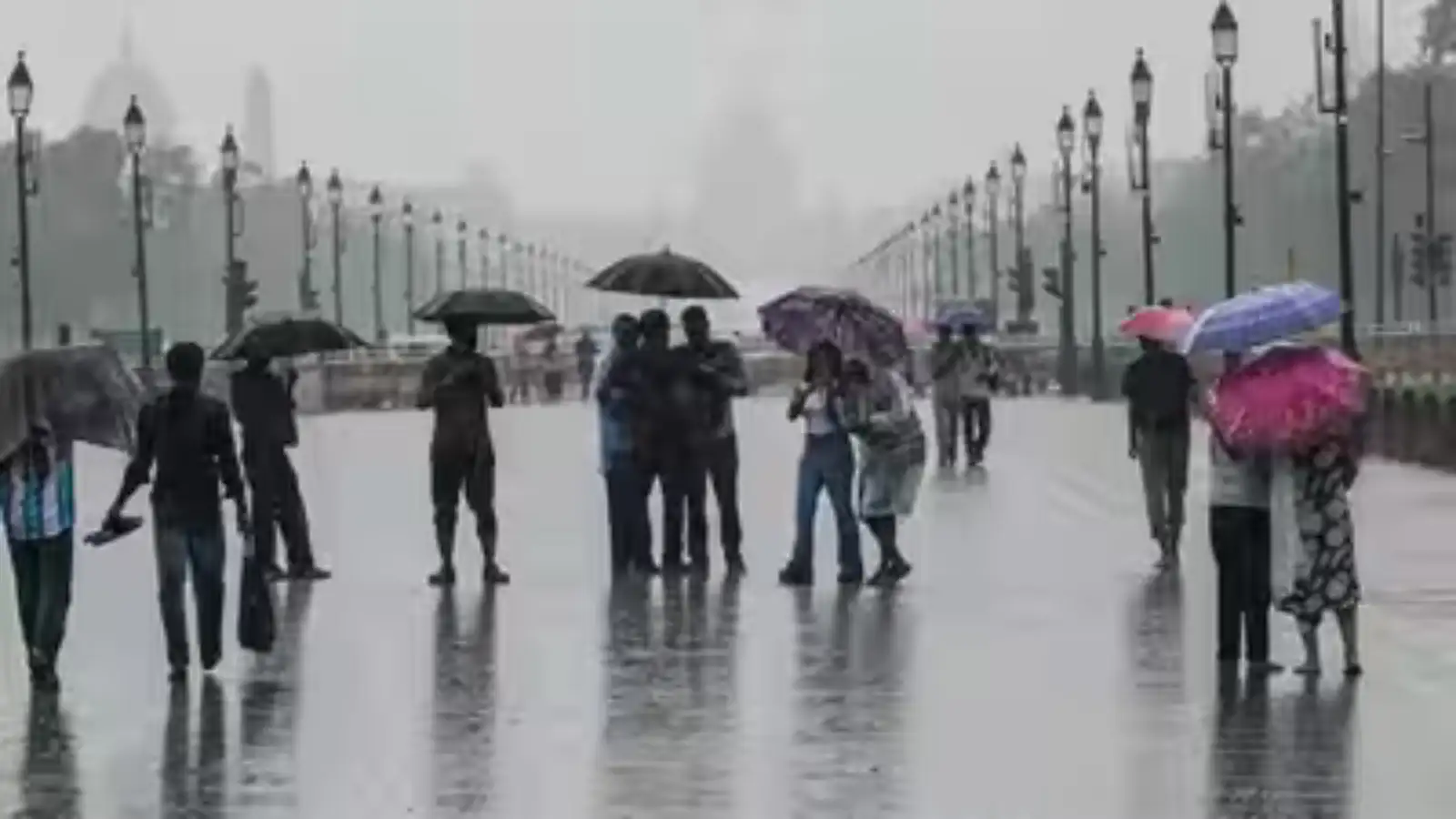
Why Following Monsoon Health Tips Matters
The rainy season creates ideal conditions for bacteria, viruses, and fungi to multiply. Waterlogging, damp surroundings, and fluctuating temperatures make people more vulnerable to illnesses such as dengue, malaria, viral fever, food poisoning, and stomach infections. Practising good hygiene, eating nutritious food, and maintaining a clean environment can significantly reduce these health risks and keep your family safe during the season.
10 Essential Monsoon Health Tips to Stay Fit and Safe
1. Drink Only Clean and Purified Water
Water contamination is one of the biggest health concerns during the monsoon. Always choose filtered, purified, or boiled drinking water to reduce the risk of waterborne diseases like typhoid, cholera, and diarrhoea. If you're travelling, carry your own water bottle whenever possible.
2. Choose Fresh Home-Cooked Food
Rainy weather increases the chances of food contamination, especially in uncovered or roadside food stalls. Freshly prepared home-cooked meals are generally safer and healthier. Include warm, freshly cooked dishes in your daily diet and avoid eating food that has been left out for long periods.
3. Keep Your Home and Surroundings Clean
Standing water around your home can quickly become a breeding ground for mosquitoes. Regularly empty containers that collect rainwater, clean drains, and dispose of waste properly. A clean environment helps reduce the spread of mosquito-borne diseases and other infections.
4. Change Out of Wet Clothes Immediately
Staying in damp clothes for a long time can increase the risk of fungal infections and skin irritation. If you get soaked in the rain, dry yourself thoroughly and wear clean, dry clothes as soon as possible. This simple habit can help protect your skin and overall health.
5. Strengthen Your Immune System with Healthy Foods
A strong immune system is your best defence against seasonal illnesses. Add plenty of seasonal fruits, leafy vegetables, whole grains, nuts, and foods rich in vitamins C and A to your diet. Drinking warm soups and herbal beverages can also help support your body's natural immunity.
6. Maintain Good Personal Hygiene
Frequent handwashing with soap and clean water is one of the easiest ways to prevent infections. Wash your hands before eating, after using the washroom, and after returning home from outside. Keeping your body clean and maintaining personal hygiene can go a long way in preventing common monsoon illnesses.
7. Protect Yourself from Mosquito Bites
Mosquitoes are more active during the rainy season, increasing the risk of diseases such as dengue, malaria, and chikungunya. Use mosquito repellents, install window screens, sleep under mosquito nets if required, and wear full-sleeved clothing, especially during the evening.
8. Avoid Walking Through Waterlogged Areas
Flooded roads and stagnant water often contain harmful bacteria and other contaminants that may cause skin infections or foot problems. Whenever possible, avoid walking through waterlogged streets. If you have no choice, wash your feet thoroughly with clean water and dry them properly afterwards.
9. Keep Your Home Dry and Well-Ventilated
Excess moisture inside the house encourages the growth of mould, bacteria, and fungi. Open windows whenever weather permits to improve air circulation, and use fans or dehumidifiers to reduce indoor humidity. Proper ventilation creates a healthier living environment during the monsoon.
10. Always Carry Rain Protection
Unexpected showers are common during the rainy season. Carrying an umbrella, raincoat, or waterproof jacket can help you stay dry and reduce the chances of catching seasonal infections caused by prolonged exposure to rain and damp weather.
Simple Daily Habits for Better Health During the Monsoon
Apart from following these essential precautions, maintaining a healthy routine is equally important. Exercise regularly, get adequate sleep, stay hydrated, and avoid sudden exposure to cold after being out in humid conditions. Managing stress and eating balanced meals also contribute to stronger immunity throughout the season.
The monsoon brings refreshing weather, lush greenery, and welcome relief from the summer heat, but it also demands extra attention to health and hygiene. By following these practical monsoon health tips—from drinking safe water and eating nutritious food to preventing mosquito bites and maintaining cleanliness—you can reduce the risk of seasonal illnesses and enjoy the rainy season with confidence. Small preventive measures taken every day can make a significant difference in keeping you and your loved ones healthy all through the monsoon.
Why Following Monsoon Health Tips Matters
The rainy season creates ideal conditions for bacteria, viruses, and fungi to multiply. Waterlogging, damp surroundings, and fluctuating temperatures make people more vulnerable to illnesses such as dengue, malaria, viral fever, food poisoning, and stomach infections. Practising good hygiene, eating nutritious food, and maintaining a clean environment can significantly reduce these health risks and keep your family safe during the season.
10 Essential Monsoon Health Tips to Stay Fit and Safe
1. Drink Only Clean and Purified Water
Water contamination is one of the biggest health concerns during the monsoon. Always choose filtered, purified, or boiled drinking water to reduce the risk of waterborne diseases like typhoid, cholera, and diarrhoea. If you're travelling, carry your own water bottle whenever possible.
2. Choose Fresh Home-Cooked Food
Rainy weather increases the chances of food contamination, especially in uncovered or roadside food stalls. Freshly prepared home-cooked meals are generally safer and healthier. Include warm, freshly cooked dishes in your daily diet and avoid eating food that has been left out for long periods.
3. Keep Your Home and Surroundings Clean
Standing water around your home can quickly become a breeding ground for mosquitoes. Regularly empty containers that collect rainwater, clean drains, and dispose of waste properly. A clean environment helps reduce the spread of mosquito-borne diseases and other infections.
You may also like
- Rain, romance & real connections: Mumbai singles give speed dating a shot
- You're not raising a kind child; you might be raising a people pleaser: What parents can do to avoid it happening
- The mystery of the blue liquid: Why do sanitary pad ads still use blue liquid instead of blood?
- Going on Kanwar Yatra for the First Time? Read These Rules Before Starting it
- How Hormonal Imbalances Can Make It Harder to Get Pregnant
4. Change Out of Wet Clothes Immediately
Staying in damp clothes for a long time can increase the risk of fungal infections and skin irritation. If you get soaked in the rain, dry yourself thoroughly and wear clean, dry clothes as soon as possible. This simple habit can help protect your skin and overall health.
5. Strengthen Your Immune System with Healthy Foods
A strong immune system is your best defence against seasonal illnesses. Add plenty of seasonal fruits, leafy vegetables, whole grains, nuts, and foods rich in vitamins C and A to your diet. Drinking warm soups and herbal beverages can also help support your body's natural immunity.
6. Maintain Good Personal Hygiene
Frequent handwashing with soap and clean water is one of the easiest ways to prevent infections. Wash your hands before eating, after using the washroom, and after returning home from outside. Keeping your body clean and maintaining personal hygiene can go a long way in preventing common monsoon illnesses.
7. Protect Yourself from Mosquito Bites
Mosquitoes are more active during the rainy season, increasing the risk of diseases such as dengue, malaria, and chikungunya. Use mosquito repellents, install window screens, sleep under mosquito nets if required, and wear full-sleeved clothing, especially during the evening.
8. Avoid Walking Through Waterlogged Areas
Flooded roads and stagnant water often contain harmful bacteria and other contaminants that may cause skin infections or foot problems. Whenever possible, avoid walking through waterlogged streets. If you have no choice, wash your feet thoroughly with clean water and dry them properly afterwards.
9. Keep Your Home Dry and Well-Ventilated
Excess moisture inside the house encourages the growth of mould, bacteria, and fungi. Open windows whenever weather permits to improve air circulation, and use fans or dehumidifiers to reduce indoor humidity. Proper ventilation creates a healthier living environment during the monsoon.
10. Always Carry Rain Protection
Unexpected showers are common during the rainy season. Carrying an umbrella, raincoat, or waterproof jacket can help you stay dry and reduce the chances of catching seasonal infections caused by prolonged exposure to rain and damp weather.
Simple Daily Habits for Better Health During the Monsoon
Apart from following these essential precautions, maintaining a healthy routine is equally important. Exercise regularly, get adequate sleep, stay hydrated, and avoid sudden exposure to cold after being out in humid conditions. Managing stress and eating balanced meals also contribute to stronger immunity throughout the season.
The monsoon brings refreshing weather, lush greenery, and welcome relief from the summer heat, but it also demands extra attention to health and hygiene. By following these practical monsoon health tips—from drinking safe water and eating nutritious food to preventing mosquito bites and maintaining cleanliness—you can reduce the risk of seasonal illnesses and enjoy the rainy season with confidence. Small preventive measures taken every day can make a significant difference in keeping you and your loved ones healthy all through the monsoon.






Loving Newspoint? Download the app now
