
Monsoon Superfoods: 10 Forgotten Seasonal Foods to Add to Your Diet This Rainy Season

Monsoon superfoods have long been a part of India's traditional food culture, but many of these nutrient-rich seasonal ingredients have gradually disappeared from everyday meals. As the rainy season brings fluctuating temperatures and a higher risk of infections, adding these locally available foods to your plate can help strengthen immunity, improve digestion, and provide essential vitamins and minerals. From wild greens to seasonal fruits and vegetables, here are 10 forgotten monsoon superfoods worth rediscovering.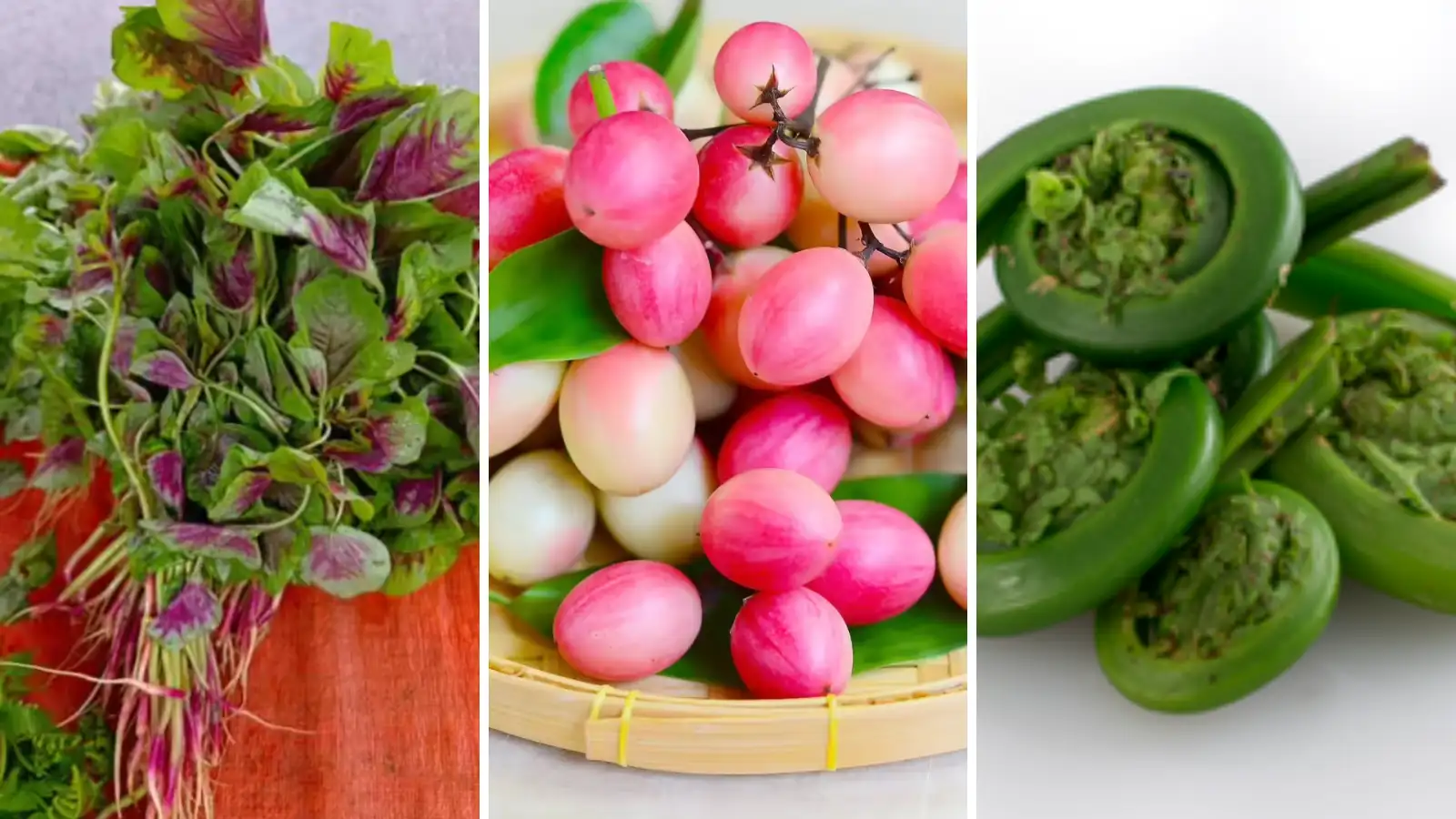
1. Kanthola (Spiny Gourd): A Seasonal Immunity Booster
Known as kakrol in many parts of India, Kanthola is a small, spiny vegetable that appears in markets only during the monsoon. Rich in antioxidants and dietary fibre, it supports healthy digestion, helps regulate blood sugar levels, and strengthens the body's natural defence against seasonal illnesses.
2. Lingri (Fiddlehead Ferns): A Himalayan Nutritional Treasure
Found in the Himalayan region during the rainy season, Lingri consists of tightly curled fern shoots that are prized for their unique flavour and nutrition. They are an excellent source of iron, vitamin A, and healthy fatty acids, making them beneficial for reducing inflammation and promoting better gut health.
3. Colocasia Leaves (Arbi ke Patte): More Than Just a Traditional Snack
While colocasia roots are widely consumed throughout the year, the broad green leaves flourish during the monsoon. Loaded with iron, vitamin C, and beta-carotene, these leaves are commonly used to prepare patra, a popular steamed delicacy that supports eye health and overall nutrition.
4. Takla (Sickle Senna): A Monsoon Favourite in Ayurveda
Takla is a wild leafy vegetable that grows abundantly with the first showers, particularly in Maharashtra. Traditionally cooked as a simple stir-fry, it is valued in Ayurvedic practices for its anti-inflammatory properties and is believed to support digestion while helping maintain healthy skin during the humid season.
5. Karonda (Natal Plum): The Tangy Berry Packed with Nutrients
Karonda is a small, tart berry that ripens during the peak monsoon months. Rich in vitamin C, iron, and essential minerals, it contributes to healthier skin, supports blood health, and may help the body fight common seasonal infections.
6. Bamboo Shoots : A High-Fibre Monsoon Delicacy
Fresh bamboo shoots become available during the rainy season, especially across Northeast India. Naturally low in calories and rich in dietary fibre, they promote healthy digestion, support cholesterol management, and help maintain a healthy gut.
7. Moringa Flowers: An Underrated Seasonal Ingredient
While moringa leaves are widely recognised for their health benefits, the edible flowers deserve equal attention. Blooming during seasonal transitions, these delicate flowers contain natural antimicrobial compounds that can help support immunity and protect against common monsoon-related infections.
8. Kurdu (Silver Cockscomb): A Wild Green Rich in Minerals
Kurdu is a traditional leafy green that grows on hillsides during the rainy season. Packed with calcium, vitamin C, and zinc, it provides important nutrients while its naturally cooling properties make it a popular choice in regions experiencing humid monsoon weather.
9. Sheval (Dragon Stalk Yam): A Rare Rainy Season Tuber
Sheval is a wild yam that appears only for a short period after the first rains. Once carefully prepared for consumption, this fibre-rich tuber offers valuable minerals and is traditionally appreciated for supporting digestion and reducing inflammation.
10. Amaranth Leaves (Chaulai): A Nutrient-Dense Leafy Green
Although available throughout the year, amaranth leaves thrive during the monsoon. Both the red and green varieties are excellent sources of iron, calcium, and essential vitamins, making them an ideal addition to meals for supporting healthy blood circulation and strengthening immunity.
Why Seasonal Monsoon Foods Deserve a Place on Your Plate
Eating foods that naturally grow during the rainy season is a simple way to enjoy fresh, locally available nutrition. These forgotten monsoon superfoods not only add variety to your meals but also provide valuable nutrients that support immunity, digestion, and overall well-being. Including them in your seasonal diet can help you make the most of nature's offerings while reconnecting with India's rich culinary traditions.
1. Kanthola (Spiny Gourd): A Seasonal Immunity Booster
Known as kakrol in many parts of India, Kanthola is a small, spiny vegetable that appears in markets only during the monsoon. Rich in antioxidants and dietary fibre, it supports healthy digestion, helps regulate blood sugar levels, and strengthens the body's natural defence against seasonal illnesses.
2. Lingri (Fiddlehead Ferns): A Himalayan Nutritional Treasure
Found in the Himalayan region during the rainy season, Lingri consists of tightly curled fern shoots that are prized for their unique flavour and nutrition. They are an excellent source of iron, vitamin A, and healthy fatty acids, making them beneficial for reducing inflammation and promoting better gut health.
3. Colocasia Leaves (Arbi ke Patte): More Than Just a Traditional Snack
While colocasia roots are widely consumed throughout the year, the broad green leaves flourish during the monsoon. Loaded with iron, vitamin C, and beta-carotene, these leaves are commonly used to prepare patra, a popular steamed delicacy that supports eye health and overall nutrition.
4. Takla (Sickle Senna): A Monsoon Favourite in Ayurveda
Takla is a wild leafy vegetable that grows abundantly with the first showers, particularly in Maharashtra. Traditionally cooked as a simple stir-fry, it is valued in Ayurvedic practices for its anti-inflammatory properties and is believed to support digestion while helping maintain healthy skin during the humid season.
You may also like
- Which Country Eats the Most Ice Cream? Top 10 Nations with the Highest Ice Cream Consumption
- Honey Benefits in Food: 5 Traditional Indian Foods That Taste Better with Honey
- Safe Skincare Routine: 7 Essential Oil Tips for Healthy, Glowing Skin
- Monsoon Diet Tips: 5 Low-Calorie Fruits to Add to Your Diet During the Rainy Season
- Monsoon Special Mocktails: 4 Easy Jamun Drinks You Can Make at Home This Rainy Season
5. Karonda (Natal Plum): The Tangy Berry Packed with Nutrients
Karonda is a small, tart berry that ripens during the peak monsoon months. Rich in vitamin C, iron, and essential minerals, it contributes to healthier skin, supports blood health, and may help the body fight common seasonal infections.
6. Bamboo Shoots : A High-Fibre Monsoon Delicacy
Fresh bamboo shoots become available during the rainy season, especially across Northeast India. Naturally low in calories and rich in dietary fibre, they promote healthy digestion, support cholesterol management, and help maintain a healthy gut.
7. Moringa Flowers: An Underrated Seasonal Ingredient
While moringa leaves are widely recognised for their health benefits, the edible flowers deserve equal attention. Blooming during seasonal transitions, these delicate flowers contain natural antimicrobial compounds that can help support immunity and protect against common monsoon-related infections.
8. Kurdu (Silver Cockscomb): A Wild Green Rich in Minerals
Kurdu is a traditional leafy green that grows on hillsides during the rainy season. Packed with calcium, vitamin C, and zinc, it provides important nutrients while its naturally cooling properties make it a popular choice in regions experiencing humid monsoon weather.
9. Sheval (Dragon Stalk Yam): A Rare Rainy Season Tuber
Sheval is a wild yam that appears only for a short period after the first rains. Once carefully prepared for consumption, this fibre-rich tuber offers valuable minerals and is traditionally appreciated for supporting digestion and reducing inflammation.
10. Amaranth Leaves (Chaulai): A Nutrient-Dense Leafy Green
Although available throughout the year, amaranth leaves thrive during the monsoon. Both the red and green varieties are excellent sources of iron, calcium, and essential vitamins, making them an ideal addition to meals for supporting healthy blood circulation and strengthening immunity.
Why Seasonal Monsoon Foods Deserve a Place on Your Plate
Eating foods that naturally grow during the rainy season is a simple way to enjoy fresh, locally available nutrition. These forgotten monsoon superfoods not only add variety to your meals but also provide valuable nutrients that support immunity, digestion, and overall well-being. Including them in your seasonal diet can help you make the most of nature's offerings while reconnecting with India's rich culinary traditions.






Loving Newspoint? Download the app now
