
Monsoon Wellness Tips: 6 Ayurvedic Ingredients to Boost Immunity and Stay Healthy

The rainy season brings welcome relief from the summer heat, but it also creates ideal conditions for infections, digestive troubles, allergies and skin concerns. Following the right monsoon wellness tips can help your body stay resilient during this time. Ayurveda recommends several time-tested herbs and natural ingredients that support immunity, digestion and overall well-being, making them valuable additions to your daily routine.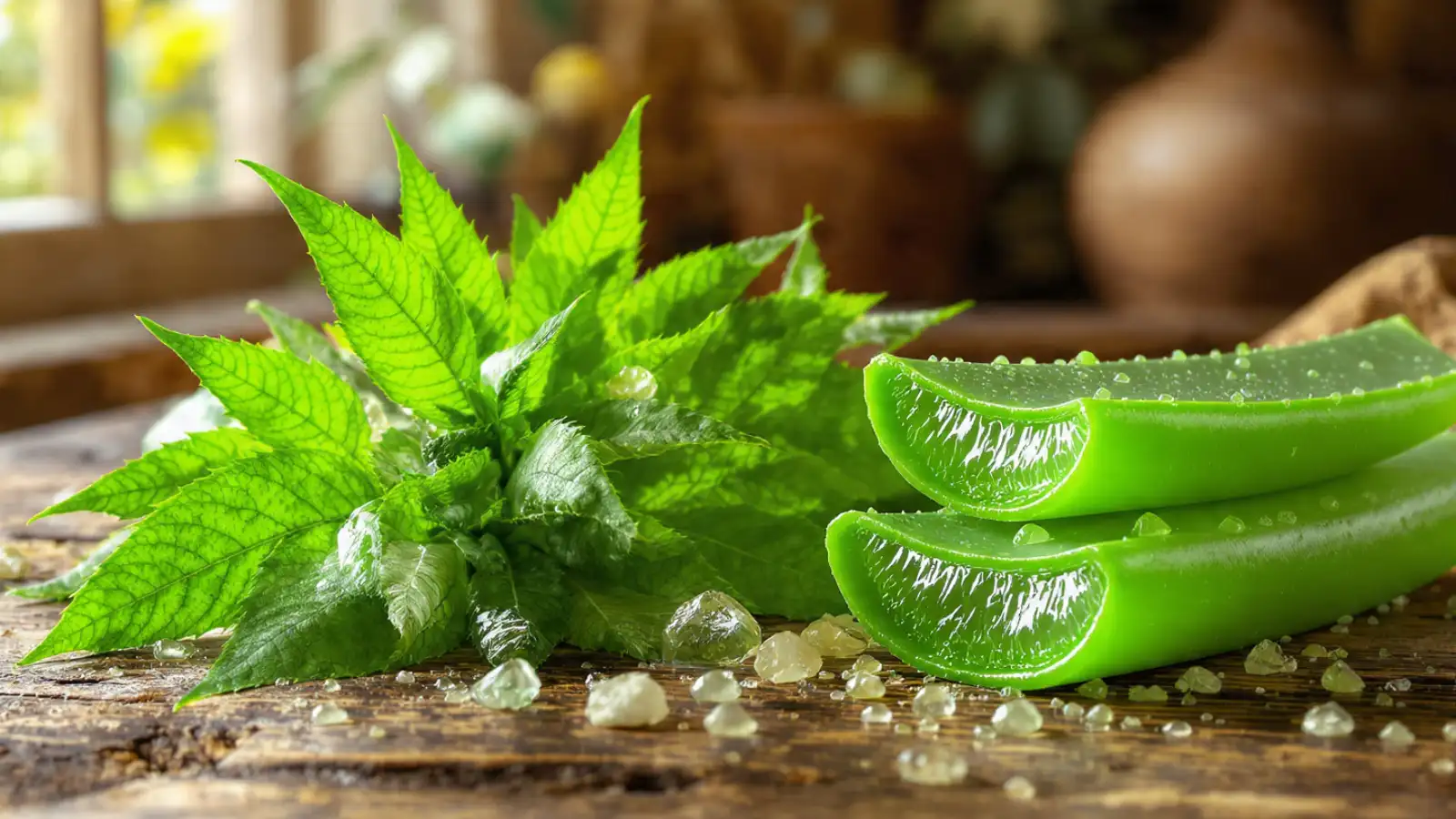
Why Monsoon Demands Extra Care
During the monsoon, rising humidity, changing temperatures and the increased risk of contaminated food and water can weaken the body's natural defences. This often leads to seasonal illnesses such as coughs, colds, stomach infections, skin problems and allergies.
According to Dr Sujit Paul, Group Chief Executive Officer and Health Expert at Zota Health Care Ltd., Ayurveda focuses on prevention rather than cure. By incorporating certain medicinal herbs and botanicals into everyday life, you can help your body maintain balance and better adapt to seasonal changes.
1. Neem: A Natural Shield Against Seasonal Infections
Neem has earned a trusted place in Ayurveda due to its powerful antibacterial, antifungal and anti-inflammatory properties.
It helps protect the skin from fungal infections, acne and other common monsoon-related skin concerns. Neem has also traditionally been used to promote oral hygiene and strengthen the body's natural immune response, making it an excellent herb for the rainy season.
2. Aloe Vera: Soothe Your Skin and Support Digestion
Monsoon humidity can leave the skin feeling itchy, irritated and prone to infections. Aloe vera is widely recognised for its cooling, moisturising and calming effects on the skin.
It supports the skin's natural healing process while helping maintain hydration. When consumed appropriately, aloe vera may also aid digestion and promote gut comfort, which can be especially beneficial when digestive issues become more common during the rainy season.
3. Tulsi: An Ayurvedic Herb for Stronger Immunity
Tulsi, also known as holy basil, is one of Ayurveda's most valued herbs for enhancing immunity and respiratory health.
Rich in antioxidants and plant-based compounds, tulsi may help the body fight seasonal coughs, sore throats, colds and allergy-related discomfort. Drinking tulsi tea or chewing fresh leaves can be an easy and effective way to support your health during the monsoon.
4. Turmeric: The Everyday Super Spice
Turmeric contains curcumin, a natural compound known for its antioxidant and anti-inflammatory benefits.
Including turmeric in daily meals may help strengthen the immune system while supporting the body's response to inflammation. Consuming turmeric with black pepper can improve curcumin absorption, allowing the body to make better use of its health-promoting properties.
5. Ginger: Your Digestive Companion During the Rainy Season
Digestive problems often increase during the monsoon due to irregular eating habits and food contamination.
Ginger is known to support healthy digestion by easing bloating, indigestion and nausea. Its warming properties also provide comfort during damp weather, while helping soothe mild throat irritation and supporting respiratory health.
6. Amla: A Vitamin C-Rich Immunity Booster
Amla, or Indian gooseberry, is packed with vitamin C and antioxidants that help strengthen the body's immune system.
Regular consumption of amla may help reduce oxidative stress, improve skin health and boost overall vitality. It also supports the body's ability to cope with seasonal changes more effectively.
Healthy Habits Matter Just as Much
While these Ayurvedic ingredients offer several health benefits, experts emphasise that they work best when combined with healthy lifestyle habits.
Eating a balanced diet, drinking safe and clean water, maintaining good personal hygiene, getting adequate sleep and staying physically active all play an essential role in preventing seasonal illnesses. People with existing health conditions or those taking prescription medicines should consult a qualified healthcare professional before regularly consuming herbal supplements.
Ayurveda encourages a preventive approach to health, especially during changing seasons like the monsoon. Adding trusted ingredients such as neem, aloe vera, tulsi, turmeric, ginger and amla to your daily routine, alongside a healthy lifestyle, can help strengthen immunity, support digestion and improve overall well-being throughout the rainy season.
Why Monsoon Demands Extra Care
During the monsoon, rising humidity, changing temperatures and the increased risk of contaminated food and water can weaken the body's natural defences. This often leads to seasonal illnesses such as coughs, colds, stomach infections, skin problems and allergies.
According to Dr Sujit Paul, Group Chief Executive Officer and Health Expert at Zota Health Care Ltd., Ayurveda focuses on prevention rather than cure. By incorporating certain medicinal herbs and botanicals into everyday life, you can help your body maintain balance and better adapt to seasonal changes.
1. Neem: A Natural Shield Against Seasonal Infections
Neem has earned a trusted place in Ayurveda due to its powerful antibacterial, antifungal and anti-inflammatory properties.
It helps protect the skin from fungal infections, acne and other common monsoon-related skin concerns. Neem has also traditionally been used to promote oral hygiene and strengthen the body's natural immune response, making it an excellent herb for the rainy season.
2. Aloe Vera: Soothe Your Skin and Support Digestion
Monsoon humidity can leave the skin feeling itchy, irritated and prone to infections. Aloe vera is widely recognised for its cooling, moisturising and calming effects on the skin.
It supports the skin's natural healing process while helping maintain hydration. When consumed appropriately, aloe vera may also aid digestion and promote gut comfort, which can be especially beneficial when digestive issues become more common during the rainy season.
3. Tulsi: An Ayurvedic Herb for Stronger Immunity
Tulsi, also known as holy basil, is one of Ayurveda's most valued herbs for enhancing immunity and respiratory health.
Rich in antioxidants and plant-based compounds, tulsi may help the body fight seasonal coughs, sore throats, colds and allergy-related discomfort. Drinking tulsi tea or chewing fresh leaves can be an easy and effective way to support your health during the monsoon.
You may also like
- One night at a time: Overcoming first-time CPAP/BiPAP anxiety with DreamStation
- African proverb of the day: "If you fill your mouth with a razor, you will spit blood" reckless choices have painful consequences
- SSY vs FD: Sukanya Samriddhi Yojana or Bank FD? Where should you deposit money in your daughter's name to get the highest returns?
- Disha Patani Reflects on Her Journey in the Film Industry
- Tax Refund: Want a quick tax refund? Here are 5 mistakes you must avoid..
4. Turmeric: The Everyday Super Spice
Turmeric contains curcumin, a natural compound known for its antioxidant and anti-inflammatory benefits.
Including turmeric in daily meals may help strengthen the immune system while supporting the body's response to inflammation. Consuming turmeric with black pepper can improve curcumin absorption, allowing the body to make better use of its health-promoting properties.
5. Ginger: Your Digestive Companion During the Rainy Season
Digestive problems often increase during the monsoon due to irregular eating habits and food contamination.
Ginger is known to support healthy digestion by easing bloating, indigestion and nausea. Its warming properties also provide comfort during damp weather, while helping soothe mild throat irritation and supporting respiratory health.
6. Amla: A Vitamin C-Rich Immunity Booster
Amla, or Indian gooseberry, is packed with vitamin C and antioxidants that help strengthen the body's immune system.
Regular consumption of amla may help reduce oxidative stress, improve skin health and boost overall vitality. It also supports the body's ability to cope with seasonal changes more effectively.
Healthy Habits Matter Just as Much
While these Ayurvedic ingredients offer several health benefits, experts emphasise that they work best when combined with healthy lifestyle habits.
Eating a balanced diet, drinking safe and clean water, maintaining good personal hygiene, getting adequate sleep and staying physically active all play an essential role in preventing seasonal illnesses. People with existing health conditions or those taking prescription medicines should consult a qualified healthcare professional before regularly consuming herbal supplements.
Ayurveda encourages a preventive approach to health, especially during changing seasons like the monsoon. Adding trusted ingredients such as neem, aloe vera, tulsi, turmeric, ginger and amla to your daily routine, alongside a healthy lifestyle, can help strengthen immunity, support digestion and improve overall well-being throughout the rainy season.






More from our partners


Loving Newspoint? Download the app now
