
Why Mornings And Evenings Matter In Your Garden Routine

A successful garden routine is not just about what you do, but when you do it. Mornings and evenings are the most important parts of the day for gardening tasks because they offer cooler temperatures, reduced evaporation, and better conditions for plant care. Understanding the importance of timing can significantly improve plant health and overall garden productivity.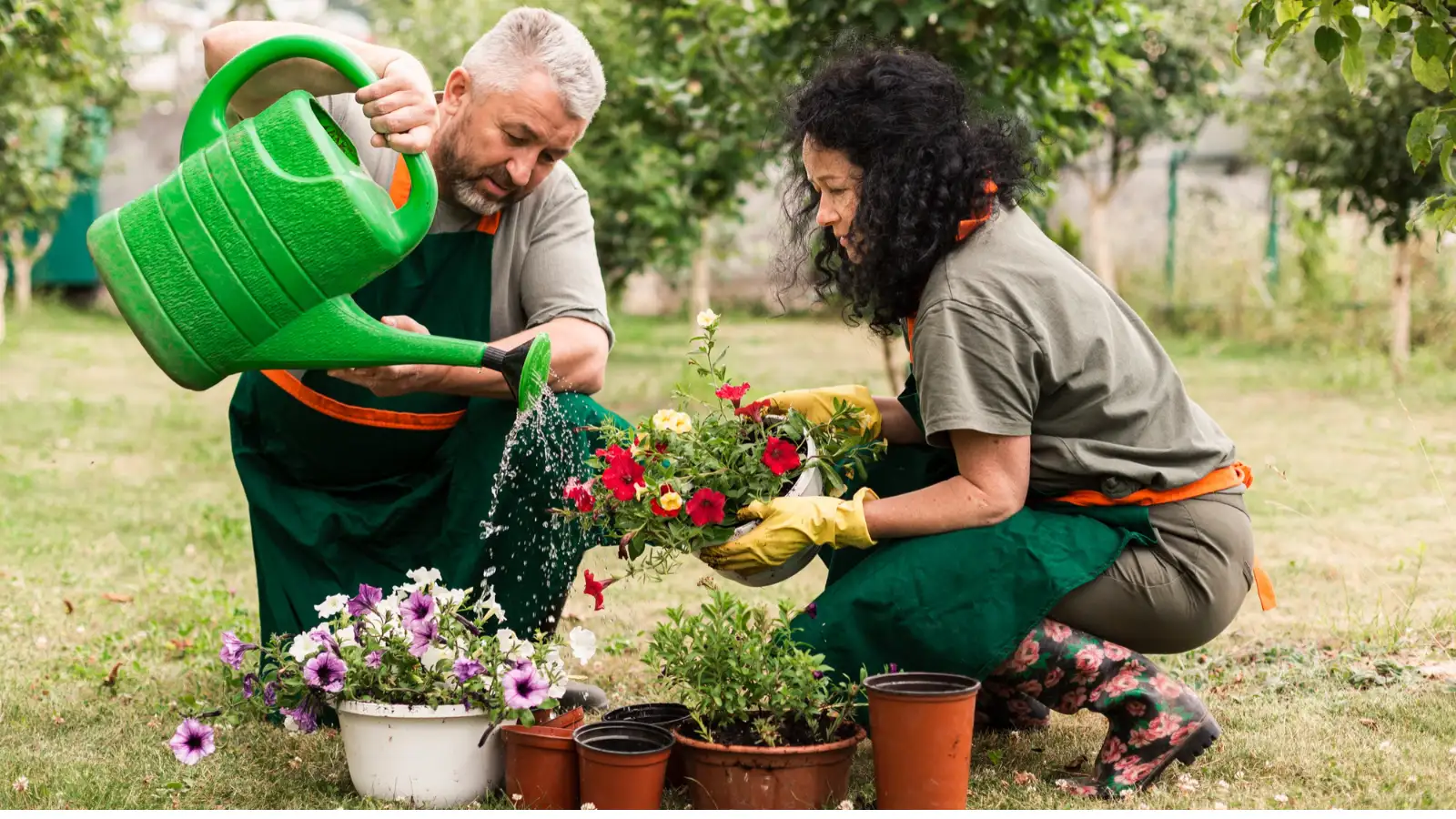
Watering in the morning helps leaves dry throughout the day, reducing the risk of fungal diseases. This simple adjustment in your plant care schedule can make a noticeable difference in your garden’s health.
Read More: 8 Gardening Mistakes Every New Plant Owner Must Avoid
Watering in the evening allows moisture to stay in the soil overnight, giving plants time to absorb it effectively. However, it is important not to overwater, as excess moisture can lead to root issues. Evening is also a peaceful time to observe your garden and plan the next day’s tasks.
A consistent seasonal gardening routine also helps plants adapt better to weather changes. Whether you are growing flowers, herbs, or vegetables, timing plays a vital role in success.
By understanding why mornings and evenings matter, gardeners can improve efficiency, conserve water, and encourage stronger plant growth. Small changes in timing can lead to long-term improvements in your garden’s beauty and productivity.
Morning Gardening Benefits
Morning is considered the best time for gardening activities such as watering, pruning, and checking plant health. During this time, temperatures are cooler and winds are gentler, allowing water to soak deeply into the soil. Morning gardening benefits include reduced water loss through evaporation and improved nutrient absorption. Plants are also more active in the morning, making it an ideal time to support healthy growth.Watering in the morning helps leaves dry throughout the day, reducing the risk of fungal diseases. This simple adjustment in your plant care schedule can make a noticeable difference in your garden’s health.
Read More: 8 Gardening Mistakes Every New Plant Owner Must Avoid
Evening Gardening Care
Evenings are equally important in a proper garden routine. As the sun sets and temperatures drop, plants experience less stress. Evening gardening care is perfect for tasks such as light watering, weeding, and soil inspection.You may also like
- The Inspiring Legacy of Dr. APJ Abdul Kalam: A Journey of Dreams and Determination
- Oats vs. Poha: Oats or Poha… find out which breakfast is best for weight loss and energy throughout the day.
- Times Internet Ecopreneur Awards 2025, when Hero MotoCorp COO Ram Kuppuswamy was recognised for sustainability leadership
- “A place like this is a real source of support”: What are Japan's overnight crying cafes and why mothers are loving them so much!
- Exploring the Lavish Real Estate Portfolio of Abhishek and Aishwarya Rai Bachchan
Watering in the evening allows moisture to stay in the soil overnight, giving plants time to absorb it effectively. However, it is important not to overwater, as excess moisture can lead to root issues. Evening is also a peaceful time to observe your garden and plan the next day’s tasks.
Why Timing Matters for Plant Growth
The best time to water plants and perform gardening tasks directly affects plant health. Midday heat can cause water to evaporate quickly, reducing efficiency and wasting resources. By following a structured garden routine that focuses on mornings and evenings, gardeners can ensure better hydration, stronger roots, and healthier foliage.A consistent seasonal gardening routine also helps plants adapt better to weather changes. Whether you are growing flowers, herbs, or vegetables, timing plays a vital role in success.
Creating a Balanced Garden Routine
A well-planned garden routine tips strategy includes morning watering, light evening care, and regular observation. This balanced approach ensures that plants receive attention without being exposed to stress conditions.By understanding why mornings and evenings matter, gardeners can improve efficiency, conserve water, and encourage stronger plant growth. Small changes in timing can lead to long-term improvements in your garden’s beauty and productivity.






More from our partners


Loving Newspoint? Download the app now
