
The Cost of Smog: Which Country Has the Worst Air in the World?

Air pollution has become one of the biggest health dangers in our modern world, causing millions of sicknesses and deaths every single year. While bad air can change depending on the season, scientists measure long-term danger by tracking tiny, toxic dust particles. These particles are so small that they easily travel past our body's natural defenses, entering our lungs and blood. According to annual reports by global air quality groups, this crisis is the worst in developing areas. The annual report from Swiss air quality monitoring firm IQAir paints a clear picture of what people are breathing globally. Surprisingly, a massive 91% of all monitored nations fail to meet the clean air safety rules recommended by the World Health Organization.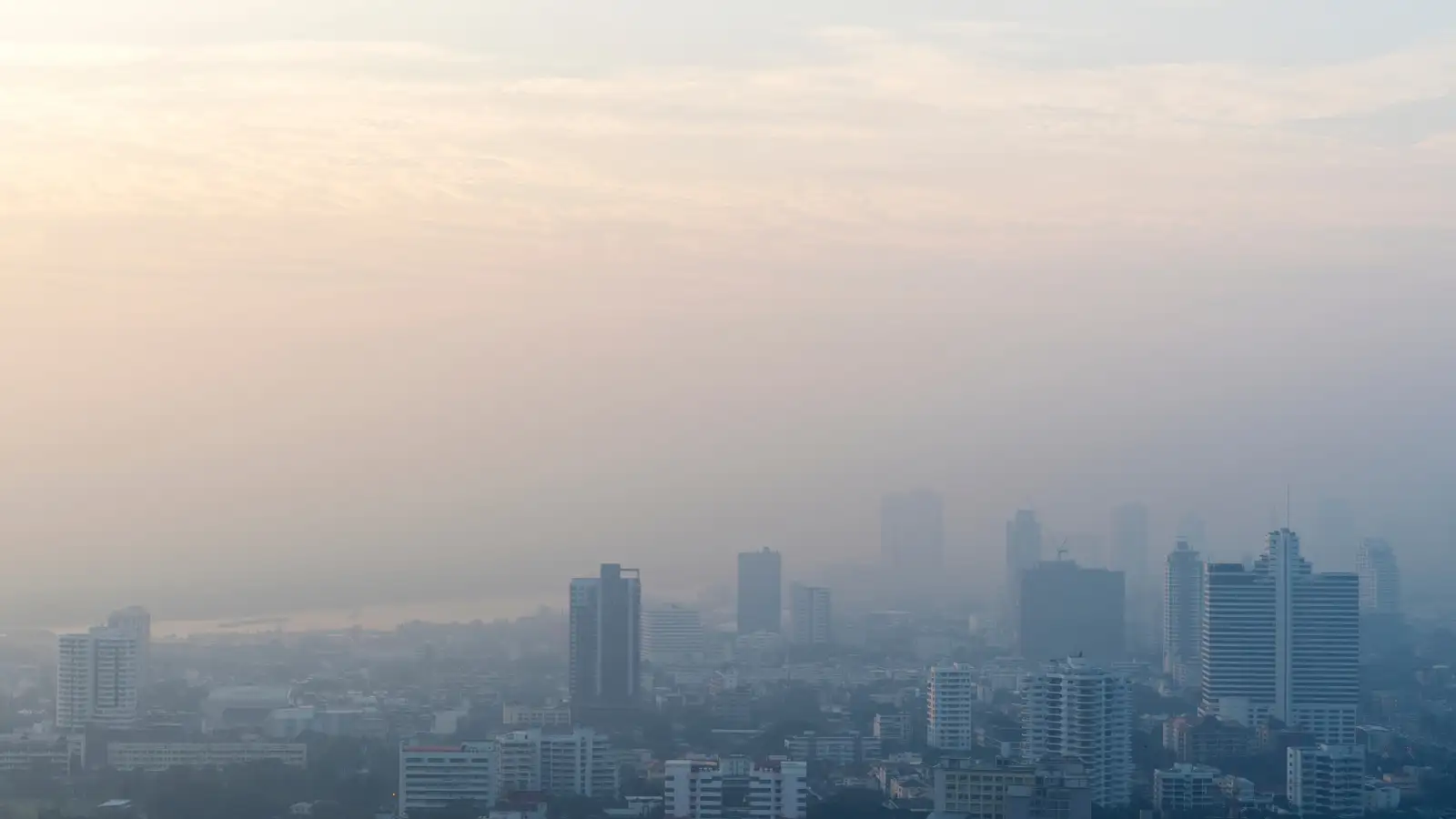
When looking at the global map of dirty air, South Asian nations are dealing with the most critical challenges. According to the latest data, Pakistan ranks as the most polluted country in the world, with its cities frequently enveloped in hazardous gray blankets of winter smog.
Right behind it, Bangladesh holds the second spot for the poorest air quality, while India ranks sixth globally. Other nations heavily impacted by high pollution scores include Tajikistan in Central Asia, Chad in north-central Africa, and the Democratic Republic of the Congo. In these hardest-hit areas, citizens breathe air that contains multiple times the amount of toxic dust deemed safe by medical professionals.
There are a few clear, human-made reasons why countries in South Asia struggle so heavily with dirty air:
Outside of South Asia, the reasons for bad air can differ slightly. For instance, in Middle Eastern and African nations, industrial emissions and fossil fuel extraction combine with natural environmental factors. In places like Chad or Iraq, heavy dust storms blowing off vast deserts mix with city pollution, pushing particulate levels to dangerous heights. Conversely, cleaner air is typically found in isolated island territories or nations with strict regulations, such as French Polynesia, Iceland, and Australia.
Fixing this global health problem will require a massive shift in how countries generate power and manage growth. Leaders must actively step away from coal-fired power plants, set stricter penalties for polluting factories, and build reliable public transit systems to get older cars off the road. Additionally, transitioning away from open crop burning and investing in widespread, real-time air quality monitors are essential steps to protect the health of future generations.
When looking at the global map of dirty air, South Asian nations are dealing with the most critical challenges. According to the latest data, Pakistan ranks as the most polluted country in the world, with its cities frequently enveloped in hazardous gray blankets of winter smog.
Right behind it, Bangladesh holds the second spot for the poorest air quality, while India ranks sixth globally. Other nations heavily impacted by high pollution scores include Tajikistan in Central Asia, Chad in north-central Africa, and the Democratic Republic of the Congo. In these hardest-hit areas, citizens breathe air that contains multiple times the amount of toxic dust deemed safe by medical professionals.
There are a few clear, human-made reasons why countries in South Asia struggle so heavily with dirty air:
- Unregulated Factories and Production: Thousands of local brick kilns and heavy factories burn cheap, dirty fuels like low-grade coal or oil every single day. These operations pump thick, black smoke straight into the open sky without using proper filters or clean technologies.
- Old Vehicles and Traffic Jams: Rapidly growing populations mean city roads are packed with older cars, motorcycles, and diesel trucks. Many of these vehicles lack emission controls, releasing massive amounts of toxic tailpipe pollution into dense neighborhoods.
- Agricultural Practices: Every year, millions of farmers across these regions burn leftover crop stubble to clear their fields quickly for the next planting season. This seasonal practice creates giant, wandering clouds of heavy smoke that drift into major residential zones.
- Household Biomass Burning: In many rural and lower-income areas, families rely on burning wood, crop residue, or dried animal dung for daily cooking and home heating. This practice creates high amounts of indoor and outdoor pollution.
- Construction and Unpaved Roads: Massive, ongoing building projects across expanding cities generate constant clouds of fine cement and dirt dust. This problem is made worse by unpaved roads, where passing traffic continually kicks heavy dust back into the air.
Outside of South Asia, the reasons for bad air can differ slightly. For instance, in Middle Eastern and African nations, industrial emissions and fossil fuel extraction combine with natural environmental factors. In places like Chad or Iraq, heavy dust storms blowing off vast deserts mix with city pollution, pushing particulate levels to dangerous heights. Conversely, cleaner air is typically found in isolated island territories or nations with strict regulations, such as French Polynesia, Iceland, and Australia.
Fixing this global health problem will require a massive shift in how countries generate power and manage growth. Leaders must actively step away from coal-fired power plants, set stricter penalties for polluting factories, and build reliable public transit systems to get older cars off the road. Additionally, transitioning away from open crop burning and investing in widespread, real-time air quality monitors are essential steps to protect the health of future generations.
Next Story