
National Mango Day 2026: Why Mangoes Are More Than Just A Summer Fruit

For millions of Indians, a mango is much more than a seasonal fruit. It represents childhood memories, family traditions, festive meals and the arrival of summer. Every year on 22 July, National Mango Day celebrates this beloved fruit while recognising its immense cultural, agricultural and economic significance.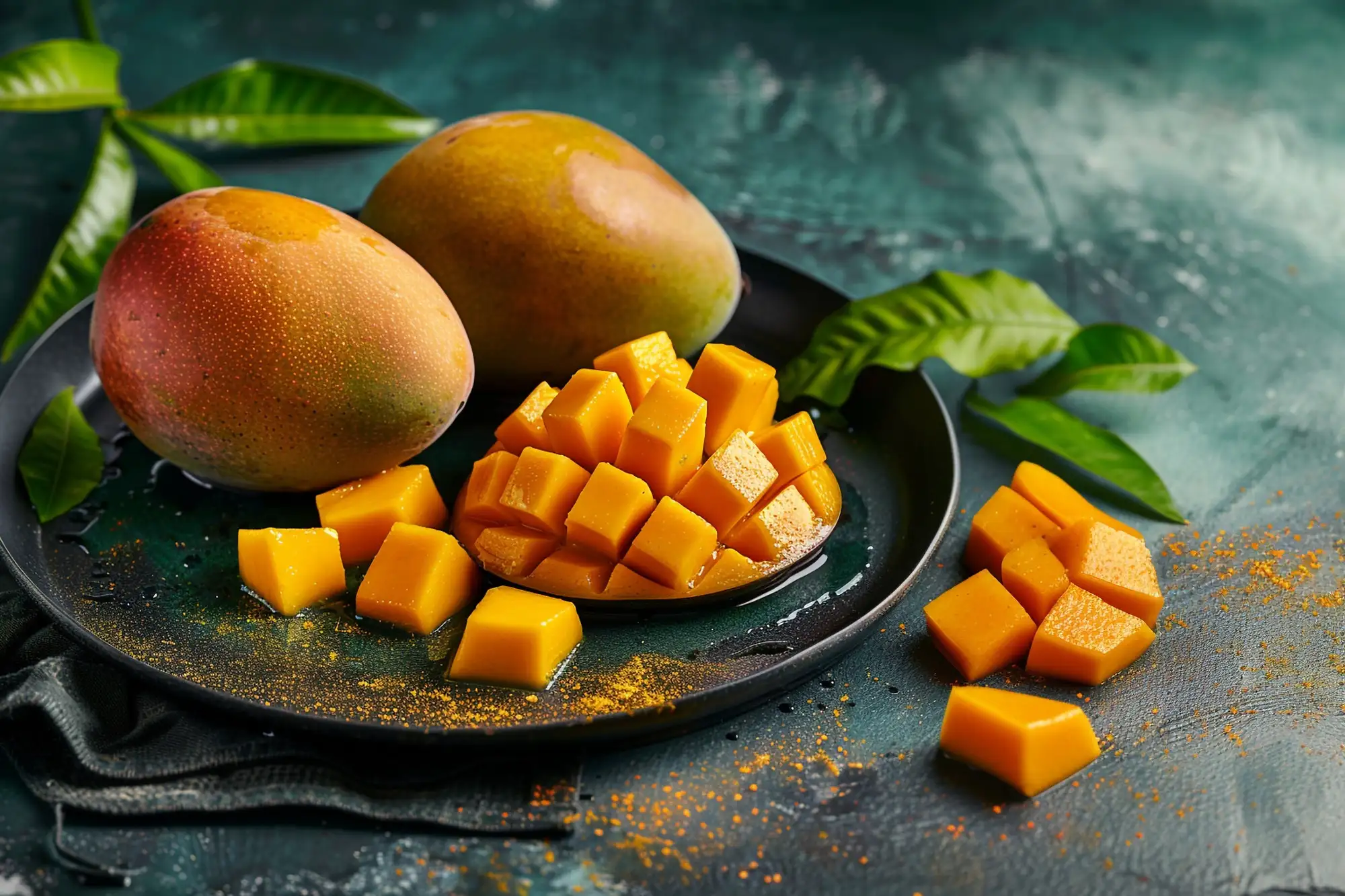
From the rich Alphonso of Maharashtra to the aromatic Dasheri of Uttar Pradesh and the juicy Langra of Varanasi, every region proudly boasts its own favourite variety. It is this diversity that has earned the mango the title of the King of Fruits .
Over centuries, traders introduced Indian mangoes to Southeast Asia, the Middle East, Africa and eventually other parts of the world. Even today, the scientific name Mangifera indica reflects its Indian origin.
Also Read: National Mango Day 2026: 5 Delicious Mango Recipes and Smart Tips to Enjoy the King of Fruits
Major mango-producing states include Uttar Pradesh, Andhra Pradesh, Telangana, Karnataka, Maharashtra, Bihar, Gujarat, Tamil Nadu, West Bengal and Odisha. Indian mangoes are also exported to several international markets, making them an important contributor to agricultural trade.
Popular varieties include Alphonso, Dasheri, Langra, Kesar, Banganapalli, Chausa, Totapuri and Himsagar. Whether enjoyed fresh, blended into smoothies or used in desserts, every mango has its own loyal fan base.
Friendly debates over which variety tastes best are almost as common as discussions about cricket or regional cuisine.
The fruit has also inspired art, jewellery, architecture and textiles for centuries. The famous paisley design, known locally as ambi, is believed to be inspired by the shape of a mango.
Across Indian kitchens, every stage of the fruit finds a purpose, from tangy raw mango pickles and chutneys to refreshing aam panna and delicious ripe mango desserts.
Raw mangoes are especially popular during summer and are widely used in refreshing drinks that help replenish electrolytes and combat the heat.
Like any fruit, mangoes are best enjoyed in moderation as part of a healthy lifestyle.
As climate change continues to affect farming, choosing locally grown seasonal produce can also contribute to more sustainable agriculture.
For every Indian, there is a special memory linked to mangoes. Whether it is sharing aamras with family, enjoying homemade pickle or waiting eagerly for the first mangoes of the season, the King of Fruits continues to bring joy across generations. That timeless connection is exactly what National Mango Day celebrates.
From the rich Alphonso of Maharashtra to the aromatic Dasheri of Uttar Pradesh and the juicy Langra of Varanasi, every region proudly boasts its own favourite variety. It is this diversity that has earned the mango the title of the King of Fruits .
A Fruit With Ancient Roots
The story of mangoes in India stretches back more than 4,000 years. Ancient Sanskrit texts mention the fruit, while Buddhist traditions describe Gautama Buddha meditating in peaceful mango groves. Historical accounts also suggest that Emperor Ashoka encouraged the planting of mango trees across his kingdom.Over centuries, traders introduced Indian mangoes to Southeast Asia, the Middle East, Africa and eventually other parts of the world. Even today, the scientific name Mangifera indica reflects its Indian origin.
Also Read: National Mango Day 2026: 5 Delicious Mango Recipes and Smart Tips to Enjoy the King of Fruits
India's Pride And Agricultural Strength
India remains the world's largest producer of mangoes, harvesting millions of tonnes every year. Mango cultivation supports the livelihoods of countless farmers, traders, transport workers and food processing businesses across the country.Major mango-producing states include Uttar Pradesh, Andhra Pradesh, Telangana, Karnataka, Maharashtra, Bihar, Gujarat, Tamil Nadu, West Bengal and Odisha. Indian mangoes are also exported to several international markets, making them an important contributor to agricultural trade.
A Treasure Of Mango Varieties
One of India's greatest strengths is its extraordinary range of mango varieties. More than 1,500 types are cultivated across different regions, each offering a unique taste, aroma and texture.Popular varieties include Alphonso, Dasheri, Langra, Kesar, Banganapalli, Chausa, Totapuri and Himsagar. Whether enjoyed fresh, blended into smoothies or used in desserts, every mango has its own loyal fan base.
You may also like
- Australian woman gives birth to rare identical quadruplet girls after naturally conceived pregnancy
- Health Tips: Why Drinking Tea or Coffee on an Empty Stomach May Not Be the Best Way to Start Your Day
- Monsoon Shoe Care: 5 Easy Ways to Protect Your Leather Shoes During the Rainy Season
- Why Your Beard Never Looks Full and Healthy
- Goa raises casino entry age bar: Travellers under 21 can no longer enter gambling zones; what visitors need to know
Friendly debates over which variety tastes best are almost as common as discussions about cricket or regional cuisine.
Mangoes In Indian Culture
The mango holds a special place in Indian customs and traditions. Mango leaves are often used to decorate homes during weddings, festivals and religious ceremonies as symbols of prosperity and good fortune.The fruit has also inspired art, jewellery, architecture and textiles for centuries. The famous paisley design, known locally as ambi, is believed to be inspired by the shape of a mango.
Across Indian kitchens, every stage of the fruit finds a purpose, from tangy raw mango pickles and chutneys to refreshing aam panna and delicious ripe mango desserts.
Mango Health Benefits
Besides their irresistible flavour, mango health benefits make them a nutritious addition to a balanced diet. Mangoes are naturally rich in Vitamin C, Vitamin A, dietary fibre, potassium and antioxidants that support immunity, digestion and overall well-being.Raw mangoes are especially popular during summer and are widely used in refreshing drinks that help replenish electrolytes and combat the heat.
Like any fruit, mangoes are best enjoyed in moderation as part of a healthy lifestyle.
Why National Mango Day Matters
National Mango Day is not just about celebrating a delicious fruit. It also highlights India's rich agricultural heritage, encourages the preservation of indigenous mango varieties, supports local farmers and promotes seasonal eating.As climate change continues to affect farming, choosing locally grown seasonal produce can also contribute to more sustainable agriculture.
For every Indian, there is a special memory linked to mangoes. Whether it is sharing aamras with family, enjoying homemade pickle or waiting eagerly for the first mangoes of the season, the King of Fruits continues to bring joy across generations. That timeless connection is exactly what National Mango Day celebrates.






Loving Newspoint? Download the app now
