
Onion Peel Fertiliser: Stop Throwing Away Onion Peels and Grow Healthier Plants Naturally

If you regularly throw onion peels into the dustbin, you could be wasting one of the easiest and most effective natural gardening ingredients. Onion peel fertiliser is a simple, budget-friendly solution that can provide your plants with essential nutrients without relying on chemical products. Whether you grow herbs on your windowsill, vegetables on your balcony or flowers in your backyard, this homemade fertiliser can improve plant health while reducing kitchen waste.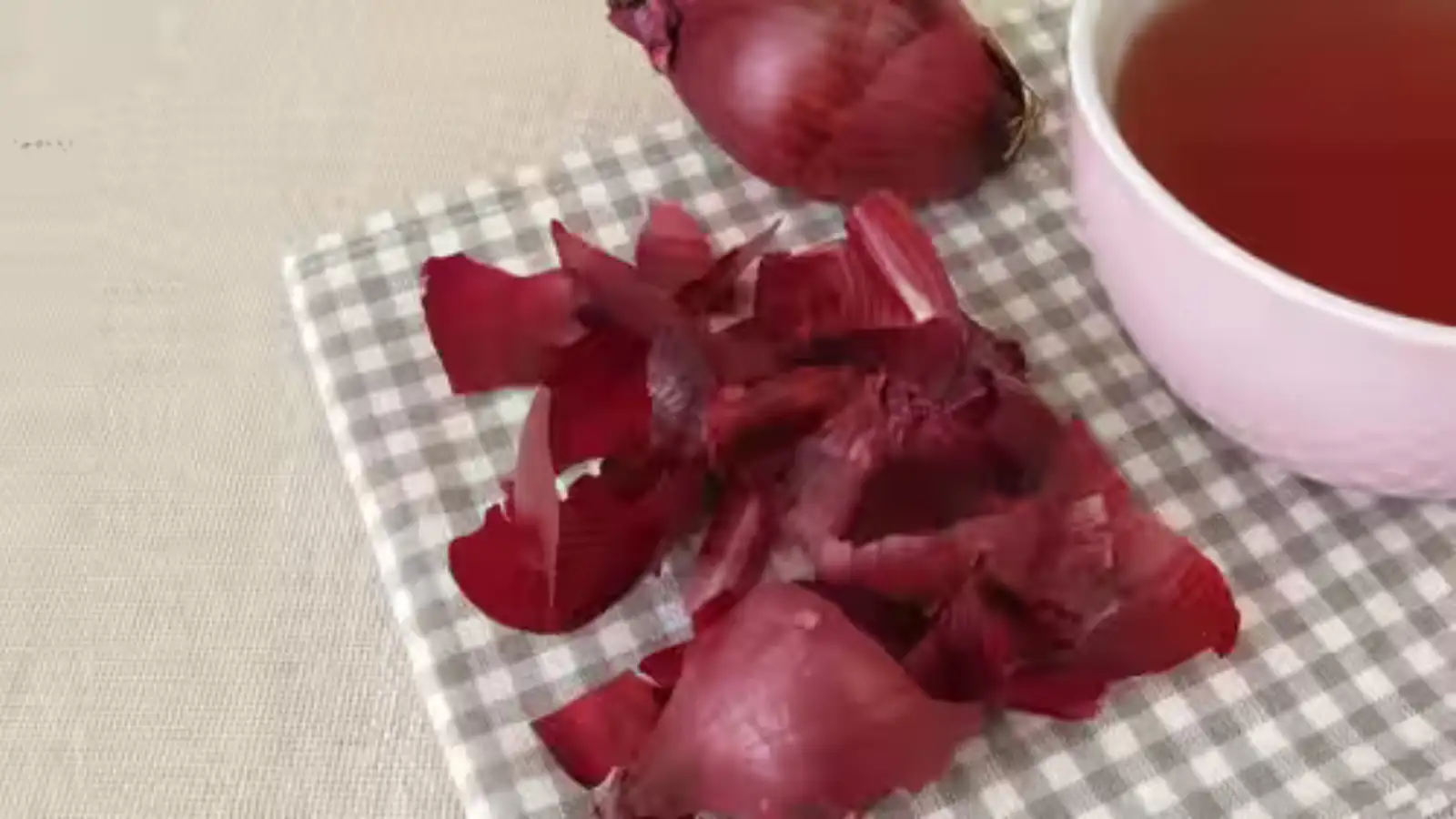
Made using nothing more than dried onion peels and water, this eco-friendly fertiliser is rich in minerals that support stronger roots, greener leaves and healthier plant growth. Here's how you can prepare and use it in your home garden.
Why Onion Peels Are a Natural Fertiliser for Plants
Onion peels may look like waste, but they are packed with nutrients that plants need to thrive. As the peels soak in water, these minerals are released into the liquid, creating a nutrient-rich fertiliser.
Some of the key nutrients found in onion peels include:
These essential minerals help improve soil quality, encourage robust root growth and support better nutrient absorption. Stronger roots allow plants to develop healthier foliage, produce more flowers and increase the yield of vegetables and herbs.
How to Make Homemade Onion Peel Fertiliser
Preparing onion peel fertiliser requires only a few basic ingredients and takes very little effort.
What You'll Need
Step-by-Step Method
During this time, the nutrients slowly infuse into the water. Once ready, the liquid usually changes to a reddish-brown or deep yellow colour, indicating that the fertiliser is prepared for use.
Filter the Liquid Before Using It
After the soaking process is complete, strain the mixture through a fine sieve or muslin cloth.
The filtered liquid becomes your homemade fertiliser. Rather than discarding the remaining onion peels, add them to your compost bin, where they will continue enriching your compost with valuable organic matter.
Always Dilute Before Applying to Plants
The concentrated onion peel extract should never be applied directly to plants.
Mix one part of the onion peel liquid with one or two parts clean water before watering. Diluting the solution ensures that the nutrients are delivered gently and helps plants absorb them more effectively without overwhelming the roots.
Best Way to Use Onion Peel Fertiliser in the Garden
For maximum benefit, pour the diluted solution directly around the base of the plant so that it reaches the root zone instead of the leaves.
This natural fertiliser works particularly well for:
Applying the fertiliser when the soil is slightly dry allows the roots to absorb nutrients more efficiently. Using it once every 10 to 15 days is generally enough to support healthy plant growth.
Can Onion Peel Water Help Keep Garden Pests Away?
Apart from feeding plants, onion peel water may also offer an extra layer of protection against certain garden pests.
Onions naturally contain sulphur compounds that have long been associated with discouraging some insects and fungal problems. Pour the diluted solution into a spray bottle and lightly mist the stems and leaves once a week. While it is not a replacement for proper pest management, it can be a useful natural addition to your gardening routine.
An Easy and Eco-Friendly Gardening Hack
Instead of treating onion peels as kitchen waste, turn them into a valuable resource for your garden. This simple homemade fertiliser helps recycle household waste, reduces the need for chemical fertilisers and provides plants with essential nutrients that support healthy growth.
Whether you maintain a small balcony garden or grow vegetables in your backyard, onion peel fertiliser is an affordable, sustainable and environmentally friendly way to keep your plants healthy while making the most of everyday kitchen leftovers.
Made using nothing more than dried onion peels and water, this eco-friendly fertiliser is rich in minerals that support stronger roots, greener leaves and healthier plant growth. Here's how you can prepare and use it in your home garden.
Why Onion Peels Are a Natural Fertiliser for Plants
Onion peels may look like waste, but they are packed with nutrients that plants need to thrive. As the peels soak in water, these minerals are released into the liquid, creating a nutrient-rich fertiliser.
Some of the key nutrients found in onion peels include:
- Potassium
- Calcium
- Iron
- Magnesium
- Phosphorus
These essential minerals help improve soil quality, encourage robust root growth and support better nutrient absorption. Stronger roots allow plants to develop healthier foliage, produce more flowers and increase the yield of vegetables and herbs.
How to Make Homemade Onion Peel Fertiliser
Preparing onion peel fertiliser requires only a few basic ingredients and takes very little effort.
What You'll Need
- Dried onion peels
- A plastic bucket or large container
- Clean water
Step-by-Step Method
- Collect dried onion peels for several days.
- Place them inside a bucket or large container.
- Pour enough water to completely cover the peels.
- Cover the container and keep it in a cool, shaded place.
- Leave the mixture undisturbed for around two days.
During this time, the nutrients slowly infuse into the water. Once ready, the liquid usually changes to a reddish-brown or deep yellow colour, indicating that the fertiliser is prepared for use.
Filter the Liquid Before Using It
After the soaking process is complete, strain the mixture through a fine sieve or muslin cloth.
The filtered liquid becomes your homemade fertiliser. Rather than discarding the remaining onion peels, add them to your compost bin, where they will continue enriching your compost with valuable organic matter.
You may also like
- Why your scalp is itchy, oily and flaky this monsoon, according to a dermatologist
- FSSAI Launches Food Safety Connect App: Report Unsafe or Adulterated Food with Photos in Minutes
- WhatsApp May Introduce Birthday Reminders to Help Users Never Miss Special Dates
- 7 Details That Made Taylor Swift and Travis Kelce's Wedding Unique
- Sabrina Gonzalez Pasterski: The Rising Star of Theoretical Physics
Always Dilute Before Applying to Plants
The concentrated onion peel extract should never be applied directly to plants.
Mix one part of the onion peel liquid with one or two parts clean water before watering. Diluting the solution ensures that the nutrients are delivered gently and helps plants absorb them more effectively without overwhelming the roots.
Best Way to Use Onion Peel Fertiliser in the Garden
For maximum benefit, pour the diluted solution directly around the base of the plant so that it reaches the root zone instead of the leaves.
This natural fertiliser works particularly well for:
- Tomatoes
- Chillies
- Brinjal (eggplant)
- Coriander
- Mint
Applying the fertiliser when the soil is slightly dry allows the roots to absorb nutrients more efficiently. Using it once every 10 to 15 days is generally enough to support healthy plant growth.
Can Onion Peel Water Help Keep Garden Pests Away?
Apart from feeding plants, onion peel water may also offer an extra layer of protection against certain garden pests.
Onions naturally contain sulphur compounds that have long been associated with discouraging some insects and fungal problems. Pour the diluted solution into a spray bottle and lightly mist the stems and leaves once a week. While it is not a replacement for proper pest management, it can be a useful natural addition to your gardening routine.
An Easy and Eco-Friendly Gardening Hack
Instead of treating onion peels as kitchen waste, turn them into a valuable resource for your garden. This simple homemade fertiliser helps recycle household waste, reduces the need for chemical fertilisers and provides plants with essential nutrients that support healthy growth.
Whether you maintain a small balcony garden or grow vegetables in your backyard, onion peel fertiliser is an affordable, sustainable and environmentally friendly way to keep your plants healthy while making the most of everyday kitchen leftovers.






Loving Newspoint? Download the app now
