
Busting the Only-Child Myths: What Scientific Research Actually Says About Single-Child Families

"She is an only child, so she must be spoiled," or "He will grow up lonely without siblings." For generations, these negative labels have circulated in parenting conversations, making many single-child parents carry unnecessary guilt or anxiety.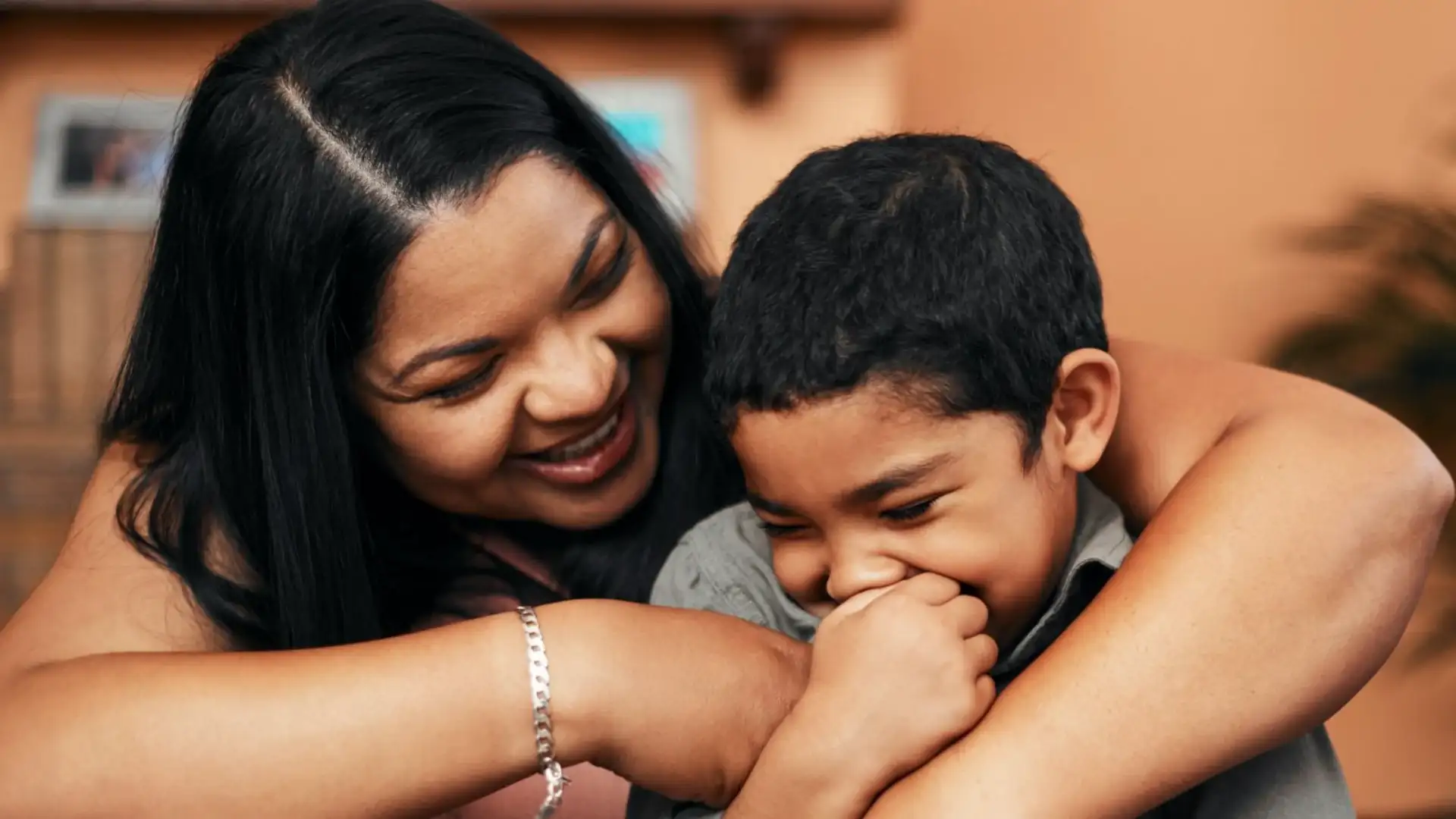
The idea that single children carry inherent flaws dates back to the late 19th century. However, modern psychological research confirms that growing up without siblings does not automatically dictate a child's personality, happiness, or social success.
The idea that single children carry inherent flaws dates back to the late 19th century. However, modern psychological research confirms that growing up without siblings does not automatically dictate a child's personality, happiness, or social success.
1. Stereotype: "Only Children Are Spoiled and Selfish"
- What Science Says: This belief gained traction in the late 1800s when early psychologists claimed that having no siblings was detrimental to development. Modern science proves this is false.
- The Evidence: Landmark reviews analyzing nearly 200 comparative studies found no meaningful evidence that only children are more selfish, spoiled, or psychologically disadvantaged than kids from larger families. Character traits like generosity and self-centeredness are shaped by parenting styles and household values, not birth order.
2. Stereotype: "Only Children Are Constantly Lonely"
- What Science Says: It is often assumed that a child without siblings suffers from perpetual isolation, but research shows this is rarely the case.
- The Evidence: A 2021 study published in
revealed that only children often report
levels of loneliness than those with siblings. Researchers attribute this to closer parent-child relationships, stronger parental emotional investment, and an early-developed ability to enjoy independent play and self-entertainment.
3. Stereotype: "Only Children Lack Social Skills"
- What Science Says: Parents frequently worry that growing up without daily sibling conflict prevents kids from learning how to share, negotiate, or make friends.
- The Evidence: According to the American Psychological Association (APA), studies show no significant overall difference in long-term social adjustment between only children and children raised with siblings. Social development takes place across many environments outside the home, including schools, playgrounds, sports teams, and neighborhood playgroups.
4. Stereotype: "Only Children Are Unnaturally Closer to Their Parents"
- What Science Says: While single-child households often foster strong parent-child bonds due to focused time and resources, this dynamic is not guaranteed simply by birth order.
- The Evidence: Family size alone does not create emotional closeness. Psychologists emphasize that warm, responsive, and attentive parenting matters far more than the number of kids in a home. An only child raised in an emotionally cold home will not magically have a strong bond, just as children in large families can still enjoy deep individual connections with their parents.
What Truly Shapes a Child
Growing up as an only child provides a distinct upbringing, but it does not predetermine a child's future trajectory. What matters most is the quality of relationships, the emotional support provided at home, and opportunities to connect with peers.Next Story