
Which City Is Known as the 'Chocolate Town' of India? Inside the Sweetest Secret of the Nilgiri Hills

When travelers plan an escape to the scenic mountains of southern India, their minds typically wander to vast rolling tea estates, misty valleys, and colonial-era toy trains. However, as thousands of tourists return from the Western Ghats every year, they consistently carry back boxes of a uniquely delicious souvenir: handcrafted, home-style chocolates. Without the backing of aggressive corporate marketing or global factory distribution, the town of Ooty has earned the popular title of India's ‘Chocolate Town,’ a sweet reputation built purely on mouth-to-mouth praise, consistent quality, and structural tradition.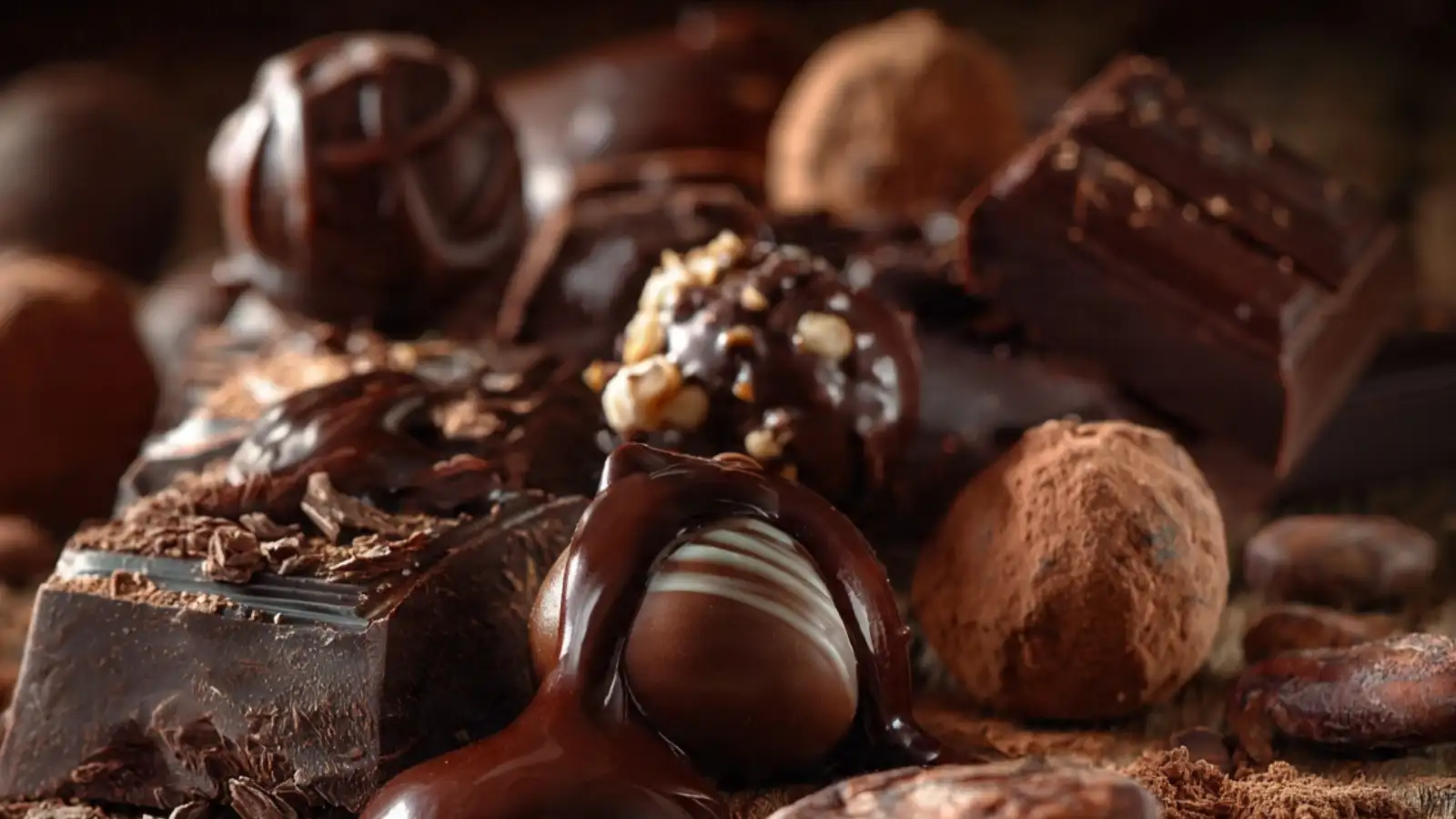
Located in the Nilgiris district of Tamil Nadu at an elevation of roughly 2,240 metres, Ooty boasts a rich cottage industry that features more than 100 small-scale, local chocolate makers. What began as a modest, close-knit home activity has blossomed into a thriving local economy. Today, rows of glass-front counters and aromatic roadside shops dot central markets like Charing Cross and Commercial Road, tempting travelers with a wide assortment of chocolate bars, truffles, fudges, and ganaches.
Ooty's title is not merely a clever tourism gimmick the town's geography offers genuine scientific advantages for chocolate making:
The cultural root of Ooty's chocolate obsession goes back much further than the modern tourism booms of the late 20th century. Heritage experts note that the culinary tradition is heavily tied to the region’s British colonial history. Serving as the summer capital of the old Madras Presidency, Ooty naturally developed a local culture that mirrored traditional European towns, where the regular consumption of freshly baked cakes, pastries, and cocoa products was popular.
Over time, domestic staff and local bakers who worked alongside British households mastered these delicate European tempering techniques. They passed down secrets of manual stone-grinding, high-percentage cocoa blending, and hand-shaping down through generations, effectively setting up a small-scale craft economy that continues to prioritize fresh milk from nearby pastures and traditional methods over automated assembly lines.
What truly sets the Ooty chocolate scene apart from generic supermarket brands is its bold willingness to innovate using fresh, locally sourced mountain ingredients. While purists can always find exceptionally rich dark and smooth milk varieties, local confectioneries frequently experiment with specialized flavor profiles.
Visitors can browse a vast array of unique concoctions, including fiery chili-infused dark chocolate, comforting ginger blends, roasted local nuts (such as cashews and almonds coated in thick truffles), fruit-and-rum fillings, and intense coffee-infused blends. The experience is made even more memorable as several shops feature open kitchens, allowing tourists to view the satisfying process of liquid chocolate being poured, spread, and hand-wrapped in real time.
Located in the Nilgiris district of Tamil Nadu at an elevation of roughly 2,240 metres, Ooty boasts a rich cottage industry that features more than 100 small-scale, local chocolate makers. What began as a modest, close-knit home activity has blossomed into a thriving local economy. Today, rows of glass-front counters and aromatic roadside shops dot central markets like Charing Cross and Commercial Road, tempting travelers with a wide assortment of chocolate bars, truffles, fudges, and ganaches.
The Science of Mountain Sweets
Ooty's title is not merely a clever tourism gimmick the town's geography offers genuine scientific advantages for chocolate making:
- Natural Climate Control: High-quality chocolate is extremely sensitive to heat and moisture. Ooty’s year-round cool, temperate mountain weather provides the near-perfect setting for cocoa processing, allowing artisans to mould, settle, and store chocolates without heavy industrial refrigeration.
- The High-Altitude Shine: The town's elevated mountain climate plays a crucial role in helping natural cocoa butter crystallize perfectly. This provides the final confections with a beautiful, glossy finish without the need for artificial texturizers, waxes, or preservatives.
- Exclusive Recipes: Because many of these small-batch family recipes are calculated specifically for the thin, cool air of the hills, several local units do not ship their products down to warmer plains, preserving an element of travel exclusivity.
A Sweet Colonial Legacy
The cultural root of Ooty's chocolate obsession goes back much further than the modern tourism booms of the late 20th century. Heritage experts note that the culinary tradition is heavily tied to the region’s British colonial history. Serving as the summer capital of the old Madras Presidency, Ooty naturally developed a local culture that mirrored traditional European towns, where the regular consumption of freshly baked cakes, pastries, and cocoa products was popular.
Over time, domestic staff and local bakers who worked alongside British households mastered these delicate European tempering techniques. They passed down secrets of manual stone-grinding, high-percentage cocoa blending, and hand-shaping down through generations, effectively setting up a small-scale craft economy that continues to prioritize fresh milk from nearby pastures and traditional methods over automated assembly lines.
Exploring Innovative Local Flavors
What truly sets the Ooty chocolate scene apart from generic supermarket brands is its bold willingness to innovate using fresh, locally sourced mountain ingredients. While purists can always find exceptionally rich dark and smooth milk varieties, local confectioneries frequently experiment with specialized flavor profiles.
Visitors can browse a vast array of unique concoctions, including fiery chili-infused dark chocolate, comforting ginger blends, roasted local nuts (such as cashews and almonds coated in thick truffles), fruit-and-rum fillings, and intense coffee-infused blends. The experience is made even more memorable as several shops feature open kitchens, allowing tourists to view the satisfying process of liquid chocolate being poured, spread, and hand-wrapped in real time.
Next Story