
Step Inside India’s Historic Wooden Palace: A Rare 400-Year-Old Architectural Treasure in South India

When architecture enthusiasts consider India's most iconic palatial landmarks, their minds typically drift to the massive sandstone fortresses of Rajasthan or the sprawling, marble-paved monuments of the Mughal era. However, hidden deep within South India is a royal residence that challenges the conventional reliance on stone and mortar. Spanning an expansive complex at the foothills of the Veli Hills in Thuckalay, Padmanabhapuram Palace holds the proud distinction of being India’s largest entirely wooden palace structure. For over four centuries, this breathtaking monument has stood as a living testament to the timeless beauty, intricate artistry, and structural brilliance of traditional Kerala-style architecture (Thachu Shastra).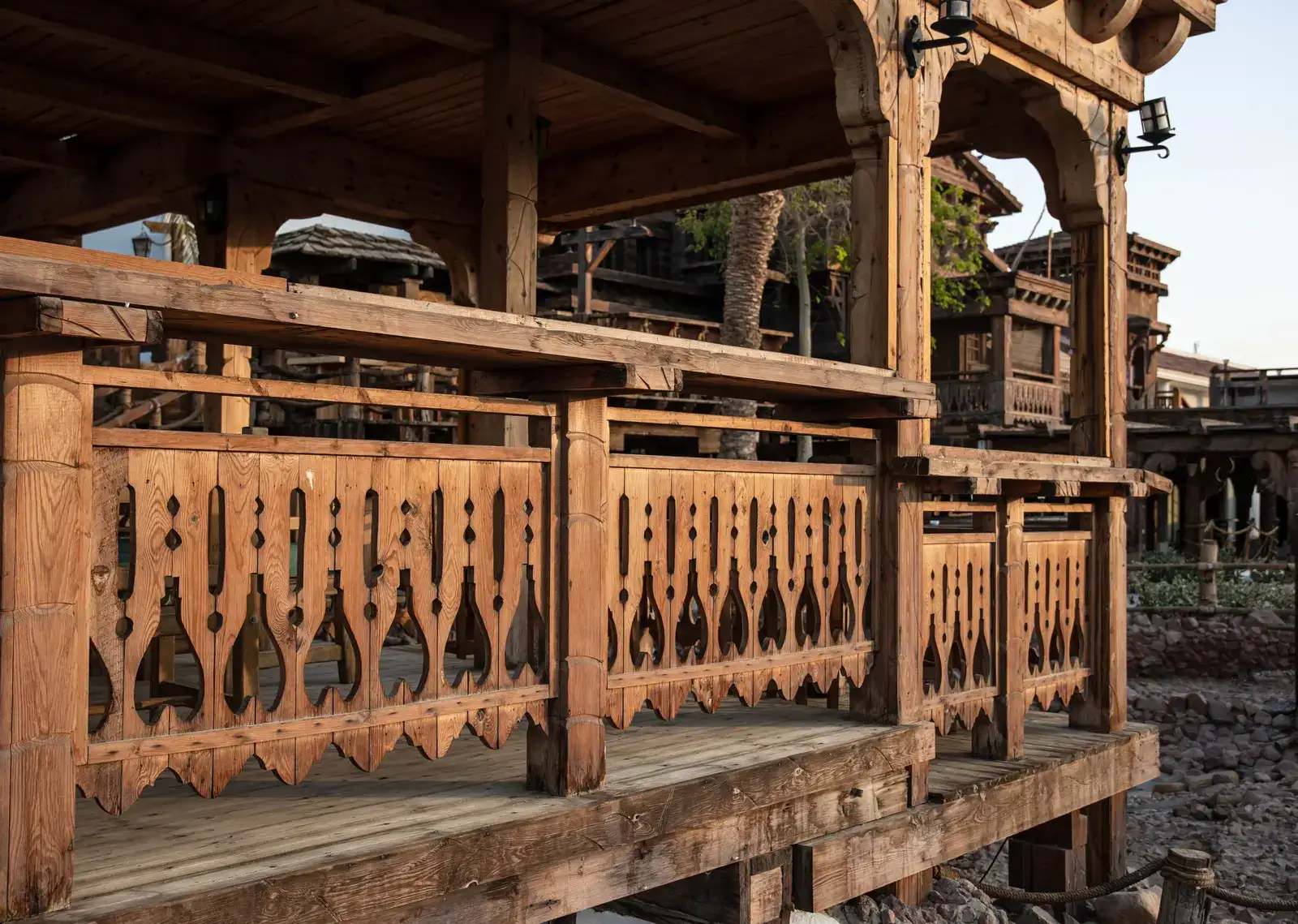
The floors are similarly unique, coated in a specialized, polished black finish made from a historic blend of burnt coconut shells, lime, egg whites, and charcoal, maintaining a mirror-like shine and a naturally cool temperature even during intense tropical summers.
A walkthrough of the palace reveals a labyrinth of interconnected wings, dark-timber corridors, and highly specialized chambers that served distinct royal functions:
While the palace is geographically situated in the Kanyakumari district of Tamil Nadu, it remains under the direct administrative custody and maintenance of the Government of Kerala's Archaeology Department making it a beautiful cross-border emblem of cultural preservation.
Every corner of the property, from its thousands of exquisite structural carvings to its massive dining hall capable of serving 2,000 guests simultaneously, tells a story of an era when luxury was defined by organic craftsmanship rather than industrial scale. For any modern traveler seeking to look beyond the typical tourist paths of South India, stepping across the thresholds of Padmanabhapuram is an essential journey into a beautifully preserved world of timber and time.
An Interlocking Masterclass in Ancient Engineering
Constructed around 1601 AD by Iravi Varma Kulasekhara Perumal, the ruler of Venad, Padmanabhapuram Palace served as the ancestral seat of power for the Travancore Kingdom before the capital was shifted to Thiruvananthapuram in the late 18th century. What makes this 400-year-old architectural marvel completely unforgettable to visitors is its structural engineering: the massive multi-story complex is assembled almost entirely from premium teakwood, rosewood, and jackwood using sophisticated tongue-and-groove interlocking joints, completely bypassing the use of metal or iron nails.The floors are similarly unique, coated in a specialized, polished black finish made from a historic blend of burnt coconut shells, lime, egg whites, and charcoal, maintaining a mirror-like shine and a naturally cool temperature even during intense tropical summers.
Exploring the Palace Layout and Hidden Wonders
A walkthrough of the palace reveals a labyrinth of interconnected wings, dark-timber corridors, and highly specialized chambers that served distinct royal functions:- The Poomukham (Entrance Hall): Features a heavily carved timber ceiling decorated with 90 distinct floral motifs, alongside a preserved, ancient medicinal wooden bed crafted from 67 pieces of unique therapeutic wood.
- The King’s Council Chamber (Mantrasala): Features windows made from polished mica shells that softly filter natural sunlight while keeping out heat, allowing ministers to deliberate in airy comfort.
- The Upparikka Malika (The King's Quarters): A multi-level tower containing the royal bedchamber, sacred fasting rooms, and a hidden, narrow escape route built into the foundation to safeguard the royal family during a sudden siege or emergency.
- The Thai Kottaram (Mother's Palace): The oldest structure within the entire compound, recognized by its inner courtyard (Nalukettu) and massive solid-carved wooden pillars.
A Cross-Border Cultural Gem for the Modern Traveler
While the palace is geographically situated in the Kanyakumari district of Tamil Nadu, it remains under the direct administrative custody and maintenance of the Government of Kerala's Archaeology Department making it a beautiful cross-border emblem of cultural preservation. Every corner of the property, from its thousands of exquisite structural carvings to its massive dining hall capable of serving 2,000 guests simultaneously, tells a story of an era when luxury was defined by organic craftsmanship rather than industrial scale. For any modern traveler seeking to look beyond the typical tourist paths of South India, stepping across the thresholds of Padmanabhapuram is an essential journey into a beautifully preserved world of timber and time.
Next Story