
Panda Population in the World: Top 7 Countries with the Largest Numbers

The panda population in the world is surprisingly concentrated in just a few countries, with wild populations almost entirely limited to China and small, carefully managed captive groups spread across selected nations. Despite being one of the most recognisable animals globally, giant pandas remain closely tied to bamboo-rich mountain forests and conservation-based zoo environments rather than widespread natural habitats.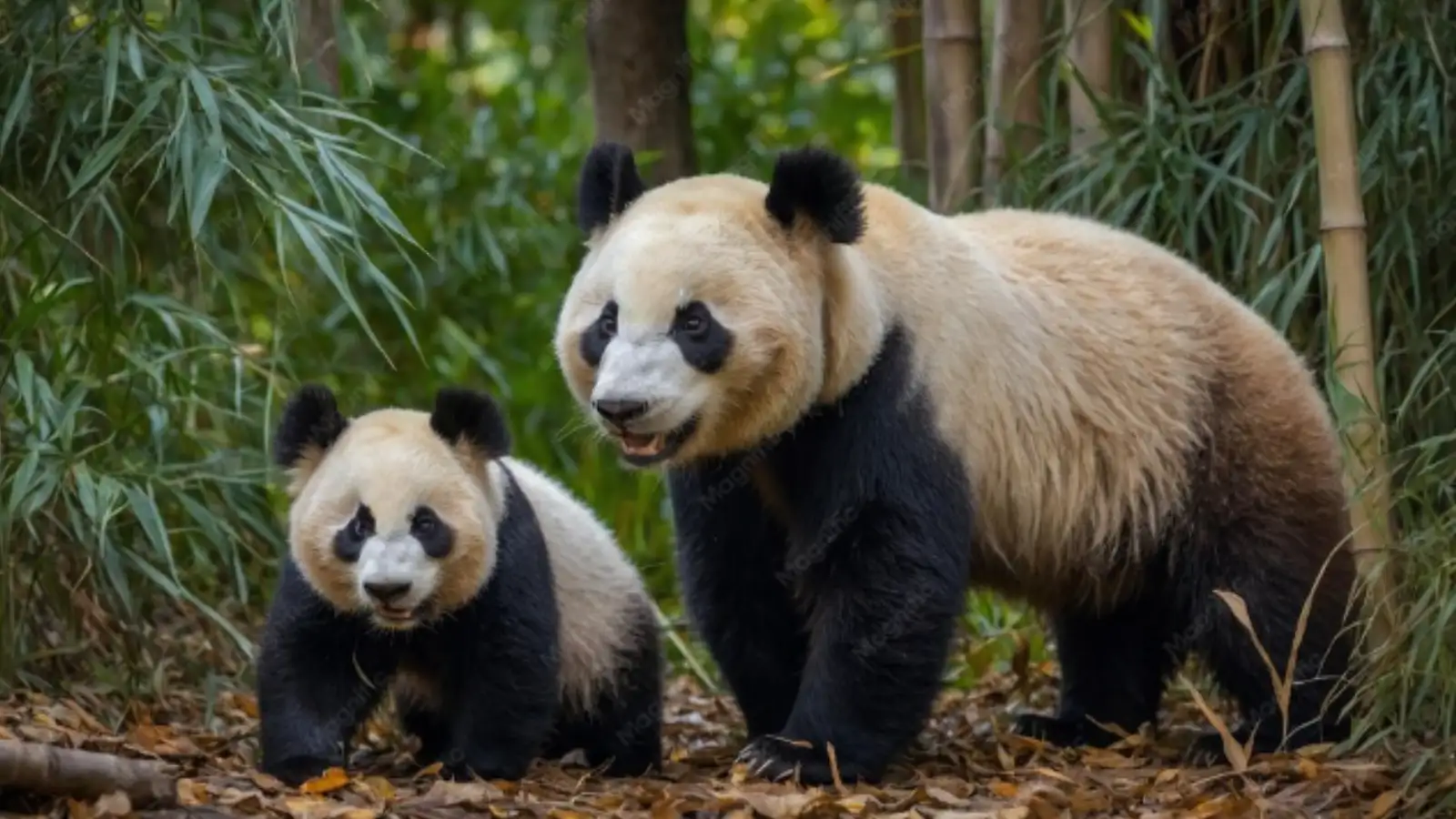
Over the years, conservation programmes, habitat restoration and international breeding partnerships have helped stabilise panda numbers. However, their global distribution still remains narrow compared to most large mammals, with only a handful of countries playing a direct role in either wild protection or captive care.
Below is a look at the top 7 countries with the largest panda population in the world, based on wild habitats and international conservation programmes.
1. China – The Natural Home of Giant Pandas
China remains the undisputed centre of the panda world. Nearly all wild giant pandas live in the mountainous regions of Sichuan, Shaanxi and Gansu, where dense bamboo forests provide their primary food source.
China has also established world-leading conservation reserves and breeding centres dedicated to protecting the species. Over time, strict habitat protection laws and forest restoration projects have helped the wild population slowly recover.
2. United States – Home to Captive Panda Diplomacy
United States does not have wild pandas , but it has played a major role in captive conservation through long-term agreements with China.
American zoos have hosted giant pandas for decades, making them iconic attractions and important subjects of veterinary research and breeding studies. These pandas are typically loaned under international conservation programmes rather than permanently relocated.
3. Japan – Strong Breeding and Public Interest
Japan has a long-standing connection with pandas through diplomatic exchanges and zoo partnerships. Facilities like Ueno Zoo and Adventure World are well known for panda care and breeding efforts.
Several cub births in Japan have attracted nationwide attention, highlighting the country’s strong public interest and expertise in captive panda management.
4. United Kingdom – Rare but Notable Panda Presence
United Kingdom has seen pandas primarily through conservation loans, most famously at Edinburgh Zoo.
Pandas are extremely rare in the UK and require highly specialised care, including controlled environments and imported bamboo supplies. While wild pandas have never existed here, the country has contributed to global awareness and conservation dialogue.
5. France – Growing Role in European Conservation Efforts
France became part of global panda conservation networks with the arrival of pandas at ZooParc de Beauval.
The birth of panda cubs in France was widely celebrated and helped boost awareness of endangered species protection. The country continues to collaborate closely with Chinese wildlife experts on panda care and research.
6. Singapore – Tropical Panda Habitat Innovation
Singapore is unique for maintaining pandas in a tropical climate using specially designed indoor habitats.
At River Wonders, climate-controlled enclosures replicate cooler mountain conditions to support panda health. The arrival of pandas and the birth of a cub significantly boosted regional conservation awareness and education efforts.
7. Thailand – Long History of Panda Conservation Partnership
Thailand has also played a visible role in panda conservation, particularly through Chiang Mai Zoo, which housed a famous panda pair for many years.
These pandas became beloved national attractions, and their births and breeding efforts were widely followed by local media. Thailand’s involvement has strengthened long-term wildlife cooperation with China.
The global panda population in the world remains highly centralised, with China protecting nearly all wild individuals while other countries contribute through captive care, breeding programmes and international partnerships. Together, these efforts continue to support one of the world’s most loved and endangered species, ensuring pandas remain a symbol of global conservation collaboration.
Over the years, conservation programmes, habitat restoration and international breeding partnerships have helped stabilise panda numbers. However, their global distribution still remains narrow compared to most large mammals, with only a handful of countries playing a direct role in either wild protection or captive care.
Below is a look at the top 7 countries with the largest panda population in the world, based on wild habitats and international conservation programmes.
1. China – The Natural Home of Giant Pandas
China remains the undisputed centre of the panda world. Nearly all wild giant pandas live in the mountainous regions of Sichuan, Shaanxi and Gansu, where dense bamboo forests provide their primary food source.
China has also established world-leading conservation reserves and breeding centres dedicated to protecting the species. Over time, strict habitat protection laws and forest restoration projects have helped the wild population slowly recover.
2. United States – Home to Captive Panda Diplomacy
United States does not have wild pandas , but it has played a major role in captive conservation through long-term agreements with China.
American zoos have hosted giant pandas for decades, making them iconic attractions and important subjects of veterinary research and breeding studies. These pandas are typically loaned under international conservation programmes rather than permanently relocated.
3. Japan – Strong Breeding and Public Interest
Japan has a long-standing connection with pandas through diplomatic exchanges and zoo partnerships. Facilities like Ueno Zoo and Adventure World are well known for panda care and breeding efforts.
Several cub births in Japan have attracted nationwide attention, highlighting the country’s strong public interest and expertise in captive panda management.
4. United Kingdom – Rare but Notable Panda Presence
United Kingdom has seen pandas primarily through conservation loans, most famously at Edinburgh Zoo.
Pandas are extremely rare in the UK and require highly specialised care, including controlled environments and imported bamboo supplies. While wild pandas have never existed here, the country has contributed to global awareness and conservation dialogue.
5. France – Growing Role in European Conservation Efforts
France became part of global panda conservation networks with the arrival of pandas at ZooParc de Beauval.
The birth of panda cubs in France was widely celebrated and helped boost awareness of endangered species protection. The country continues to collaborate closely with Chinese wildlife experts on panda care and research.
6. Singapore – Tropical Panda Habitat Innovation
Singapore is unique for maintaining pandas in a tropical climate using specially designed indoor habitats.
At River Wonders, climate-controlled enclosures replicate cooler mountain conditions to support panda health. The arrival of pandas and the birth of a cub significantly boosted regional conservation awareness and education efforts.
7. Thailand – Long History of Panda Conservation Partnership
Thailand has also played a visible role in panda conservation, particularly through Chiang Mai Zoo, which housed a famous panda pair for many years.
These pandas became beloved national attractions, and their births and breeding efforts were widely followed by local media. Thailand’s involvement has strengthened long-term wildlife cooperation with China.
The global panda population in the world remains highly centralised, with China protecting nearly all wild individuals while other countries contribute through captive care, breeding programmes and international partnerships. Together, these efforts continue to support one of the world’s most loved and endangered species, ensuring pandas remain a symbol of global conservation collaboration.
Next Story