
Plant Power: 7 Pollution-Fighting Plants You Need To Know

In the battle against pollution, nature has bestowed upon us some formidable allies: plants . These green guardians possess remarkable abilities to absorb harmful pollutants from the air, soil, and water, making them invaluable assets in our quest for environmental sustainability. From towering trees to humble houseplants, here are seven plants renowned for their prowess in purifying the air and detoxifying the environment.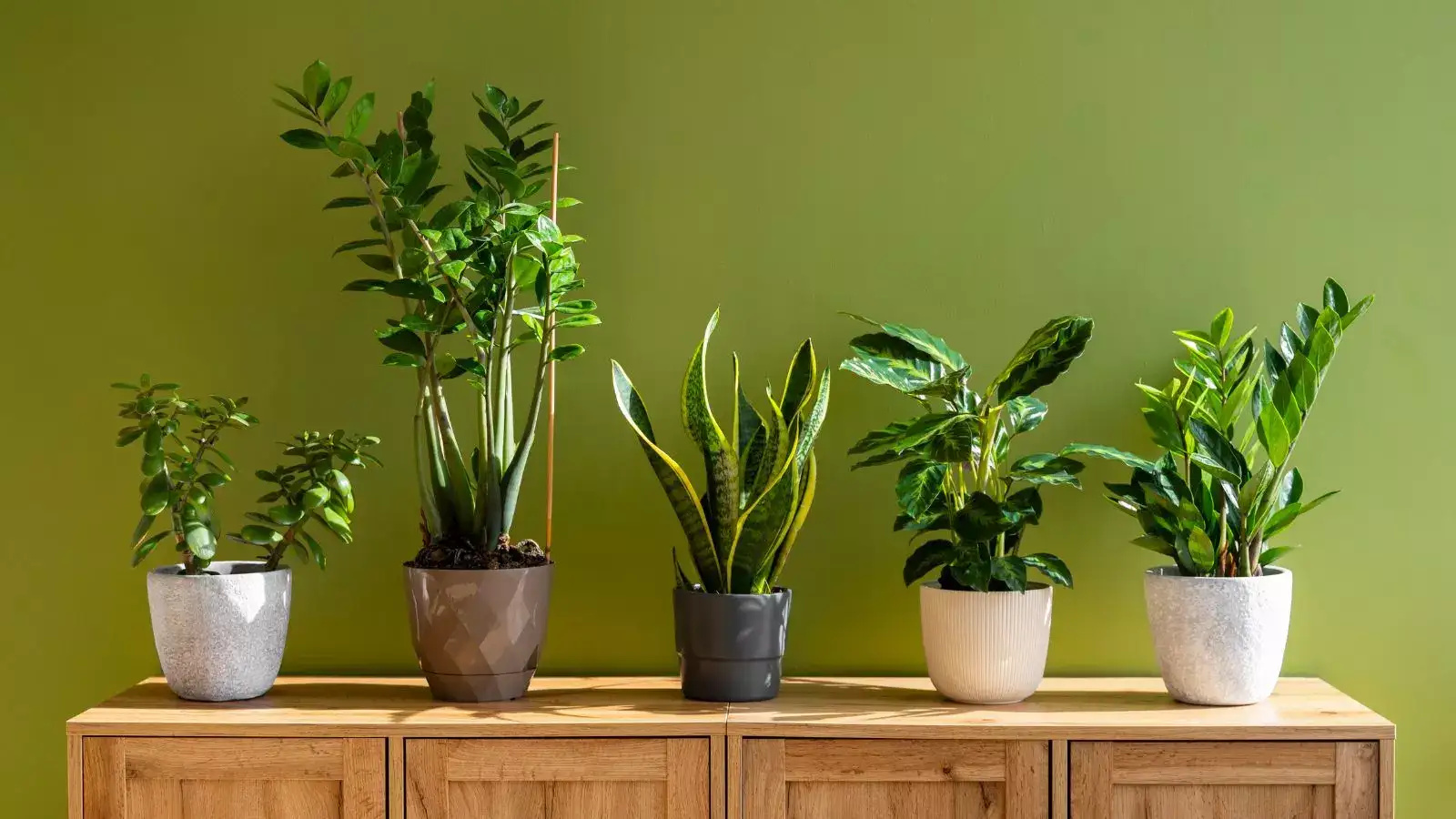
1. Spider Plant (Chlorophytum comosum)
The Spider Plant, with its long, arching leaves adorned with white stripes, is not just an aesthetic addition to your home; it’s also a powerful air purifier. Known for its ability to remove toxins like formaldehyde, carbon monoxide, and benzene from the air, this resilient plant is low-maintenance and thrives in a variety of conditions, making it perfect for indoor spaces.
2. Aloe Vera (Aloe barbadensis miller)
Renowned for its soothing gel that heals wounds and sunburns, Aloe Vera is also an excellent air purifier. This succulent plant releases oxygen at night, making it an ideal bedroom companion for improving air quality while you sleep. Additionally, Aloe Vera absorbs pollutants such as formaldehyde and benzene, commonly found in cleaning products and plastics.
3. English Ivy (Hedera helix)
English Ivy is not just a picturesque vine that adorns garden walls; it’s a potent weapon against indoor air pollution. Studies have shown that English Ivy can significantly reduce airborne mold and fecal-matter particles, making it beneficial for individuals with allergies or respiratory issues. Its dense foliage also serves as a natural air filter, trapping particulate matter and volatile organic compounds (VOCs).
4. Peace Lily (Spathiphyllum)
With its elegant white blooms and lush green foliage, the Peace Lily adds a touch of serenity to any space while simultaneously cleansing the air of pollutants. This plant excels at removing toxins such as ammonia, benzene, and formaldehyde, making it an excellent choice for improving indoor air quality. Additionally, Peace Lilies are relatively easy to care for, thriving in low-light conditions and requiring minimal maintenance.
5. Bamboo Palm (Chamaedorea seifrizii)
The Bamboo Palm, native to Central and South America, is not just a decorative houseplant; it’s a potent air purifier. This palm species excels at removing airborne pollutants such as formaldehyde, benzene, and trichloroethylene, commonly found in household products and synthetic materials. Its lush foliage and tropical aesthetic make it a popular choice for both homes and offices seeking cleaner air and a touch of greenery.
6. Areca Palm (Dypsis lutescens)
Another palm species renowned for its air-purifying properties is the Areca Palm, also known as the Butterfly Palm or Golden Cane Palm. Like its Bamboo counterpart, the Areca Palm excels at removing indoor air pollutants, including formaldehyde, xylene, and toluene. With its feathery fronds and graceful appearance, this palm species not only enhances indoor air quality but also adds a tropical ambiance to any space.
7. Money Plant (Epipremnum aureum)
The Money Plant, also known as Devil’s Ivy, is a popular choice for indoor spaces due to its resilience and air-purifying abilities. This trailing vine is highly effective at removing formaldehyde, benzene, and xylene from the air, making it a valuable asset in combating indoor air pollution. Additionally, the Money Plant is easy to propagate and requires minimal care, making it an ideal choice for novice plant enthusiasts.
Incorporating these seven plants into your indoor and outdoor spaces can significantly enhance air quality and contribute to a healthier environment. Whether you’re seeking to purify the air in your home, office, or garden, these green guardians are up to the task, effectively filtering out pollutants and toxins while adding beauty and vitality to their surroundings. By harnessing the power of nature, we can all play a part in mitigating pollution and creating a cleaner, greener future for generations to come.
1. Spider Plant (Chlorophytum comosum)
The Spider Plant, with its long, arching leaves adorned with white stripes, is not just an aesthetic addition to your home; it’s also a powerful air purifier. Known for its ability to remove toxins like formaldehyde, carbon monoxide, and benzene from the air, this resilient plant is low-maintenance and thrives in a variety of conditions, making it perfect for indoor spaces.
2. Aloe Vera (Aloe barbadensis miller)
Renowned for its soothing gel that heals wounds and sunburns, Aloe Vera is also an excellent air purifier. This succulent plant releases oxygen at night, making it an ideal bedroom companion for improving air quality while you sleep. Additionally, Aloe Vera absorbs pollutants such as formaldehyde and benzene, commonly found in cleaning products and plastics.
3. English Ivy (Hedera helix)
English Ivy is not just a picturesque vine that adorns garden walls; it’s a potent weapon against indoor air pollution. Studies have shown that English Ivy can significantly reduce airborne mold and fecal-matter particles, making it beneficial for individuals with allergies or respiratory issues. Its dense foliage also serves as a natural air filter, trapping particulate matter and volatile organic compounds (VOCs).
4. Peace Lily (Spathiphyllum)
With its elegant white blooms and lush green foliage, the Peace Lily adds a touch of serenity to any space while simultaneously cleansing the air of pollutants. This plant excels at removing toxins such as ammonia, benzene, and formaldehyde, making it an excellent choice for improving indoor air quality. Additionally, Peace Lilies are relatively easy to care for, thriving in low-light conditions and requiring minimal maintenance.
5. Bamboo Palm (Chamaedorea seifrizii)
You may also like
- Atrial Fibrillation: Millions of Indians are unaware of this heart disease
- Dog Cancer Detection: A new method of cancer detection, dogs identify it by smelling.
- Central Railway announces 246 Ganpati Special trains for Ganesh Chaturthi 2026: Check booking dates, routes and how to book tickets
- Is Back Pain After C-Section Permanent?
- How Tony Scott and Tom Cruise built the ultimate kinetic double feature
The Bamboo Palm, native to Central and South America, is not just a decorative houseplant; it’s a potent air purifier. This palm species excels at removing airborne pollutants such as formaldehyde, benzene, and trichloroethylene, commonly found in household products and synthetic materials. Its lush foliage and tropical aesthetic make it a popular choice for both homes and offices seeking cleaner air and a touch of greenery.
6. Areca Palm (Dypsis lutescens)
Another palm species renowned for its air-purifying properties is the Areca Palm, also known as the Butterfly Palm or Golden Cane Palm. Like its Bamboo counterpart, the Areca Palm excels at removing indoor air pollutants, including formaldehyde, xylene, and toluene. With its feathery fronds and graceful appearance, this palm species not only enhances indoor air quality but also adds a tropical ambiance to any space.
7. Money Plant (Epipremnum aureum)
The Money Plant, also known as Devil’s Ivy, is a popular choice for indoor spaces due to its resilience and air-purifying abilities. This trailing vine is highly effective at removing formaldehyde, benzene, and xylene from the air, making it a valuable asset in combating indoor air pollution. Additionally, the Money Plant is easy to propagate and requires minimal care, making it an ideal choice for novice plant enthusiasts.
Incorporating these seven plants into your indoor and outdoor spaces can significantly enhance air quality and contribute to a healthier environment. Whether you’re seeking to purify the air in your home, office, or garden, these green guardians are up to the task, effectively filtering out pollutants and toxins while adding beauty and vitality to their surroundings. By harnessing the power of nature, we can all play a part in mitigating pollution and creating a cleaner, greener future for generations to come.






Loving Newspoint? Download the app now
