
Best Indoor Plants That Keep Cockroaches Away From Home

Cockroaches are notorious for invading kitchens, bathrooms, and dark corners of homes. Besides being unhygienic, they can spread bacteria, trigger allergies, and worsen asthma symptoms. While pest control methods are often necessary for severe infestations, many homeowners are turning to natural cockroach repellents as a preventive measure.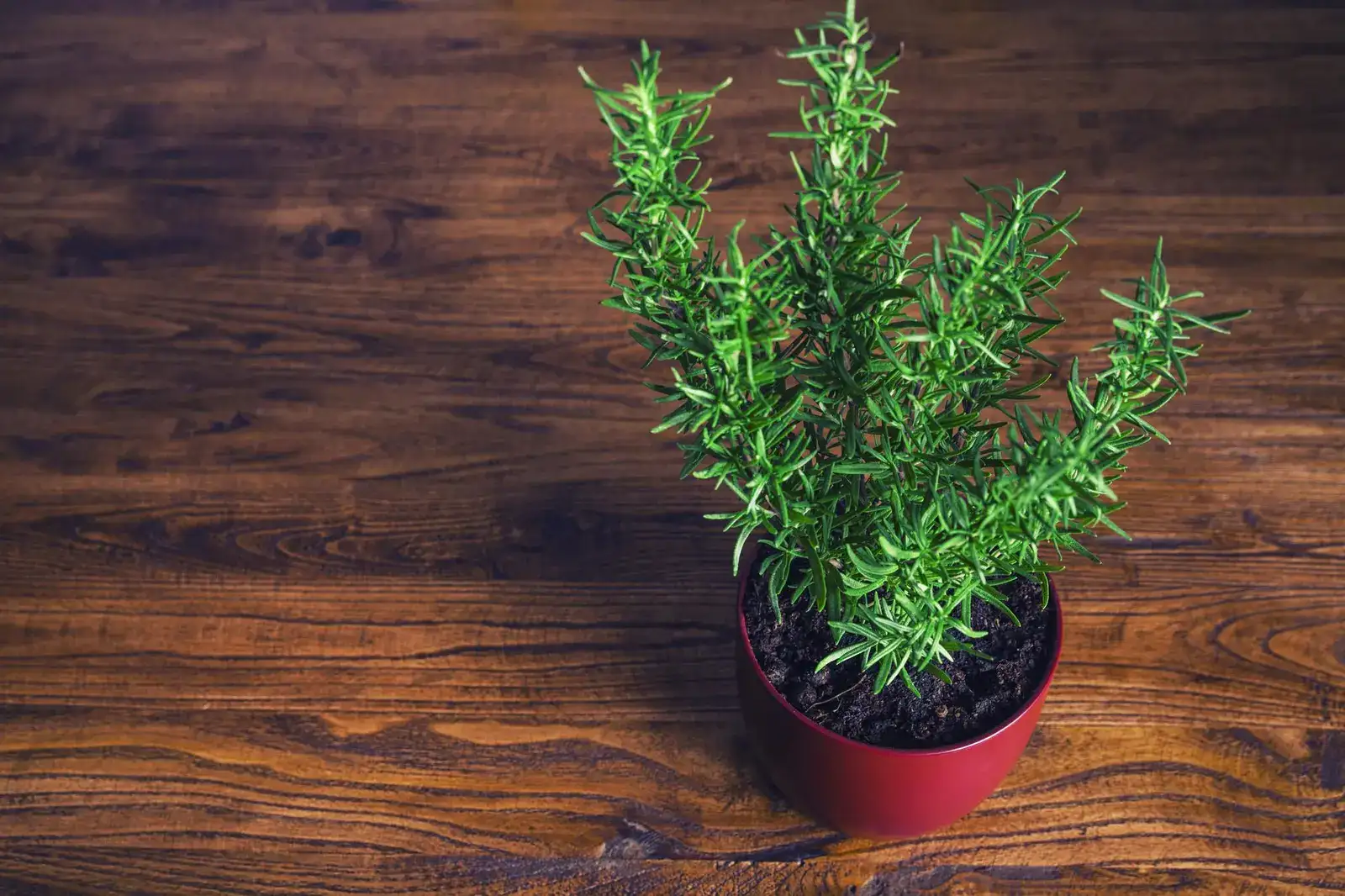
Interestingly, cockroaches are highly sensitive to strong scents. Certain indoor plants that keep cockroaches away contain aromatic compounds that these pests dislike. Although no plant can guarantee a cockroach-free home, adding these fragrant varieties to your living space may help reduce their presence while enhancing your home décor.
Research suggests that these compounds may act as natural cockroach repellents, making rosemary a useful addition near kitchen windows, balconies, and entry points. Besides pest control, rosemary is also a versatile herb used in cooking.
Also Read: 5 Eye-Catching Pink Leaf Plants for a Fresh Indoor Makeover
Studies have found that nepetalactone can trigger avoidance behaviour in cockroaches, making catnip one of the more promising indoor plants that keep cockroaches away naturally.
Growing mint indoors may help discourage cockroaches from entering certain areas of the home. Mint is also easy to maintain and can be used in teas, beverages, and cooking.
Many insects, including cockroaches, tend to avoid areas where lemongrass is present. If growing the plant is not practical, lemongrass essential oil mixed with water can be sprayed in areas where cockroach activity is common.
Apart from potentially keeping cockroaches away, lavender adds colour and elegance to balconies, entrances, and indoor spaces. Its pleasant fragrance makes it a favourite among homeowners.
Also Read: Top Lucky Plants That Can Bring Positivity Prosperity And Fresh Energy Into Your Life
Bay leaves are widely used in Indian cooking and may also help discourage cockroaches when placed near cupboards, pantries, and food storage areas.
In addition to serving as a natural cockroach repellent, eucalyptus can enhance the appearance of your home with its attractive foliage and refreshing fragrance.
Interestingly, cockroaches are highly sensitive to strong scents. Certain indoor plants that keep cockroaches away contain aromatic compounds that these pests dislike. Although no plant can guarantee a cockroach-free home, adding these fragrant varieties to your living space may help reduce their presence while enhancing your home décor.
1. Rosemary
Rosemary is one of the most popular plants known for its natural pest-repelling properties. Its strong herbal fragrance comes from compounds such as camphor and rosmarinic acid.Research suggests that these compounds may act as natural cockroach repellents, making rosemary a useful addition near kitchen windows, balconies, and entry points. Besides pest control, rosemary is also a versatile herb used in cooking.
Also Read: 5 Eye-Catching Pink Leaf Plants for a Fresh Indoor Makeover
2. Catnip
Catnip belongs to the mint family and contains a powerful compound called nepetalactone. While cats are famously attracted to this plant, cockroaches appear to react quite differently.Studies have found that nepetalactone can trigger avoidance behaviour in cockroaches, making catnip one of the more promising indoor plants that keep cockroaches away naturally.
3. Mint (Peppermint And Spearmint)
Peppermint and spearmint are well-known for their refreshing aroma. Their key compounds, menthol and menthone, produce a scent that many insects dislike.Growing mint indoors may help discourage cockroaches from entering certain areas of the home. Mint is also easy to maintain and can be used in teas, beverages, and cooking.
4. Lemongrass
Lemongrass is valued for its fresh citrus fragrance and natural insect-repelling properties. The plant contains citral and citronellal, compounds known for their strong aroma.Many insects, including cockroaches, tend to avoid areas where lemongrass is present. If growing the plant is not practical, lemongrass essential oil mixed with water can be sprayed in areas where cockroach activity is common.
5. Lavender
Lavender is often associated with relaxation and stress relief, but it may also help deter household pests. The plant contains linalool and linalyl acetate, compounds found in its fragrant oils.Apart from potentially keeping cockroaches away, lavender adds colour and elegance to balconies, entrances, and indoor spaces. Its pleasant fragrance makes it a favourite among homeowners.
Also Read: Top Lucky Plants That Can Bring Positivity Prosperity And Fresh Energy Into Your Life
6. Bay Laurel (Bay Leaf Plant)
Bay leaves, commonly known as Tez Patta, have been used traditionally as a natural cockroach repellent . The plant contains eucalyptol and cineole, compounds responsible for its pungent aroma.Bay leaves are widely used in Indian cooking and may also help discourage cockroaches when placed near cupboards, pantries, and food storage areas.
7. Eucalyptus
Eucalyptus is recognised for its refreshing, camphor-like scent. The plant contains eucalyptol, a compound that has shown insect-repelling properties in various studies.In addition to serving as a natural cockroach repellent, eucalyptus can enhance the appearance of your home with its attractive foliage and refreshing fragrance.
Other Effective Ways To Prevent Cockroaches
While these plants may help reduce cockroach activity, they work best as part of a broader pest prevention strategy. For long-term results, homeowners should also:- Maintain good sanitation
- Seal cracks and gaps in walls
- Remove food crumbs and waste promptly
- Fix leaking pipes and moisture issues
- Keep storage areas clean and organised
Next Story