
Pomegranate Juice vs Eating Pomegranate: Which One Is More Beneficial?

Pomegranate is often praised as a “superfruit,” packed with antioxidants, vitamins, and plant compounds that support overall health. But when it comes to consuming it, a common question arises, should you drink pomegranate juice or eat the seeds directly? While both come from the same fruit, they don’t offer exactly the same benefits.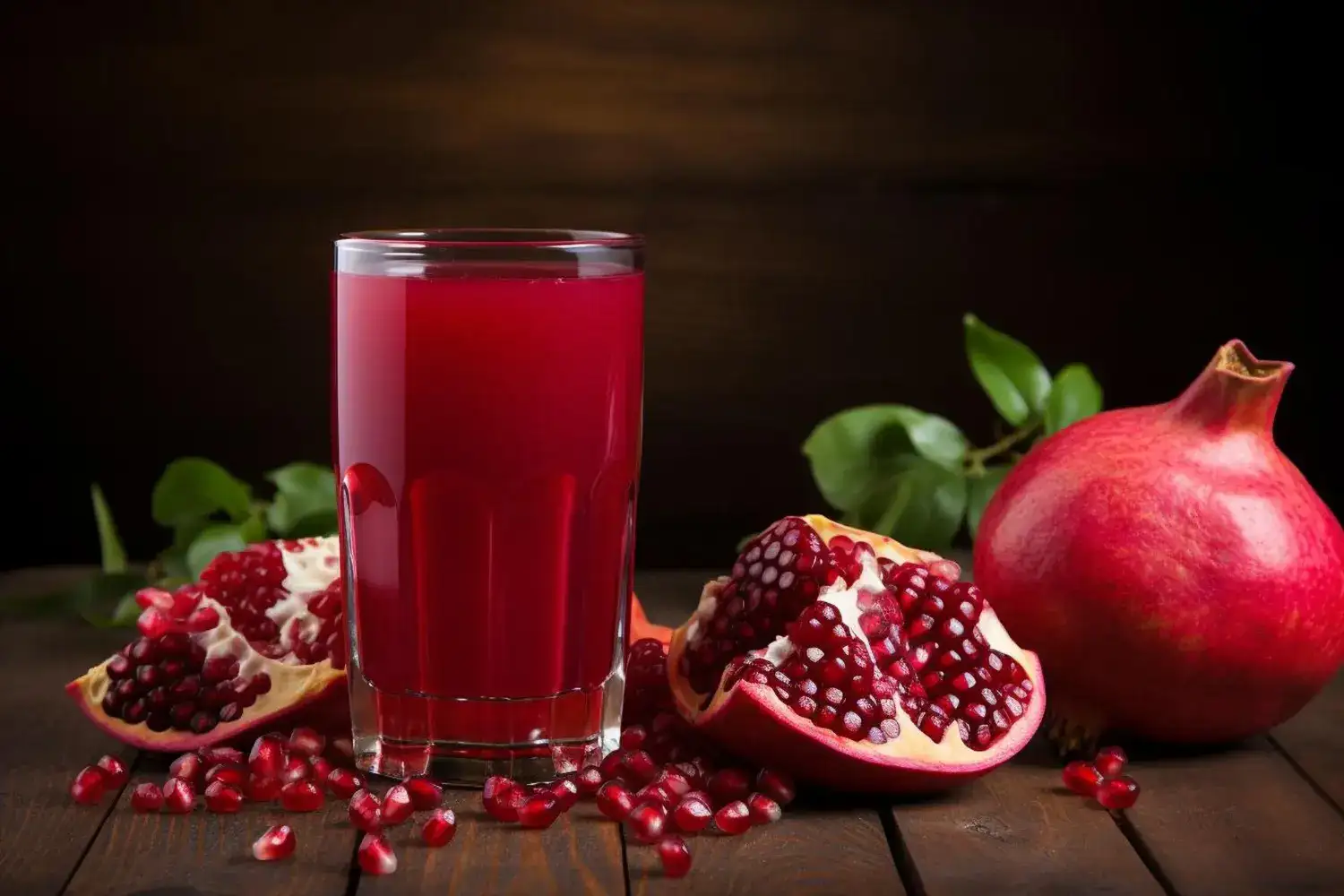
Nutritional Difference: Whole Fruit vs Juice
Eating whole pomegranate gives you the juicy red arils along with their fiber-rich seed coats. This fiber slows digestion and helps you feel full for longer. It also supports gut health and can help maintain steady energy levels.
Pomegranate juice, on the other hand, is made by extracting the liquid from the fruit. It still contains antioxidants and key nutrients like vitamin C and polyphenols, but most of the fiber is removed during juicing.
Why Eating Pomegranate Has an Edge
When you eat the fruit as a whole, you get a more complete nutritional package:
Benefits of Pomegranate Juice
Despite the lack of fiber, pomegranate juice still has strong benefits:
Which One Is Better?
There is no strict “winner,” as both forms are beneficial in different ways. The choice depends on your needs:
Both pomegranate juice and whole pomegranate are healthy additions to your diet. But if you’re aiming for overall nutritional balance and long-term benefits, eating the fruit in its natural form generally offers a slight advantage. Juice can still be a great occasional option, especially when you need something quick and refreshing.
Nutritional Difference: Whole Fruit vs Juice
Eating whole pomegranate gives you the juicy red arils along with their fiber-rich seed coats. This fiber slows digestion and helps you feel full for longer. It also supports gut health and can help maintain steady energy levels. Pomegranate juice, on the other hand, is made by extracting the liquid from the fruit. It still contains antioxidants and key nutrients like vitamin C and polyphenols, but most of the fiber is removed during juicing.
You may also like
- Making connections one pedal at a time: Is ultracyling the new golf?
- Who is Atiqa Mir? 11-year-old who became only the third driver in series history to sweep qualifying, heats and finals in Greece
- Why Did Krishna Worship Shiva Despite Being God Himself?
- Adaptogens for Female Hormones: Can They Really Help?
- He-Man and the Masters of the Universe Review | Struggles to find its power
Why Eating Pomegranate Has an Edge
When you eat the fruit as a whole, you get a more complete nutritional package: - Higher fiber content supports digestion and satiety
- Natural sugars are absorbed more slowly
- Better for weight management due to increased fullness
- More balanced impact on blood sugar levels
Benefits of Pomegranate Juice
Despite the lack of fiber, pomegranate juice still has strong benefits: - Rich in antioxidants that help fight oxidative stress
- Convenient and easy to consume
- Can be beneficial for hydration and quick nutrient intake
- May support heart health due to polyphenol content
Which One Is Better?
There is no strict “winner,” as both forms are beneficial in different ways. The choice depends on your needs: - If you want better digestion, fullness, and balanced nutrition - eating whole pomegranate is better
- If you want convenience and a quick antioxidant boost - pomegranate juice works well
Both pomegranate juice and whole pomegranate are healthy additions to your diet. But if you’re aiming for overall nutritional balance and long-term benefits, eating the fruit in its natural form generally offers a slight advantage. Juice can still be a great occasional option, especially when you need something quick and refreshing.






More from our partners


Loving Newspoint? Download the app now
