
Potato Juice for Skin Pigmentation: Easy DIY Face Mask for Clearer, Brighter Skin

Potato juice for skin pigmentation has become a popular home remedy among people looking for natural ways to reduce dark spots, uneven skin tone, and mild discolouration. While there are several skincare products and treatments available today, many prefer simple kitchen ingredients that are gentle on the skin and easy to use. One such ingredient is the humble potato, which has long been associated with skincare benefits. Here’s everything you need to know about using potato juice for pigmentation, along with an easy DIY face mask recipe.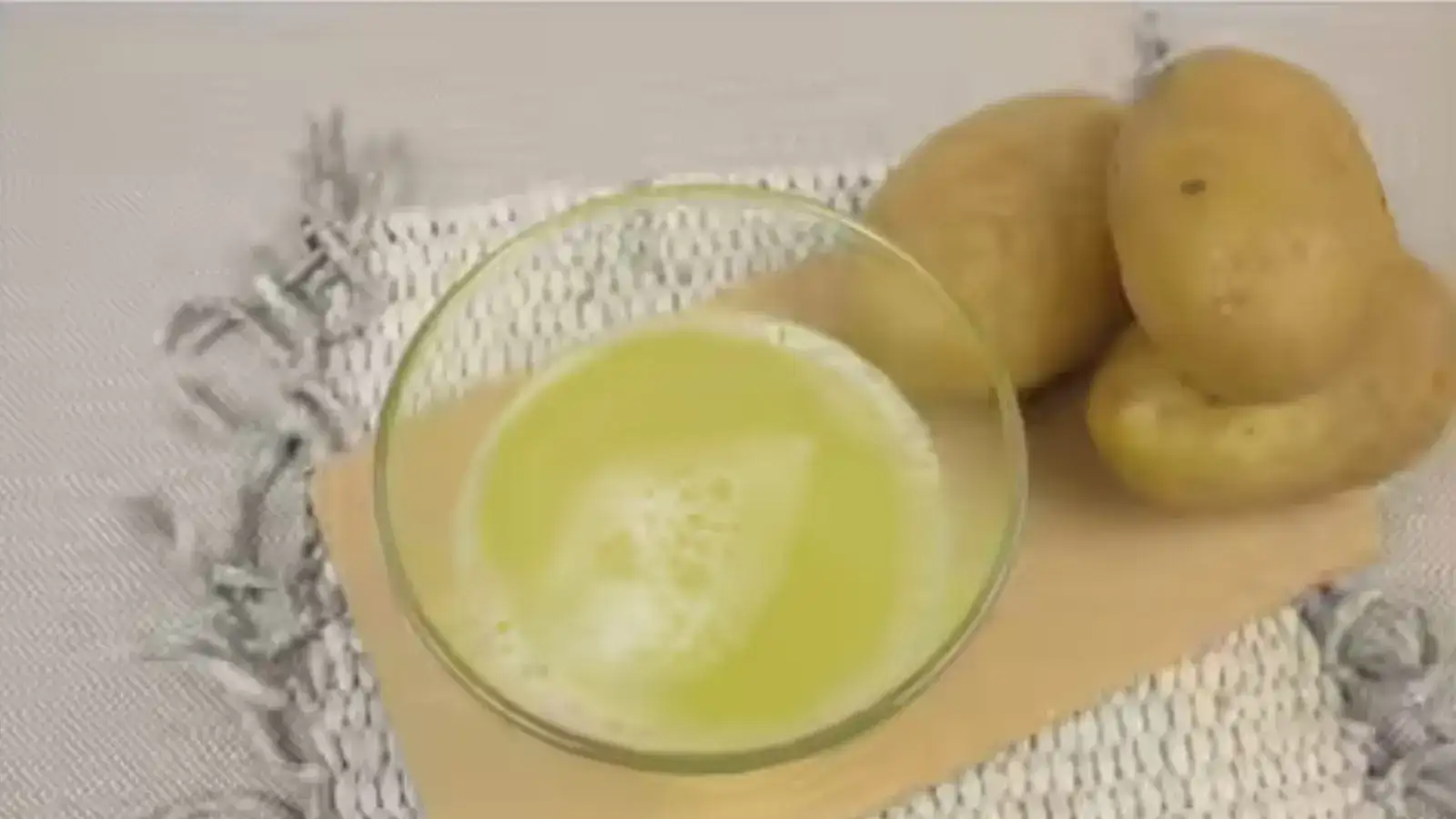
Can Potato Juice Help Reduce Skin Pigmentation?
Skin pigmentation can occur due to sun exposure, hormonal changes, acne marks, ageing, or other skin conditions. This often results in dark patches, melasma, or an uneven complexion.
Potato juice is commonly used as a natural skincare remedy because it contains an enzyme called catecholase, which is believed to have mild skin-brightening properties. Many people use potato-based treatments to help improve the appearance of pigmentation and dull skin.
Another advantage of potato juice is that it is generally gentle on the skin, making it suitable for people with sensitive skin types when used appropriately.
What Does Science Say About Potato Juice for Pigmentation?
Although potato juice is widely used in home remedies, it is important to understand its limitations.
Currently, there is no strong scientific evidence proving that applying raw potato juice can effectively lighten pigmentation or treat hyperpigmentation. While anecdotal experiences suggest that it may help improve overall skin appearance, clinical studies supporting these claims remain limited.
As a result, potato juice may be more suitable for mild pigmentation concerns rather than severe or long-standing skin conditions.
DIY Potato Juice Face Mask for Pigmentation
If you would like to try this natural remedy, here is a simple face mask recipe that can be prepared in just a few minutes.
Ingredients
Method
How Often Should You Use It?
For best results, use this face mask twice a week as part of your regular skincare routine.
Why Add Glycerin to the Face Mask?
Glycerin is a popular skincare ingredient known for its moisturising properties. It helps attract and retain moisture, keeping the skin hydrated and soft.
When combined with potato juice, glycerin may help improve skin texture, support elasticity, and reduce dryness. Regular use can leave the skin looking smoother and healthier.
Other Skin Benefits of Potato
Potatoes are not only used for pigmentation concerns. Many people also place chilled potato slices over their eyes to reduce puffiness and improve the appearance of tired-looking under-eye areas.
This simple trick is often used as a quick home remedy for refreshing the skin around the eyes.
Important Precautions Before Using Potato Juice on the Face
Before trying any DIY skincare treatment, keep the following safety tips in mind:
Potato juice can be a gentle and affordable addition to your skincare routine if you're looking for natural ways to manage mild pigmentation concerns. While many people swear by its skin-brightening benefits, scientific evidence supporting its effectiveness remains limited. Consistent skincare, sun protection, and professional guidance remain the most reliable approaches for treating stubborn pigmentation and achieving an even-looking complexion.
Can Potato Juice Help Reduce Skin Pigmentation?
Skin pigmentation can occur due to sun exposure, hormonal changes, acne marks, ageing, or other skin conditions. This often results in dark patches, melasma, or an uneven complexion.
Potato juice is commonly used as a natural skincare remedy because it contains an enzyme called catecholase, which is believed to have mild skin-brightening properties. Many people use potato-based treatments to help improve the appearance of pigmentation and dull skin.
Another advantage of potato juice is that it is generally gentle on the skin, making it suitable for people with sensitive skin types when used appropriately.
What Does Science Say About Potato Juice for Pigmentation?
Although potato juice is widely used in home remedies, it is important to understand its limitations.
Currently, there is no strong scientific evidence proving that applying raw potato juice can effectively lighten pigmentation or treat hyperpigmentation. While anecdotal experiences suggest that it may help improve overall skin appearance, clinical studies supporting these claims remain limited.
As a result, potato juice may be more suitable for mild pigmentation concerns rather than severe or long-standing skin conditions.
DIY Potato Juice Face Mask for Pigmentation
If you would like to try this natural remedy, here is a simple face mask recipe that can be prepared in just a few minutes.
Ingredients
- 1 fresh potato
- 3 to 4 drops of glycerin
Method
- Wash and grate the potato.
- Extract the juice or use the grated potato directly.
- Add three to four drops of glycerin.
- Mix well until combined.
- Apply the mixture evenly across the face and neck.
- Leave it on for 15 to 20 minutes.
- Rinse thoroughly with water.
- Pat the skin dry and follow up with a moisturiser.
How Often Should You Use It?
For best results, use this face mask twice a week as part of your regular skincare routine.
Why Add Glycerin to the Face Mask?
Glycerin is a popular skincare ingredient known for its moisturising properties. It helps attract and retain moisture, keeping the skin hydrated and soft.
When combined with potato juice, glycerin may help improve skin texture, support elasticity, and reduce dryness. Regular use can leave the skin looking smoother and healthier.
Other Skin Benefits of Potato
Potatoes are not only used for pigmentation concerns. Many people also place chilled potato slices over their eyes to reduce puffiness and improve the appearance of tired-looking under-eye areas.
This simple trick is often used as a quick home remedy for refreshing the skin around the eyes.
Important Precautions Before Using Potato Juice on the Face
Before trying any DIY skincare treatment, keep the following safety tips in mind:
- Always perform a patch test before applying the mixture to your face.
- Stop using the remedy immediately if you experience redness, itching, burning, or irritation.
- Avoid applying the mask on broken or damaged skin.
- Consult a dermatologist if pigmentation is severe, persistent, or worsening.
- Remember that home remedies may offer gradual results and should not replace professional medical advice.
Potato juice can be a gentle and affordable addition to your skincare routine if you're looking for natural ways to manage mild pigmentation concerns. While many people swear by its skin-brightening benefits, scientific evidence supporting its effectiveness remains limited. Consistent skincare, sun protection, and professional guidance remain the most reliable approaches for treating stubborn pigmentation and achieving an even-looking complexion.
Next Story