
Psychology of Night Owls: 5 Fascinating Traits of People Who Sleep Late

Society has long operated on a schedule built around the early riser, traditionally associating morning alertness with discipline, productivity, and success. However, a significant portion of the global population naturally functions on the opposite end of the spectrum, finding their peak focus and energy long after the sun has set. For decades, these natural night owls were often unfairly dismissed as lazy or undisciplined.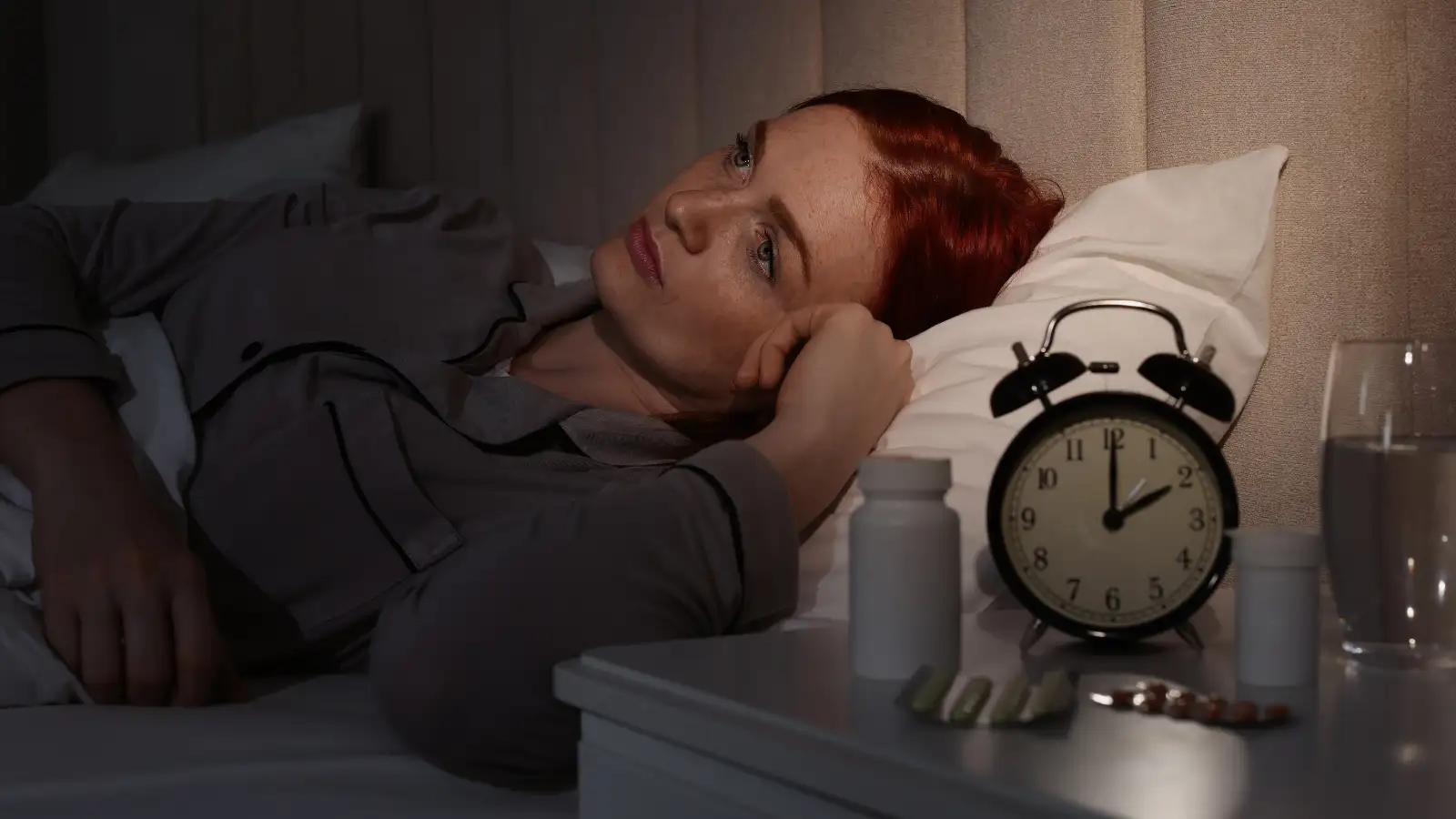
Today, modern sleep science and cognitive psychology are rewriting this narrative, revealing that a person's sleep-wake cycle - or chronotype is deeply intertwined with their distinct personality structure. Choosing to stay awake during the quiet, solitary hours of the night provides a unique mental space that fundamentally alters how the brain processes information, fosters ideas, and manages emotions.
This uninterrupted solitude allows the brain to slip into a state of divergent thinking, enabling it to make unconventional, highly original connections between seemingly unrelated concepts. Many night owls report that their most innovative artistic breakthroughs and analytical solutions occur during these midnight hours, driven by a natural biological surge in evening alertness.
While this high level of self-reflection can foster deep self-awareness and emotional maturity, it acts as a double-edged sword. When introspection is combined with physical exhaustion, it can easily morph into maladaptive rumination - a destructive mental loop where the mind continuously replays past mistakes, worries about the future, and blows minor problems out of proportion.
This chronic state of mild sleep deprivation takes a severe toll on the brain's prefrontal cortex, the region responsible for executive functioning. Over time, individuals who sleep late may notice a steady decline in their decision-making capacity, manifesting as increased impulsivity, difficulty weighing long-term consequences, and severe mental fatigue when faced with complex choices during the day.
Ensuring that their bedroom remains completely dark and device-free, setting aside a dedicated wind-down hour to prevent late-night overthinking, and maintaining a consistent wake-up time can help night owls anchor their internal clocks. By respecting their biological design while setting protective boundaries, midnight thinkers can harness their exceptional creative gifts without sacrificing their emotional peace.
Today, modern sleep science and cognitive psychology are rewriting this narrative, revealing that a person's sleep-wake cycle - or chronotype is deeply intertwined with their distinct personality structure. Choosing to stay awake during the quiet, solitary hours of the night provides a unique mental space that fundamentally alters how the brain processes information, fosters ideas, and manages emotions.
The Creative Engine of the Midnight Mind
One of the most remarkable findings in the study of late sleepers is the consistent link between a delayed sleep schedule and heightened levels of creativity. When the rest of the world goes to sleep, the typical sensory overload of the daytime vanishes, leaving behind a quiet environment completely free from text notifications, work emails, and domestic distractions.This uninterrupted solitude allows the brain to slip into a state of divergent thinking, enabling it to make unconventional, highly original connections between seemingly unrelated concepts. Many night owls report that their most innovative artistic breakthroughs and analytical solutions occur during these midnight hours, driven by a natural biological surge in evening alertness.
The Power and Pitfalls of Midnight Introspection
The quiet environment of the night also serves as a powerful catalyst for deep introspection. Free from external noise, late sleepers naturally turn their attention inward, analyzing their personal experiences, future goals, and emotional states with a level of depth that is difficult to achieve during a chaotic day.You may also like
- World's oldest engraved number '0' is hidden inside this ancient temple in Gwalior, Madhya Pradesh; here's how to reach this mathematical wonder
- Sarajevo: Where flavours tell the story
- Muslims worship a form of Lord Shiva at this unique temple in Maharashtra; Here's the story behind its 800-year-old legacy
- Understanding Sexuality: The Impact of Reality TV on LGBTQIA+ Narratives
- Delhi techie returns to India after 7 years in US, says 'don't regret my decision' because...
While this high level of self-reflection can foster deep self-awareness and emotional maturity, it acts as a double-edged sword. When introspection is combined with physical exhaustion, it can easily morph into maladaptive rumination - a destructive mental loop where the mind continuously replays past mistakes, worries about the future, and blows minor problems out of proportion.
The Cognitive Toll on Decision-Making and Focus
Despite the distinct creative advantages of a late-night schedule, operating out of sync with the rest of society carries a noticeable cognitive cost. Because the modern world including corporate offices, schools, and banking systems is strictly optimized for morning hours, night owls are routinely forced to cut their sleep short to meet daytime obligations.This chronic state of mild sleep deprivation takes a severe toll on the brain's prefrontal cortex, the region responsible for executive functioning. Over time, individuals who sleep late may notice a steady decline in their decision-making capacity, manifesting as increased impulsivity, difficulty weighing long-term consequences, and severe mental fatigue when faced with complex choices during the day.
Navigating the Boundary Between Creativity and Anxiety
The psychological landscape of a night owl is ultimately defined by a delicate balance between intellectual brilliance and emotional vulnerability. The same sensitive, analytical mind that fuels original thinking is also highly susceptible to elevated baselines of anxiety and emotional distress. To protect their mental wellness without suppressing their natural creative rhythms, late sleepers must consciously practice healthy sleep hygiene.Ensuring that their bedroom remains completely dark and device-free, setting aside a dedicated wind-down hour to prevent late-night overthinking, and maintaining a consistent wake-up time can help night owls anchor their internal clocks. By respecting their biological design while setting protective boundaries, midnight thinkers can harness their exceptional creative gifts without sacrificing their emotional peace.






Loving Newspoint? Download the app now
