
The Healing Landscape: Why Destinations Like Iceland and Norway Mentally Recharge You

Many travelers who explore places like Iceland, Norway, New Zealand, Finland, and Costa Rica return with a shared sentiment: they feel fundamentally changed, emotionally restored, and mentally recharged. Modern vacations frequently promise relaxation, yet crowded attractions, bustling city centers, and rigid itineraries often leave tourists feeling drained. In contrast, specific destinations stand out for providing a deep, lingering sense of mental clarity and emotional recovery.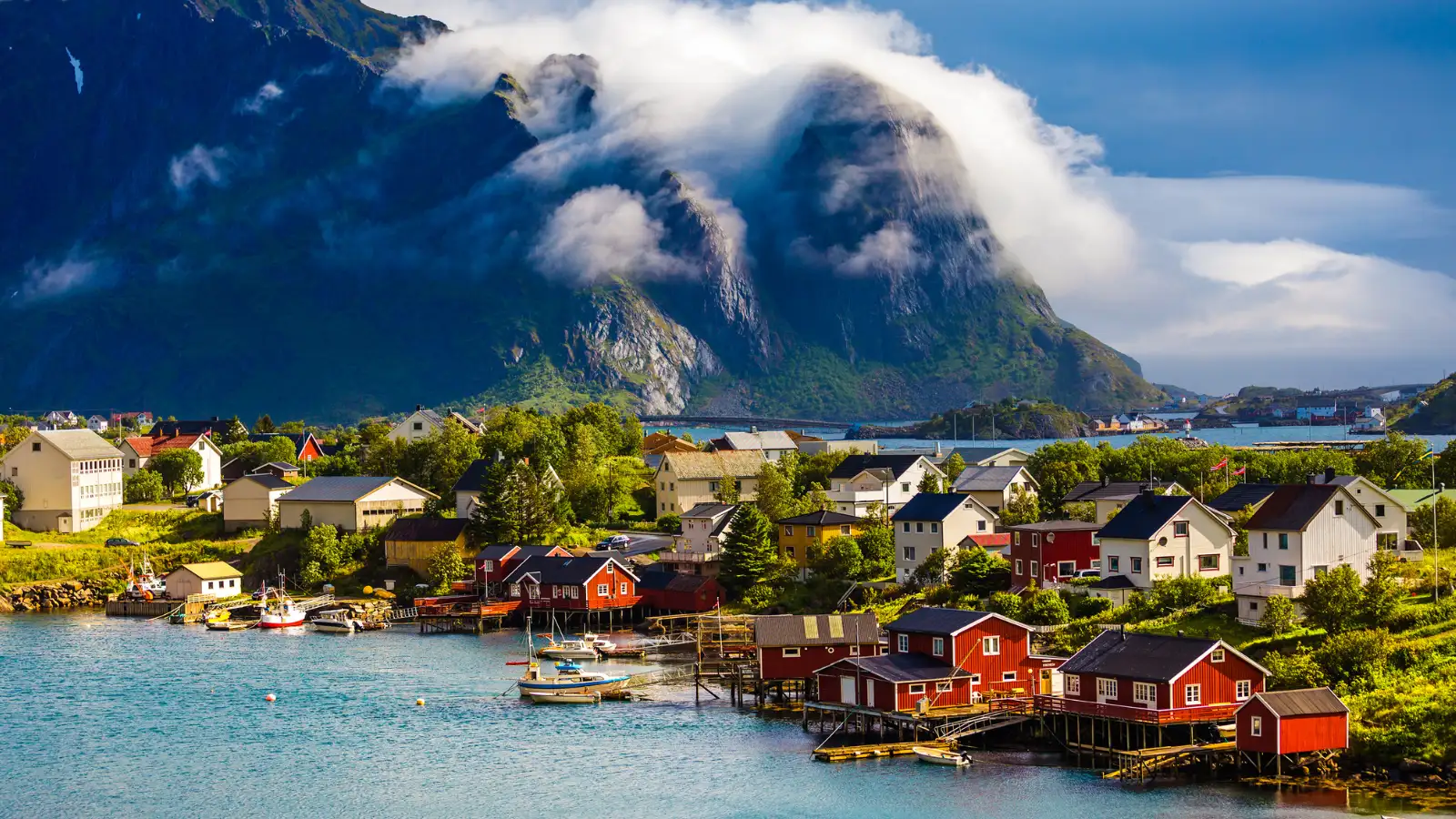
Environmental health researchers and psychologists clarify that while no single country holds a magical cure for stress, these specific destinations share key geographic and structural characteristics that facilitate mental healing. Their combination of vast, untouched landscapes, minimal crowd density, and striking visual elements creates an ideal setting for cognitive restoration.
Psychological research regularly points to the concept of Attention Restoration Theory, which suggests that natural environments allow the brain's executive attention mechanisms to rest. In Iceland, low population density paired with dramatic black sand beaches, volcanic valleys, and crashing waterfalls creates an environment where humans feel connected to something larger. A study from the University of Akureyri highlighted that time spent in Iceland's rural settings significantly improves emotional states due to the strong restorative qualities of its open coastlines and valleys.
Similarly, Norway rewards those who practice "slow travel". Cruising through quiet fjords, gazing at the Northern Lights, or hiking scenic trails gently captures attention without overwhelming sensory channels, significantly lowering mental fatigue. Meanwhile, New Zealand offers a rich mix of glaciers, turquoise lakes, and mountain ranges in regions like Fiordland National Park, helping the mind recover from constant cognitive demands.
Costa Rica demonstrates the psychological power of rich biodiversity. Packed with national parks, protected rainforests, volcanic terrains, and rare wildlife, the country's natural richness fosters what researchers call emotional recovery. Interacting with diverse ecosystems encourages mindfulness and helps travelers disconnect from urban stressors.
The common thread running through these nations is not a mystery, but rather a set of clear environmental features that modern city dwellers lack daily:
Environmental health researchers and psychologists clarify that while no single country holds a magical cure for stress, these specific destinations share key geographic and structural characteristics that facilitate mental healing. Their combination of vast, untouched landscapes, minimal crowd density, and striking visual elements creates an ideal setting for cognitive restoration.
Restorative Landscapes: Iceland, Norway, and New Zealand
Psychological research regularly points to the concept of Attention Restoration Theory, which suggests that natural environments allow the brain's executive attention mechanisms to rest. In Iceland, low population density paired with dramatic black sand beaches, volcanic valleys, and crashing waterfalls creates an environment where humans feel connected to something larger. A study from the University of Akureyri highlighted that time spent in Iceland's rural settings significantly improves emotional states due to the strong restorative qualities of its open coastlines and valleys. Similarly, Norway rewards those who practice "slow travel". Cruising through quiet fjords, gazing at the Northern Lights, or hiking scenic trails gently captures attention without overwhelming sensory channels, significantly lowering mental fatigue. Meanwhile, New Zealand offers a rich mix of glaciers, turquoise lakes, and mountain ranges in regions like Fiordland National Park, helping the mind recover from constant cognitive demands.
You may also like
- Lunar Eclipse 2026: The lunar eclipse will occur in Aug could be challenging for these Zodiac signs. Know in detail
- In 1876, a thorny tree was introduced to India to fight drought, more than a century later, Prosopis Juliflora still divides conservationists
- Chemical Pregnancy vs Delayed Period: How to Tell the Difference
- Home Loan Tips: Repay the loan early or invest the money? Find out which option is more beneficial..
- The Indian Rupee will now be accepted in this country; approval granted to carry ₹200 and ₹500 notes..
Green Spaces and Biodiversity: Finland and Costa Rica
Finland consistently ranks among the happiest countries globally, with environmental factors playing a massive role. With nearly three-quarters of the country covered by dense forests and thousands of lakes, the culture encourages year-round outdoor immersion. Psychological studies indicate that regular exposure to both "green spaces" (forests) and "blue spaces" (lakes and coastlines) effectively lowers cortisol levels and stabilizes mood.Costa Rica demonstrates the psychological power of rich biodiversity. Packed with national parks, protected rainforests, volcanic terrains, and rare wildlife, the country's natural richness fosters what researchers call emotional recovery. Interacting with diverse ecosystems encourages mindfulness and helps travelers disconnect from urban stressors.
Why These Places Work for Burnout Recovery
The common thread running through these nations is not a mystery, but rather a set of clear environmental features that modern city dwellers lack daily:- Vast, Uncrowded Landscapes: Low population density minimizes social overstimulation and noise pollution.
- Awe-Inspiring Scenery: Dramatic geographic features induce feelings of awe, which psychologists link to decreased self-focused worry and heightened well-being.
- Opportunities for Slow Travel: The infrastructure in these nations encourages mindful exploration rather than rushed, checklist-style sightseeing.






Loving Newspoint? Download the app now
