
Rabbit Behaviour Explained: What Every Owner Must Know Before Bringing a Bunny Home

Many people assume rabbits are easy, low-maintenance pets, but understanding rabbit behaviour quickly proves otherwise. Unlike dogs or cats, rabbits rely on instincts developed over millions of years as prey animals, making them cautious, observant, and selective about who they trust. From joyful jumps known as binkies to warning thumps and gentle grooming, every action has a purpose. Learning what these behaviours mean can help owners build a stronger bond while creating an environment where rabbits feel safe, comfortable, and confident.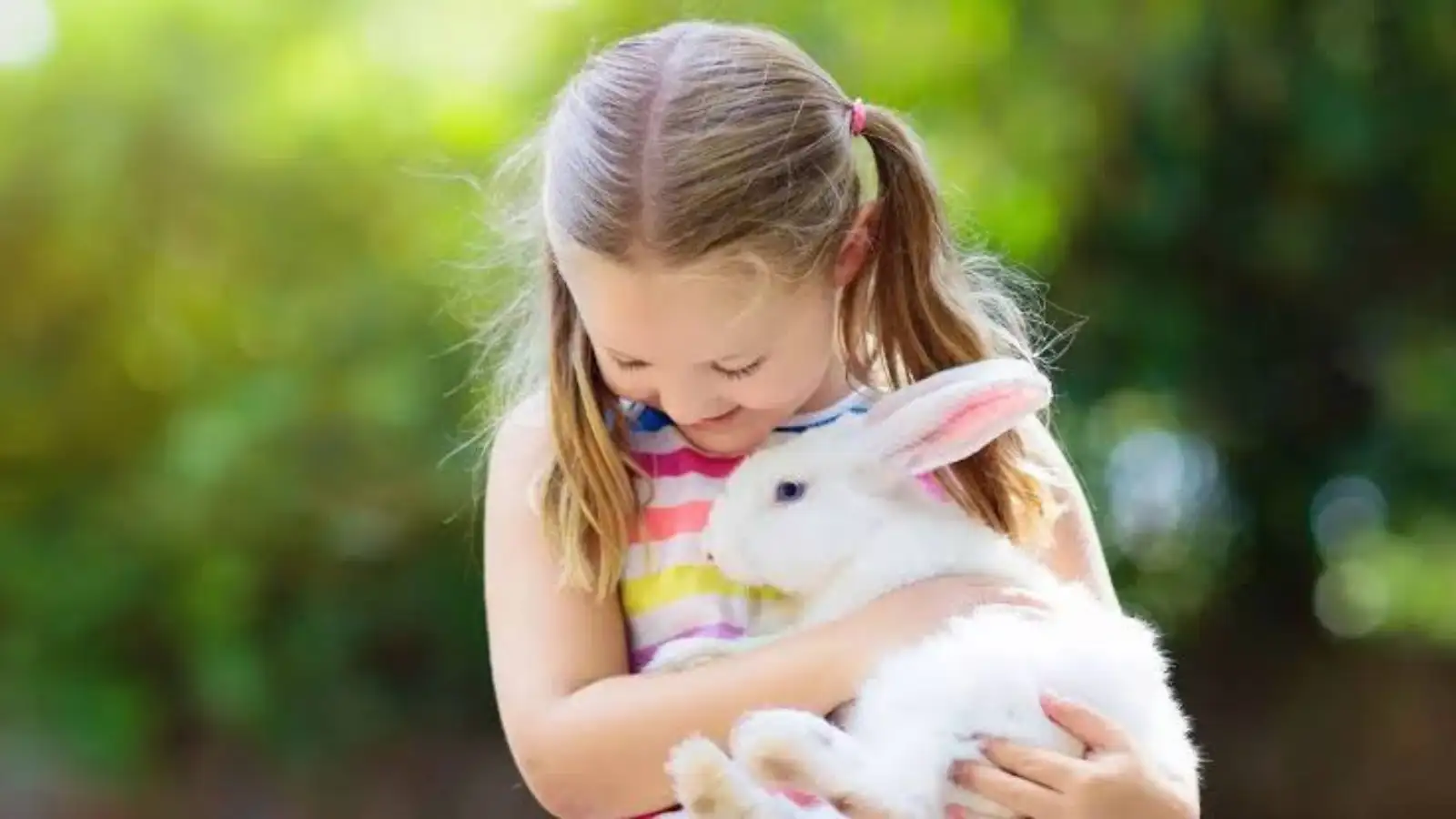
Why rabbits react differently from dogs and cats
One of the biggest misconceptions about rabbits is expecting them to behave like traditional companion animals. Their survival has always depended on avoiding predators, so they naturally remain alert to potential danger.
Their wide-set eyes allow them to monitor nearly everything happening around them, making sudden movements from above feel threatening. This explains why many rabbits freeze, run away, or become anxious when someone reaches down to pick them up unexpectedly. Instead of viewing this as stubbornness or fearfulness, it helps to understand that these reactions are deeply rooted survival instincts.
Research published in Applied Animal Behaviour Science also found that rabbits experience higher stress levels when they are handled abruptly or lifted without preparation. Allowing them to approach people on their own, especially at floor level, helps build confidence and reduces anxiety over time.
Understanding common rabbit behaviours and what they mean
Although rabbits are generally quiet animals, they communicate remarkably well through body language. Learning these signals makes it much easier to understand their emotions and needs.
Thumping signals caution or frustration
When a rabbit forcefully stamps one or both hind feet on the ground, it is sending an alarm signal. In the wild, this warns nearby rabbits about possible danger.
Inside a home, a thump may be triggered by unfamiliar noises, unexpected visitors, unusual smells, or even changes to a daily routine. Some rabbits also thump to express annoyance when something doesn't go according to their expectations.
Binkies are a sign of happiness
A binky is one of the clearest signs that a rabbit feels relaxed and secure. During a binky, the rabbit suddenly leaps into the air, twists its body, and often races around excitedly.
Animal behaviour experts consider this playful movement a strong indicator of emotional well-being. Rabbits that regularly perform binkies are generally comfortable in their surroundings and feel safe enough to express pure excitement.
Flopping shows complete trust
One behaviour that often surprises first-time owners is the dramatic flop.
A rabbit may suddenly fall onto its side and remain completely still, which can easily look alarming. However, this behaviour is actually one of the strongest signs of relaxation. A rabbit that flops has let its guard down completely and feels secure enough to rest without constantly preparing to escape.
Seeing a rabbit flop regularly is a positive sign that it trusts both its surroundings and the people around it.
Territory matters more than many owners realise
Rabbits are naturally territorial animals and use scent to mark places and objects that belong to them.
They often rub the underside of their chin on bowls, furniture, toys, or even their owner's legs. This behaviour deposits scent from glands located beneath the chin and serves as a way of claiming familiar spaces.
If your rabbit chin-marks you, it is not displaying aggression. Instead, it is treating you as part of its trusted environment and social group.
Building trust with a rabbit takes patience
Unlike many pets that quickly seek human attention, rabbits prefer to establish relationships at their own pace.
Trying to force affection by repeatedly picking them up or handling them before they feel comfortable can actually slow the bonding process. Rabbits respond far better when owners allow them to explore freely and decide when to interact.
Once a rabbit voluntarily begins sitting beside you, following you around the house, or climbing into your lap, that trust is often long-lasting because it has been formed on the rabbit's own terms.
Why grooming is more than simple affection
Among rabbits, grooming plays an important role in maintaining social relationships.
Why rabbits react differently from dogs and cats
One of the biggest misconceptions about rabbits is expecting them to behave like traditional companion animals. Their survival has always depended on avoiding predators, so they naturally remain alert to potential danger.
Their wide-set eyes allow them to monitor nearly everything happening around them, making sudden movements from above feel threatening. This explains why many rabbits freeze, run away, or become anxious when someone reaches down to pick them up unexpectedly. Instead of viewing this as stubbornness or fearfulness, it helps to understand that these reactions are deeply rooted survival instincts.
Research published in Applied Animal Behaviour Science also found that rabbits experience higher stress levels when they are handled abruptly or lifted without preparation. Allowing them to approach people on their own, especially at floor level, helps build confidence and reduces anxiety over time.
Understanding common rabbit behaviours and what they mean
Although rabbits are generally quiet animals, they communicate remarkably well through body language. Learning these signals makes it much easier to understand their emotions and needs.
Thumping signals caution or frustration
When a rabbit forcefully stamps one or both hind feet on the ground, it is sending an alarm signal. In the wild, this warns nearby rabbits about possible danger.
Inside a home, a thump may be triggered by unfamiliar noises, unexpected visitors, unusual smells, or even changes to a daily routine. Some rabbits also thump to express annoyance when something doesn't go according to their expectations.
Binkies are a sign of happiness
A binky is one of the clearest signs that a rabbit feels relaxed and secure. During a binky, the rabbit suddenly leaps into the air, twists its body, and often races around excitedly.
Animal behaviour experts consider this playful movement a strong indicator of emotional well-being. Rabbits that regularly perform binkies are generally comfortable in their surroundings and feel safe enough to express pure excitement.
Flopping shows complete trust
One behaviour that often surprises first-time owners is the dramatic flop.
A rabbit may suddenly fall onto its side and remain completely still, which can easily look alarming. However, this behaviour is actually one of the strongest signs of relaxation. A rabbit that flops has let its guard down completely and feels secure enough to rest without constantly preparing to escape.
Seeing a rabbit flop regularly is a positive sign that it trusts both its surroundings and the people around it.
Territory matters more than many owners realise
Rabbits are naturally territorial animals and use scent to mark places and objects that belong to them.
They often rub the underside of their chin on bowls, furniture, toys, or even their owner's legs. This behaviour deposits scent from glands located beneath the chin and serves as a way of claiming familiar spaces.
If your rabbit chin-marks you, it is not displaying aggression. Instead, it is treating you as part of its trusted environment and social group.
Building trust with a rabbit takes patience
Unlike many pets that quickly seek human attention, rabbits prefer to establish relationships at their own pace.
Trying to force affection by repeatedly picking them up or handling them before they feel comfortable can actually slow the bonding process. Rabbits respond far better when owners allow them to explore freely and decide when to interact.
Once a rabbit voluntarily begins sitting beside you, following you around the house, or climbing into your lap, that trust is often long-lasting because it has been formed on the rabbit's own terms.
Why grooming is more than simple affection
Among rabbits, grooming plays an important role in maintaining social relationships.
Next Story