
Natural Indian Summer Drinks That Help Beat Heat and Boost Everyday

Long before bottled beverages filled supermarket shelves, Indian households had their own refreshing solutions to fight the summer heat. Across different regions, people created cooling drinks using local ingredients, seasonal fruits, herbs, and traditional spices. These beverages were not only meant to satisfy thirst but also to support digestion, restore energy, and help the body cope with rising temperatures. From the tangy flavour of aam panna to the earthy taste of sattu sharbat, Indian summer drinks carry stories of climate adaptation and culinary heritage. Today, as people look for healthier alternatives to sugary packaged drinks, these traditional beverages are finding their place once again.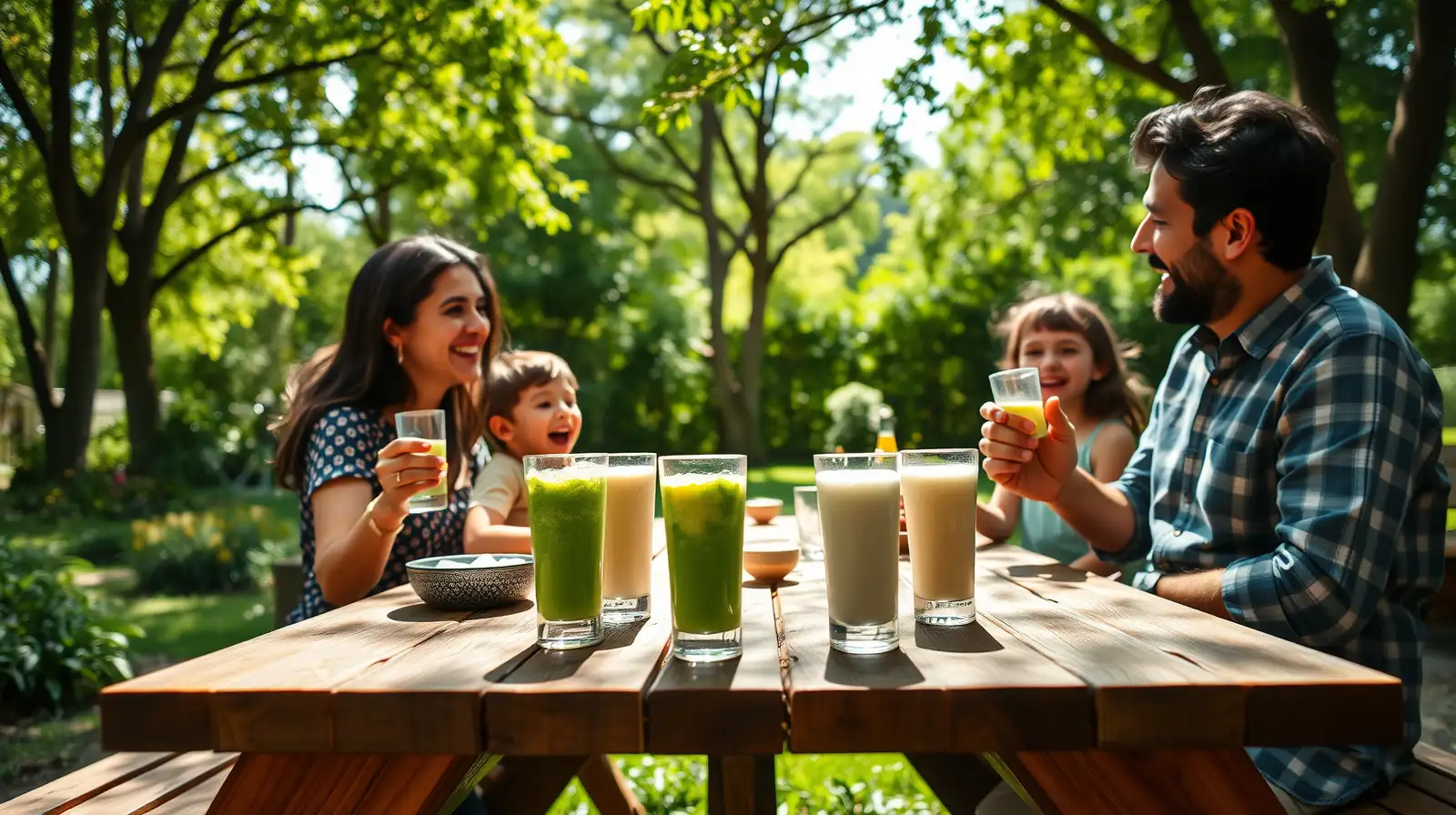
In North India, drinks such as lassi, chaas, and shikanji have been summer favourites for generations. In eastern India, bael sharbat has traditionally been valued during hot months, while southern states often rely on drinks made with coconut water, buttermilk, and seasonal fruits.
These beverages reflect an understanding of the relationship between food and weather. Communities living in warmer climates naturally developed recipes that provided hydration while supporting the body’s ability to manage heat.
Historical references suggest that cooling drinks made with fruits, herbs, and spices were also enjoyed in royal kitchens. Ingredients like rose petals, saffron, and sandalwood were used to create refreshing beverages for summer comfort.
Buttermilk, or chaas, is another essential summer beverage found in many Indian homes. Light and easy to digest, it is often served after meals and can be flavoured with roasted cumin, coriander, or mint.
Sattu sharbat has gained popularity beyond its traditional regions because of its nutritional value. Made from roasted gram flour, it contains protein and fibre, making it a filling option during hot weather.
Another lesser-known summer drink is kokum sharbat, especially popular in western coastal regions. Made from kokum fruit, it offers a sweet and tangy flavour while representing the unique food culture of coastal India.
These beverages often use simple ingredients available in local markets and kitchens. They represent a more sustainable approach to seasonal eating while supporting local farmers who grow fruits and herbs used in these recipes.
The renewed interest in traditional drinks also highlights the importance of preserving regional food knowledge that has been passed down through generations.
However, balance remains important. Drinks with added sugar should be consumed thoughtfully, especially by people managing health conditions related to blood sugar.
The beauty of Indian summer drinks lies in their simplicity. They do not require complicated preparation, expensive ingredients, or modern technology. Many recipes can be prepared within minutes while offering both flavour and refreshment.
The Cultural History of Indian Summer Drinks
Indian summer drinks have deep roots in the country’s diverse food traditions. Different regions developed their own cooling beverages based on locally available ingredients and climate conditions.In North India, drinks such as lassi, chaas, and shikanji have been summer favourites for generations. In eastern India, bael sharbat has traditionally been valued during hot months, while southern states often rely on drinks made with coconut water, buttermilk, and seasonal fruits.
These beverages reflect an understanding of the relationship between food and weather. Communities living in warmer climates naturally developed recipes that provided hydration while supporting the body’s ability to manage heat.
Historical references suggest that cooling drinks made with fruits, herbs, and spices were also enjoyed in royal kitchens. Ingredients like rose petals, saffron, and sandalwood were used to create refreshing beverages for summer comfort.
Popular Indian Summer Drinks and Their Benefits
Aam panna remains one of the most recognised Indian summer drinks. Prepared using raw mangoes, cumin, mint, and spices, it combines a refreshing taste with traditional ingredients associated with summer wellness.Buttermilk, or chaas, is another essential summer beverage found in many Indian homes. Light and easy to digest, it is often served after meals and can be flavoured with roasted cumin, coriander, or mint.
Sattu sharbat has gained popularity beyond its traditional regions because of its nutritional value. Made from roasted gram flour, it contains protein and fibre, making it a filling option during hot weather.
Another lesser-known summer drink is kokum sharbat, especially popular in western coastal regions. Made from kokum fruit, it offers a sweet and tangy flavour while representing the unique food culture of coastal India.
You may also like
- Psychology says that individuals who travel with family tend to exhibit higher emotional resilience, stronger social bonding, and better overall well-being
- SSY Update: New interest rate for Sukanya Samriddhi Yojana announced..
- Inside Emraan Hashmi's Elegant Pali Hill Residence and Impressive Property Portfolio
- Trouble mounts for PF account holders! Users will not be able to withdraw money from their PF accounts until this date..
- 8th Pay Commission: Here are 5 major updates regarding the 8th Pay Commission for central government employees..
Why Traditional Summer Drinks Are Relevant Today
Modern lifestyles have increased dependence on packaged juices, soft drinks, and artificially flavoured beverages. However, growing awareness about sugar consumption and healthy living has encouraged many people to return to traditional Indian summer drinks.These beverages often use simple ingredients available in local markets and kitchens. They represent a more sustainable approach to seasonal eating while supporting local farmers who grow fruits and herbs used in these recipes.
The renewed interest in traditional drinks also highlights the importance of preserving regional food knowledge that has been passed down through generations.
Making Indian Summer Drinks Part of Everyday Life
Including homemade summer drinks in daily routines can be a simple way to improve hydration habits. Preparing lemon water, storing homemade chaas, or keeping seasonal fruit drinks ready can reduce the temptation to choose less healthy options.However, balance remains important. Drinks with added sugar should be consumed thoughtfully, especially by people managing health conditions related to blood sugar.
The beauty of Indian summer drinks lies in their simplicity. They do not require complicated preparation, expensive ingredients, or modern technology. Many recipes can be prepared within minutes while offering both flavour and refreshment.






More from our partners


Loving Newspoint? Download the app now
