
Regional Indian Chutneys You Should Know About for Amazing Flavour

When most people outside South Asia think of Indian food, they usually picture mint sauce or mango chutney. However, authentic regional Indian chutneys offer a vast world of diverse flavours, striking textures, and deep culinary traditions. Across different states, cooks prepare these condiments using local herbs, seasonal fruits, nuts, seeds, and even toasted insects or dried seafood. Every kitchen brings its own twist to these side dishes, making them essential elements of every traditional meal. Expanding your palate beyond basic sauces introduces you to an incredible variety of spicy, tangy, and savoury condiments.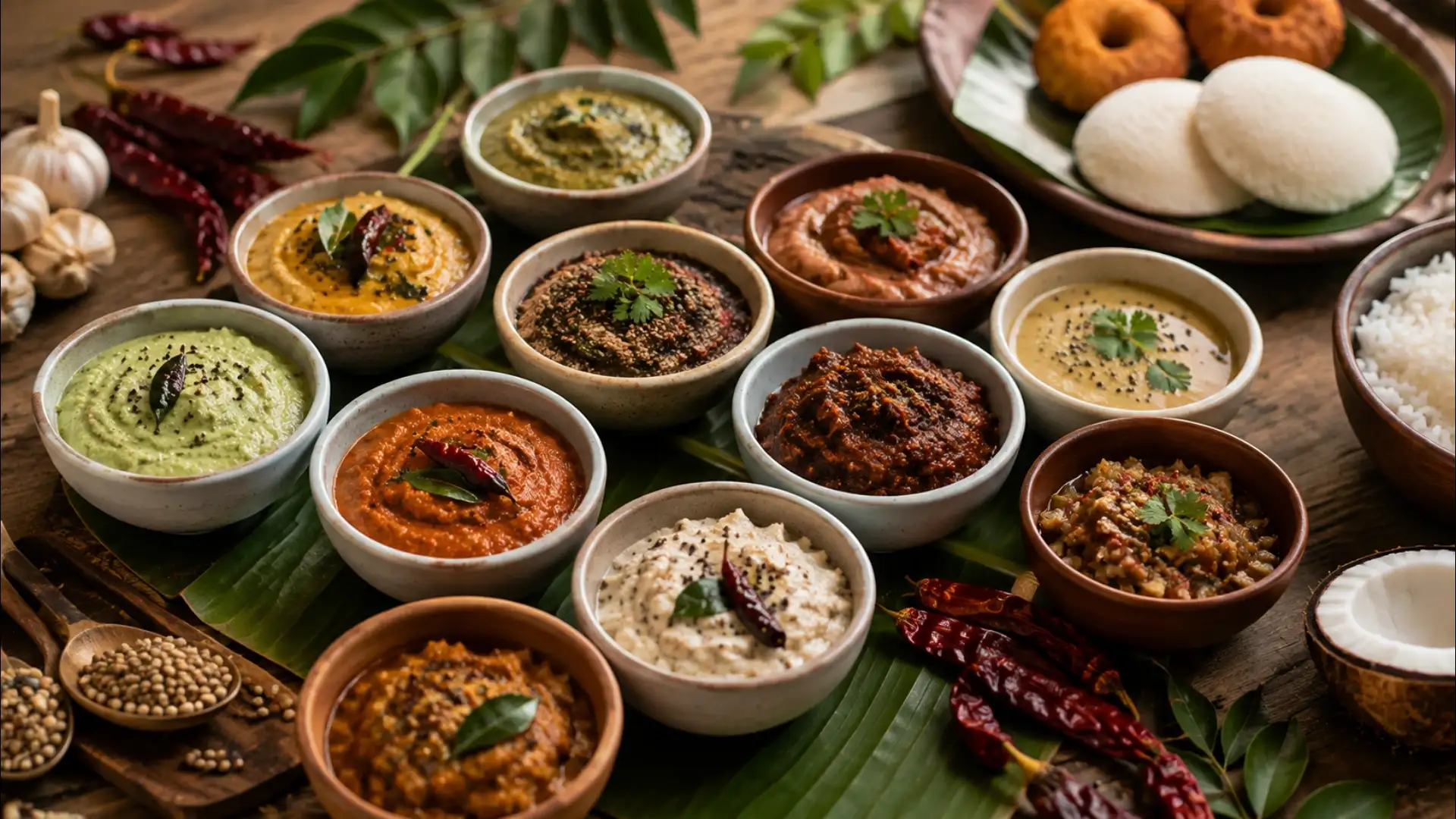
Trying these distinct preparations allows food lovers to experience genuine regional flavours right at home. By exploring different grinding techniques, fresh local herbs, and unusual spices, you can easily transform simple everyday meals into exciting culinary journeys.
Spicy Southern Delights and Coconut Flavours
In Southern India, chutney is far more than a simple side dip. It forms the core identity of breakfast dishes like dosas and idlis. While classic coconut chutney is famous worldwide, lesser known gems offer surprising tastes. Allam pachadi from Andhra Pradesh brings together fresh ginger, tamarind, and jaggery to create a fiery yet sweet dynamic. Tamil Nadu offers tomato and red chilli chutneys tempered with mustard seeds and curry leaves in hot oil. Meanwhile, Karnataka features niger seed chutney and peanut chutney powders that bring a nutty warmth to hot rice and ghee.Tangy Northern and Eastern Variations
Moving towards North and East India reveals completely different regional chutney recipes that highlight seasonal produce. In the Himalayan region of Uttarakhand, hemp seed chutney known as bhang ki chutney combines roasted seeds with lemon juice and green chillies to deliver a earthy and nutty kick. Kashmir is famous for its walnut chutney, where pounded walnuts blend with yoghurt and local spices to create a creamy side dish. In Bengal, raw mango chutney and plastic chutney made from green papaya offer a delicate sweet and sour finish to heavy afternoon meals.You may also like
- Why Am I Losing Weight While Breastfeeding?
- Is Snake Hiding in Your House? 6 Signs You Can't Ignore
- 7 Home Remedies to Treat Lice in Kids Naturally
- 6 Home Remedies To Treat Tanning in Toddlers
- Get up to 300 free electricity units every month with the PM Surya Ghar Muft Bijli Yojana. Check all the key benefits.
West Indian Coast and Fire Roasted Spices
The Western coast brings intense heat and bold coastal ingredients to the table. Maharashtra is home to the fierce garlic coconut chutney, which gives the famous vada pav its signature punch. Another coastal favourite is sol kadi, a spicy sour liquid condiment made from kokum fruit and fresh coconut milk that aids digestion. Goan cuisine makes good use of roasted coriander seeds and dried chillies to create fragrant pastes that accompany daily meals. These coastal recipes rely heavily on fresh tamarind and local vinegar to balance rich seafood curries.Unique Tribal Ingredients and Fermented Flavours
Some of the most intriguing regional chutneys originate in the tribal areas of Chhattisgarh, Odisha, and the North Eastern states. In Chhattisgarh, red ant chutney called chaprah uses weaver ants and their eggs ground with chilli and ginger to produce a unique tangy condiment rich in natural formic acid. Nagaland and Manipur produce intense chutneys made from fermented fish, king chillies, and tree tomatoes. These bold combinations prove that Indian condiments extend far beyond basic sweet preserves, presenting deep cultural heritage in every spoon.Trying these distinct preparations allows food lovers to experience genuine regional flavours right at home. By exploring different grinding techniques, fresh local herbs, and unusual spices, you can easily transform simple everyday meals into exciting culinary journeys.






Loving Newspoint? Download the app now
