
The Lost Art of Talk: Why Meaningful Conversations Are Disappearing

Every single day, billions of text messages, emails, and social media comments are sent across the globe. We live in an era where communicating with another human being takes only a fraction of a second. Yet, despite being constantly connected, many people feel a growing sense of isolation. While quick exchanges and digital updates are everywhere, truly meaningful, heart-to-heart conversations are becoming increasingly rare.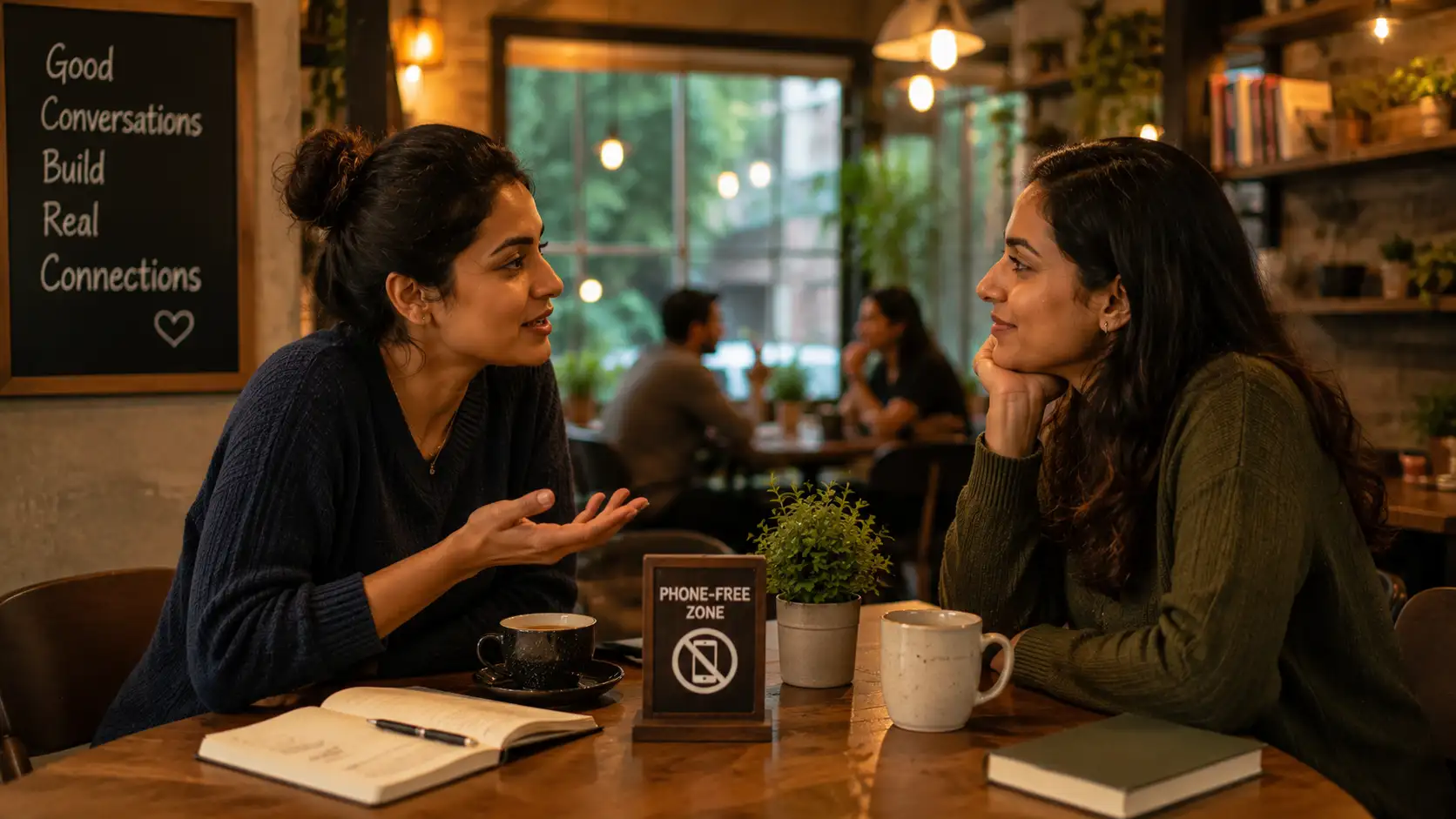
A meaningful conversation is far more than a simple swap of information or polite small talk about the weather. It is an authentic exchange where both people listen attentively, share genuine feelings, and explore ideas without feeling rushed. So, why is this essential human skill fading, and how can we bring it back into our daily lives?
By contrast, a real-time, face-to-face conversation requires vulnerability. You cannot edit what you say in person, and you must react to the other person's expressions, tone of voice, and body language instantly. Because instant messaging feels safer and less unpredictable, many of us have grown out of practice with the messy, unscripted nature of real dialogue.
When your mind is partially focused on an incoming message or a social media feed, you cannot listen deeply. Meaningful conversation demands undivided attention. When we listen with only half an ear, the depth of the conversation quickly evaporates, leaving behind superficial exchanges that fail to nourish our relationships.
We tend to rush to fill every pause with quick remarks or reach for our phones at the first sign of a lull. By treating quiet moments as something to be fixed rather than welcomed, we cut off conversations before they have a chance to move beyond surface-level chatter.
Start by introducing phone-free spaces into your day, such as during meals or evening walks with loved ones. Practice asking open questions such as "How did that make you feel?" rather than simple "yes" or "no" queries. Most importantly, focus on active listening : listen to understand the other person’s perspective, rather than simply waiting for your turn to speak.
Reclaiming the art of meaningful conversation allows us to move past superficial contact and rebuild genuine, warm connections in an increasingly noisy world.
A meaningful conversation is far more than a simple swap of information or polite small talk about the weather. It is an authentic exchange where both people listen attentively, share genuine feelings, and explore ideas without feeling rushed. So, why is this essential human skill fading, and how can we bring it back into our daily lives?
1. The Safety of Curated Messages
One of the main reasons deep conversation is declining is our preference for typed messaging over real-time dialogue. Digital messaging gives us complete control over our words. We can edit a text, erase a sentence, or take hours to craft the perfect reply.By contrast, a real-time, face-to-face conversation requires vulnerability. You cannot edit what you say in person, and you must react to the other person's expressions, tone of voice, and body language instantly. Because instant messaging feels safer and less unpredictable, many of us have grown out of practice with the messy, unscripted nature of real dialogue.
2. The Constant Battle for Our Attention
Even when we sit down in the same room as friends or family, true presence is hard to maintain. Notifications, flashing screens, and the habit of multi-tasking constantly pull our attention away from the person sitting in front of us.You may also like
- Can Laughter During Pregnancy Benefit You and Your Baby? What Science Says
- 'I used to love charity shops - but £9bn app has now ruined them'
- Healthcare Workers Report: Increasing violence against 4 out of 10 healthcare workers has become a global crisis, WHO warns
- Pumpkin Seed Oil Tips: Want to make pumpkin seed oil at home? Learn these secret hair growth tips.
- M&S £26 'stylish' trainers are 'very comfortable and go well with summer dresses'
When your mind is partially focused on an incoming message or a social media feed, you cannot listen deeply. Meaningful conversation demands undivided attention. When we listen with only half an ear, the depth of the conversation quickly evaporates, leaving behind superficial exchanges that fail to nourish our relationships.
3. The Uncomfortable Nature of Silence and Depth
Real conversation often requires comfortable pauses. A quiet moment allows a person to gather their thoughts, digest what has been said, or build up the courage to share something personal. In our fast-paced modern culture, however, silence is frequently viewed as awkward or inefficient.We tend to rush to fill every pause with quick remarks or reach for our phones at the first sign of a lull. By treating quiet moments as something to be fixed rather than welcomed, we cut off conversations before they have a chance to move beyond surface-level chatter.
4. How to Reclaim the Skill of Conversation
Fortunately, conversation is a skill, and like any skill, it can be rebuilt through practice. You do not need to make radical changes to transform your daily interactions.Start by introducing phone-free spaces into your day, such as during meals or evening walks with loved ones. Practice asking open questions such as "How did that make you feel?" rather than simple "yes" or "no" queries. Most importantly, focus on active listening : listen to understand the other person’s perspective, rather than simply waiting for your turn to speak.
Reclaiming the art of meaningful conversation allows us to move past superficial contact and rebuild genuine, warm connections in an increasingly noisy world.






Loving Newspoint? Download the app now
