
Why Ancient Millets Are Making a Global Comeback in Modern Diets

For decades, rice and wheat have dominated dinner tables across much of the world, leaving many traditional grains forgotten. Yet one ancient food is quietly making an impressive comeback. Millets, once considered everyday staples in many regions, are now being recognised for their impressive nutritional value, resilience and versatility. From health-conscious consumers to leading chefs and environmental experts, more people are rediscovering why these humble grains have sustained communities for thousands of years. As interest in healthier eating and sustainable agriculture continues to grow, millets are proving that some of the oldest foods can still offer some of the smartest solutions for modern life.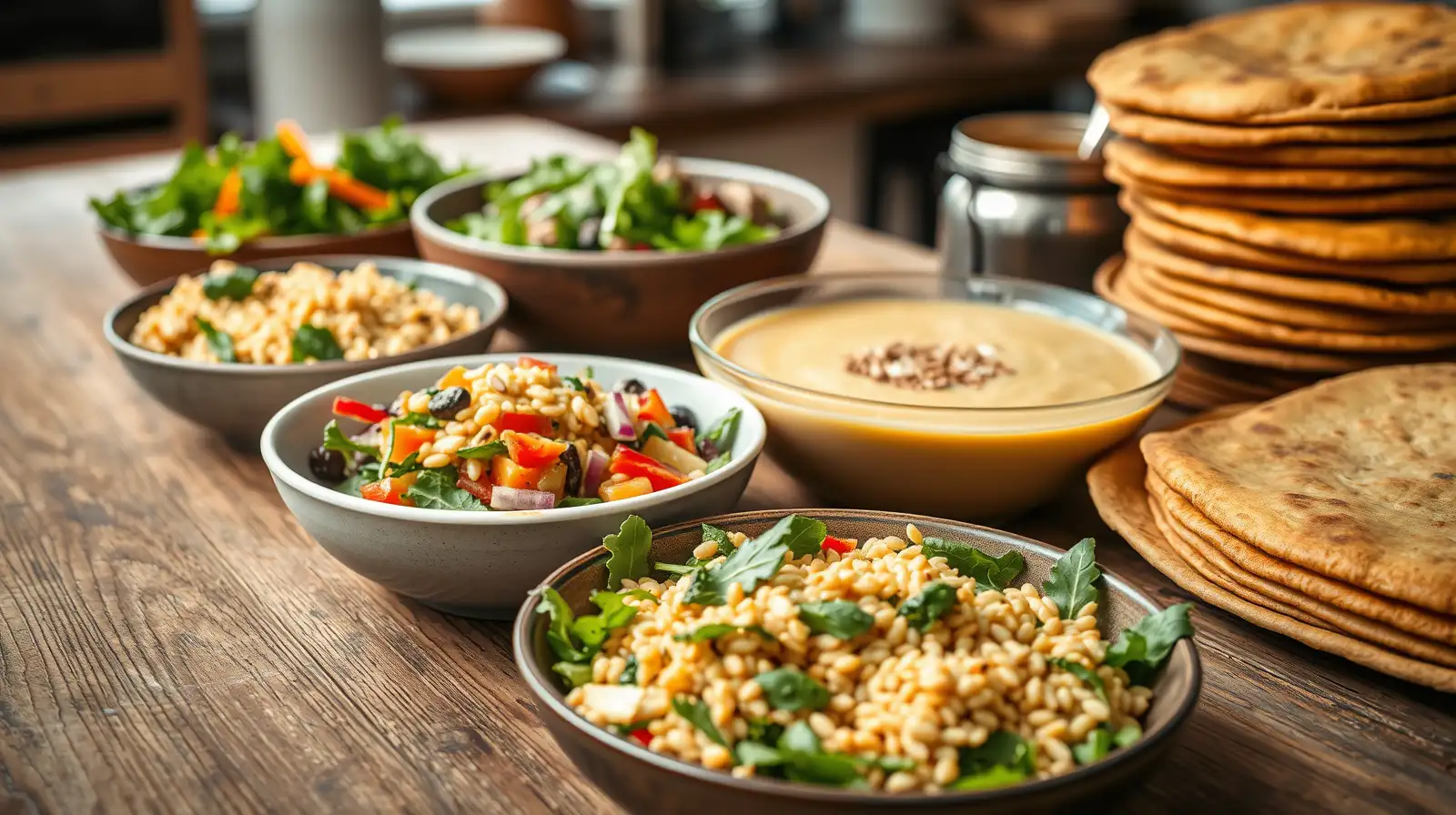
These hardy crops thrived in challenging climates where other grains struggled to grow. Farmers valued them because they required relatively little water, tolerated poor soil conditions and produced reliable harvests even during dry seasons.
Although urban lifestyles gradually shifted food preferences towards refined grains, many rural communities continued preserving millet-based recipes that have now found renewed appreciation.
Millets provide complex carbohydrates that release energy gradually, making them a satisfying choice for people looking to maintain steady energy levels throughout the day. They also contain important nutrients such as magnesium, phosphorus, iron and several B vitamins that support overall health.
Their naturally high fibre content contributes to healthy digestion and can help people feel fuller for longer, making them a valuable addition to balanced eating habits.
Finger millet, commonly known as ragi, is particularly valued for its calcium content, while pearl millet offers generous amounts of iron and magnesium. Foxtail millet has become increasingly popular in healthy breakfast bowls and salads because of its mild, nutty flavour.
Another fascinating fact is that millets are naturally gluten-free, making them a suitable grain option for people who need to avoid gluten due to medical conditions or dietary preferences.
As weather patterns become less predictable, resilient crops like millets offer farmers an important alternative that can strengthen food security while reducing environmental pressure.
Consumers are also becoming more interested in locally grown, traditional foods, giving millets a fresh place in modern kitchens.
Many food manufacturers are now introducing millet-based breakfast cereals, snacks and pasta, making it easier than ever to include these ancient grains in everyday meals without completely changing eating habits.
Their mild flavour pairs well with vegetables, pulses and spices, allowing them to fit naturally into both traditional and contemporary recipes.
A Grain with Thousands of Years of History
Millets are among the oldest cultivated grains in the world, with evidence suggesting they were grown more than 7,000 years ago across parts of Asia and Africa. In India, varieties such as finger millet, pearl millet, foxtail millet and little millet formed the backbone of traditional diets long before polished rice became widely available.These hardy crops thrived in challenging climates where other grains struggled to grow. Farmers valued them because they required relatively little water, tolerated poor soil conditions and produced reliable harvests even during dry seasons.
Although urban lifestyles gradually shifted food preferences towards refined grains, many rural communities continued preserving millet-based recipes that have now found renewed appreciation.
Why Nutrition Experts Are Paying Attention
One of the biggest reasons behind the revival of millets is their nutritional profile. Unlike many refined grains, most millets retain their natural fibre, vitamins and minerals because they are commonly eaten as whole grains.Millets provide complex carbohydrates that release energy gradually, making them a satisfying choice for people looking to maintain steady energy levels throughout the day. They also contain important nutrients such as magnesium, phosphorus, iron and several B vitamins that support overall health.
Their naturally high fibre content contributes to healthy digestion and can help people feel fuller for longer, making them a valuable addition to balanced eating habits.
Lesser-Known Facts About Millets
Many people are surprised to learn that there is no single type of millet. Instead, the name refers to a group of several small-grained cereals, each with its own flavour, texture and nutritional strengths.Finger millet, commonly known as ragi, is particularly valued for its calcium content, while pearl millet offers generous amounts of iron and magnesium. Foxtail millet has become increasingly popular in healthy breakfast bowls and salads because of its mild, nutty flavour.
You may also like
- 'I never really left': Sabyasachi reacts to buzz around his New York Fashion Week comeback after a decade
- If you haven't obtained a marriage certificate, you won't get these benefits; find out the process for getting one..
- Passport: You will now have to pay ₹2,500 to get a passport; children and the elderly will receive a 10% discount..
- The government will provide up to ₹15,000 if it is your first job; find out what you need to do to avail the benefits of the scheme..
- Kushal Tanwar Celebrates Third Reality Show Victory with Mother on Zee5
Another fascinating fact is that millets are naturally gluten-free, making them a suitable grain option for people who need to avoid gluten due to medical conditions or dietary preferences.
Why Millets Matter in Today's World
The growing popularity of millets is not only about personal health. These grains are also gaining attention because they support more sustainable farming practices. Compared with many other cereal crops, millets generally require less water and fewer agricultural inputs, making them well suited to regions facing water shortages and changing climate conditions.As weather patterns become less predictable, resilient crops like millets offer farmers an important alternative that can strengthen food security while reducing environmental pressure.
Consumers are also becoming more interested in locally grown, traditional foods, giving millets a fresh place in modern kitchens.
Bringing Millets into Everyday Meals
Millets are far more versatile than many people realise. They can be cooked as a substitute for rice, used in porridge, added to soups, prepared as salads or ground into flour for breads, pancakes and traditional flatbreads.Many food manufacturers are now introducing millet-based breakfast cereals, snacks and pasta, making it easier than ever to include these ancient grains in everyday meals without completely changing eating habits.
Their mild flavour pairs well with vegetables, pulses and spices, allowing them to fit naturally into both traditional and contemporary recipes.






More from our partners


Loving Newspoint? Download the app now
