
Forgotten Indian Herbs That Once Filled Every Kitchen and Are Making a Comeback

Long before supermarket shelves were lined with imported herbs and packaged seasonings, Indian kitchens relied on a remarkable collection of home-grown plants that added flavour, aroma and nutrition to everyday meals. Many of these herbs were not considered exotic or expensive. They grew in gardens, along village paths or in backyard pots, making them easily accessible to generations of families. As eating habits changed and processed foods became more common, several of these traditional herbs gradually disappeared from daily cooking. Today, however, they are making a quiet comeback as people rediscover the value of local ingredients , traditional recipes and natural ways to enrich their diets.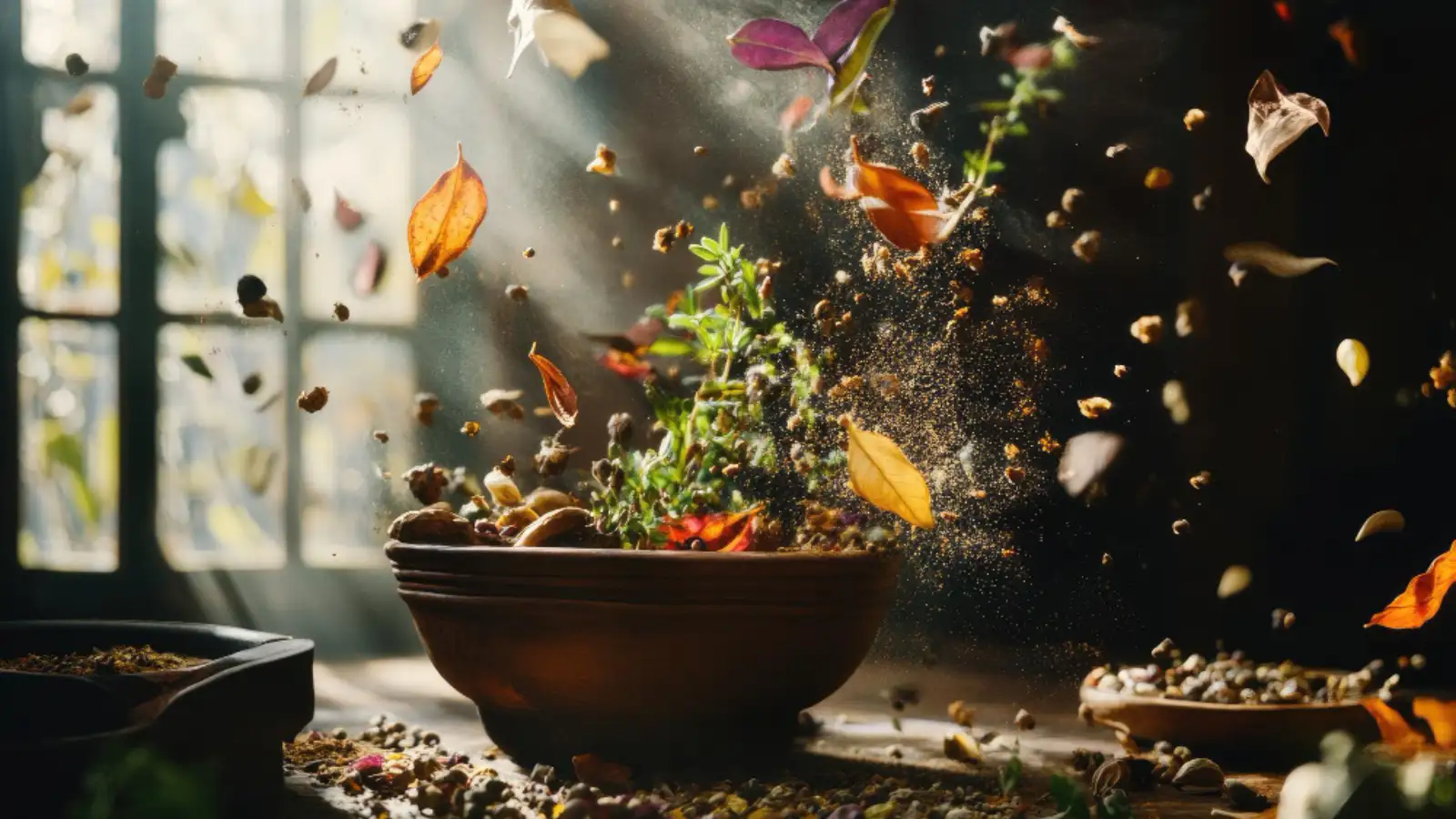
Fresh curry leaves, coriander, mint, dill and fenugreek leaves became kitchen essentials in many households. Alongside these familiar herbs were lesser-known varieties such as Indian borage, known locally as ajwain leaves, and kulfa, or purslane, which featured in regional recipes for centuries.
Rather than being viewed as special ingredients, these herbs were simply part of everyday cooking, reflecting a practical understanding of seasonal eating.
Curry leaves provide antioxidants and are a source of iron and calcium. Fresh coriander contains vitamin C and vitamin K, while mint offers refreshing flavour alongside naturally occurring compounds that have long been associated with digestive comfort.
Fenugreek leaves supply dietary fibre, iron and folate, making them a nutritious addition to breads, curries and vegetable dishes.
Although these herbs are not medicines, their nutritional value adds depth to meals while complementing a varied and healthy eating pattern.
Indian borage has thick, aromatic leaves with a distinctive flavour that works well in chutneys and fritters. Purslane is another overlooked herb that naturally contains omega-3 fatty acids, something rarely found in leafy vegetables.
Gotu kola, used in parts of southern and north-eastern India, has been part of traditional diets for generations and is valued for its fresh, slightly earthy taste.
These herbs demonstrate the remarkable diversity of India's edible plants, many of which continue to grow locally despite receiving little attention in mainstream markets.
Traditional herbs also encourage people to cook more meals at home, where they have greater control over ingredients and preparation methods.
From an environmental perspective, many indigenous herbs grow well in local conditions and require fewer resources than imported varieties. They are often well adapted to regional climates, making them practical choices for home gardens and small-scale farming.
As interest in sustainable food systems continues to grow, these herbs represent an important part of India's agricultural heritage.
Fenugreek leaves can be mixed into flatbreads or lentil curries, and purslane works well in salads, soups and lightly cooked vegetable dishes.
Many families are also rediscovering kitchen gardens, growing herbs in small pots or balconies. This not only provides fresh ingredients but also strengthens the connection between food, seasons and everyday life.
Small changes like these can make meals more flavourful while preserving valuable culinary traditions.
A Rich Tradition Rooted in Everyday Life
India's culinary heritage has always been closely connected to its diverse climate and regional biodiversity. Different parts of the country developed their own unique collection of herbs, many of which were used as much for their flavour as for their traditional health benefits.Fresh curry leaves, coriander, mint, dill and fenugreek leaves became kitchen essentials in many households. Alongside these familiar herbs were lesser-known varieties such as Indian borage, known locally as ajwain leaves, and kulfa, or purslane, which featured in regional recipes for centuries.
Rather than being viewed as special ingredients, these herbs were simply part of everyday cooking, reflecting a practical understanding of seasonal eating.
More Than Just Flavour
Traditional Indian herbs contribute far more than pleasant aromas. Many are naturally rich in vitamins, minerals and beneficial plant compounds that support a balanced diet.Curry leaves provide antioxidants and are a source of iron and calcium. Fresh coriander contains vitamin C and vitamin K, while mint offers refreshing flavour alongside naturally occurring compounds that have long been associated with digestive comfort.
Fenugreek leaves supply dietary fibre, iron and folate, making them a nutritious addition to breads, curries and vegetable dishes.
Although these herbs are not medicines, their nutritional value adds depth to meals while complementing a varied and healthy eating pattern.
Lesser-Known Herbs Worth Rediscovering
Some traditional herbs remain unfamiliar even to many regular home cooks.Indian borage has thick, aromatic leaves with a distinctive flavour that works well in chutneys and fritters. Purslane is another overlooked herb that naturally contains omega-3 fatty acids, something rarely found in leafy vegetables.
Gotu kola, used in parts of southern and north-eastern India, has been part of traditional diets for generations and is valued for its fresh, slightly earthy taste.
These herbs demonstrate the remarkable diversity of India's edible plants, many of which continue to grow locally despite receiving little attention in mainstream markets.
Why Traditional Herbs Matter Today
Modern diets often depend heavily on packaged sauces, artificial flavourings and processed seasonings. Returning to fresh herbs offers a simple way to add natural flavour without relying on excessive salt or sugar.Traditional herbs also encourage people to cook more meals at home, where they have greater control over ingredients and preparation methods.
You may also like
- If you haven't obtained a marriage certificate, you won't get these benefits; find out the process for getting one..
- Passport: You will now have to pay ₹2,500 to get a passport; children and the elderly will receive a 10% discount..
- The government will provide up to ₹15,000 if it is your first job; find out what you need to do to avail the benefits of the scheme..
- Kushal Tanwar Celebrates Third Reality Show Victory with Mother on Zee5
- The 'Fantasy Coffins' of Ghana; a unique funeral tradition that turns death into celebrations of life and why travellers are fascinated
From an environmental perspective, many indigenous herbs grow well in local conditions and require fewer resources than imported varieties. They are often well adapted to regional climates, making them practical choices for home gardens and small-scale farming.
As interest in sustainable food systems continues to grow, these herbs represent an important part of India's agricultural heritage.
Bringing Forgotten Herbs Back into Everyday Meals
Reintroducing traditional herbs does not require complicated recipes. Fresh coriander and mint can brighten salads and chutneys, while curry leaves add depth to dals, rice dishes and vegetable stir-fries.Fenugreek leaves can be mixed into flatbreads or lentil curries, and purslane works well in salads, soups and lightly cooked vegetable dishes.
Many families are also rediscovering kitchen gardens, growing herbs in small pots or balconies. This not only provides fresh ingredients but also strengthens the connection between food, seasons and everyday life.
Small changes like these can make meals more flavourful while preserving valuable culinary traditions.






More from our partners


Loving Newspoint? Download the app now
