
How To Set Up A Plant Pot: Perfect Layering Guide From Coco Peat To Sand

When potting a plant, many gardeners instinctively reach for gravel, pebbles or broken pieces of terracotta and place them at the bottom of the container. The idea is simple: a coarse layer is supposed to help excess water escape.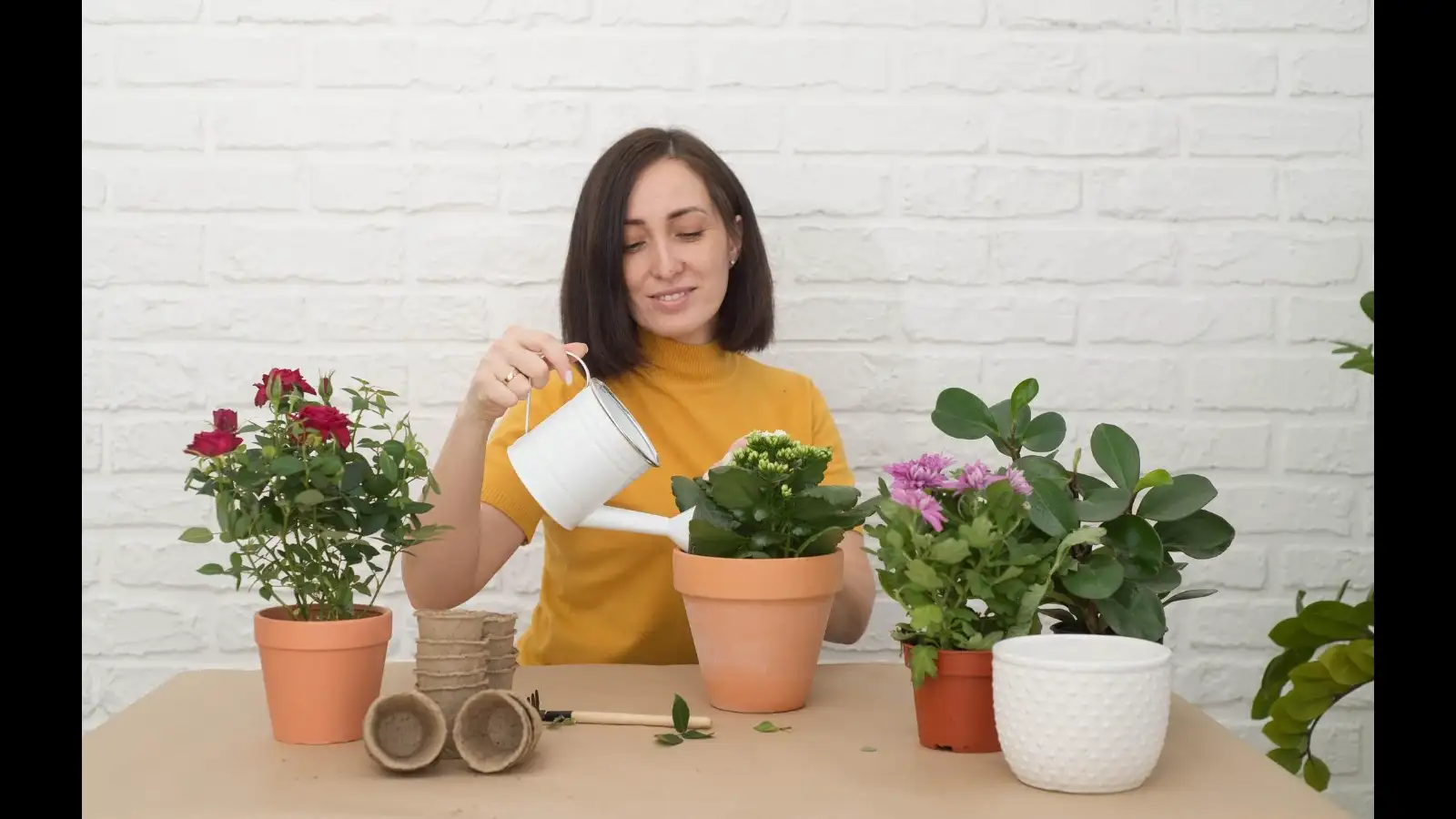
However, this traditional gardening habit may not improve drainage as expected. In fact, a layer of gravel beneath fine potting soil can cause water to collect higher up in the container. The real secret to plant pot drainage lies in the potting mix itself.
This can leave a wetter zone closer to the roots, which may increase the risk of root problems for plants that dislike excess moisture.
Rather than creating a drainage layer, focus on making the entire potting mix well structured and capable of allowing both water and air to move through it.
Also Read: How a Peace Lily Can Make Your Home Feel Fresher
If you are concerned about soil escaping through the opening, place a small piece of mesh, a thin piece of terracotta or even a coffee filter over the hole. The covering should not completely block the opening.
The aim is simply to prevent soil from washing out while allowing water to escape freely.
A simple general-purpose mix can include:
Before adding it to your mix, soak compressed coco peat and allow it to expand fully. Fluff it up before combining it with soil and compost.
Avoid using pure coco peat for every plant. Because it can retain considerable moisture, combining it with other materials creates a more balanced growing medium.
Tropical and leafy plants that prefer consistently moist conditions may benefit from a slightly higher proportion of coco peat and organic matter.
The important principle is to distribute all ingredients evenly rather than creating separate layers.
Also Read: Want A Moon Garden? Try These 7 Fragrant Evening-Blooming Plants
A thin layer of dried leaves, suitable organic mulch or small decorative pebbles can help reduce moisture loss and prevent soil from splashing out during watering. However, avoid piling mulch against the plant stem.
Blend the ingredients thoroughly from top to bottom rather than stacking them separately. This creates a more consistent growing environment and supports better plant pot drainage.
A properly prepared pot does not need to be complicated. The right container, a balanced potting mix and sensible watering can make a much bigger difference to plant health than a thick layer of stones at the bottom.
However, this traditional gardening habit may not improve drainage as expected. In fact, a layer of gravel beneath fine potting soil can cause water to collect higher up in the container. The real secret to plant pot drainage lies in the potting mix itself.
Why You Should Skip The Gravel Layer
Water does not always move easily from fine soil into a layer of much coarser material underneath it. Instead, the soil above the gravel can remain saturated before water moves further down.This can leave a wetter zone closer to the roots, which may increase the risk of root problems for plants that dislike excess moisture.
Rather than creating a drainage layer, focus on making the entire potting mix well structured and capable of allowing both water and air to move through it.
Also Read: How a Peace Lily Can Make Your Home Feel Fresher
Start With The Drainage Hole
The drainage hole at the bottom of the pot is still important. It gives excess water a way out after watering.If you are concerned about soil escaping through the opening, place a small piece of mesh, a thin piece of terracotta or even a coffee filter over the hole. The covering should not completely block the opening.
The aim is simply to prevent soil from washing out while allowing water to escape freely.
Build The Right Potting Mix
This is the most important part of a good plant potting guide . Instead of placing different materials in separate layers, mix them throughout the container.A simple general-purpose mix can include:
- Garden soil for structure
- Compost for organic matter
- Coco peat for moisture retention
- Coarse sand or perlite for aeration
How To Use Coco Peat For Plants
Coco peat for plants is made from coconut husk fibre and is popular in home gardening because it is lightweight and holds moisture well.Before adding it to your mix, soak compressed coco peat and allow it to expand fully. Fluff it up before combining it with soil and compost.
Avoid using pure coco peat for every plant. Because it can retain considerable moisture, combining it with other materials creates a more balanced growing medium.
Adjust The Mix For Different Plants
Not every plant requires the same soil structure. Succulents and cacti generally prefer a faster-draining mix with more coarse material and less moisture-retaining coco peat.Tropical and leafy plants that prefer consistently moist conditions may benefit from a slightly higher proportion of coco peat and organic matter.
The important principle is to distribute all ingredients evenly rather than creating separate layers.
Also Read: Want A Moon Garden? Try These 7 Fragrant Evening-Blooming Plants
Add Mulch To The Top
If you like the idea of adding a protective layer, the top of the pot is a more useful place for it.A thin layer of dried leaves, suitable organic mulch or small decorative pebbles can help reduce moisture loss and prevent soil from splashing out during watering. However, avoid piling mulch against the plant stem.
The Simple Potting Formula
For healthier roots, think beyond the traditional gravel layer. Choose a pot with drainage holes, cover the opening lightly if necessary and prepare a well-balanced coco peat and soil mix .Blend the ingredients thoroughly from top to bottom rather than stacking them separately. This creates a more consistent growing environment and supports better plant pot drainage.
A properly prepared pot does not need to be complicated. The right container, a balanced potting mix and sensible watering can make a much bigger difference to plant health than a thick layer of stones at the bottom.
Next Story