
The Rise of the ‘Nonchalant’ Trend: Why Gen Z Is Embracing Emotional Detachment

Do you ever worry that replying too quickly, posting emotional captions, or openly showing excitement about someone or something might make you seem attention-seeking or “too much”? If so, you are not alone. This emotional restraint has become deeply embedded in today’s digital culture . Nonchalant behaviour is often mistaken for confidence, while openly expressing care or enthusiasm is sometimes viewed as embarrassing. As a result, being emotionally detached and “nonchalant” has gradually evolved into a personality trend shaped by social media and online perceptions.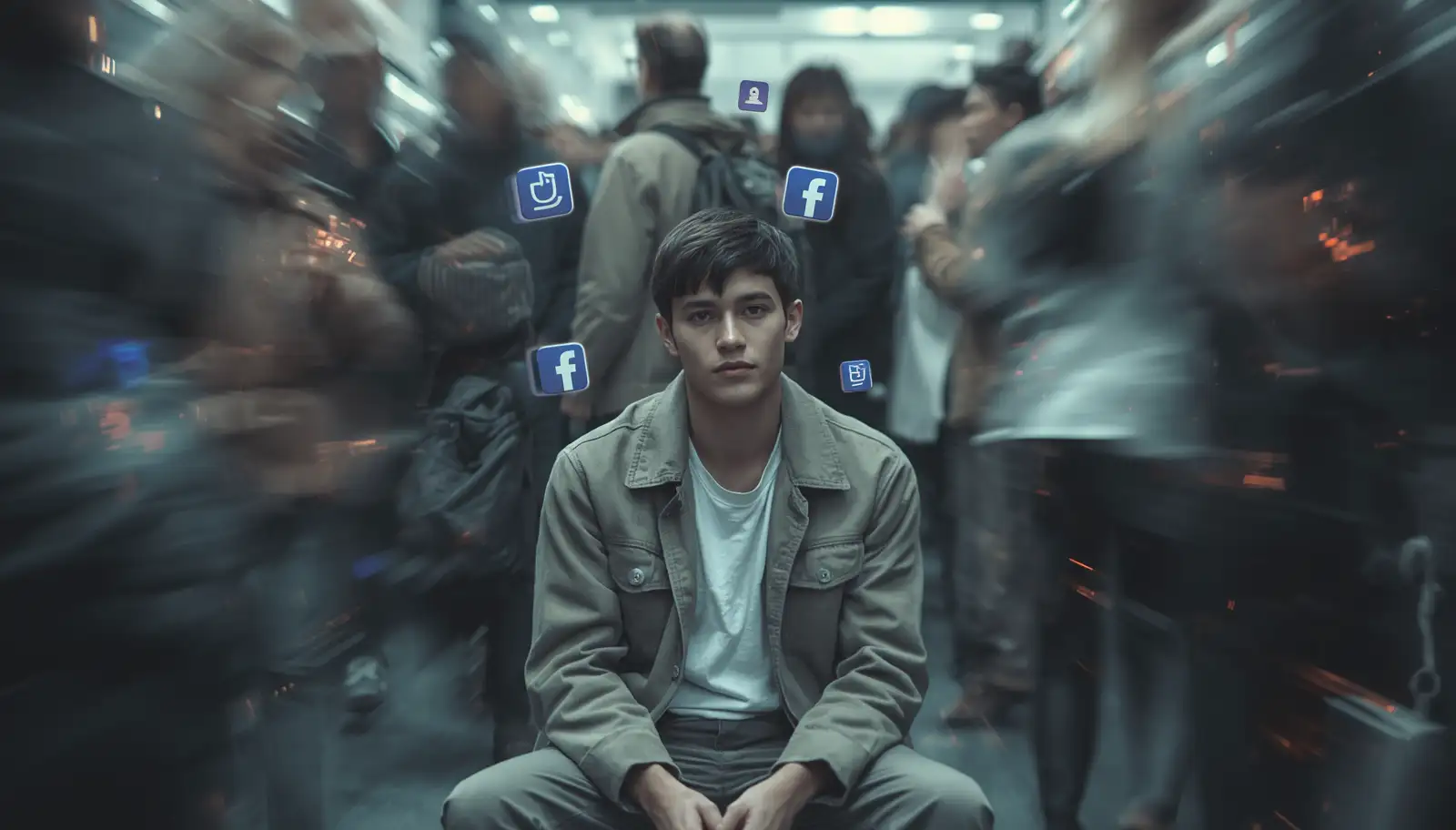
What It Looks Like Being A “Nonchalant”
In today’s world, being ‘nonchalant’ is often associated with emotional distance, indifference, and, at times, deliberate detachment. Rather than reflecting genuine calmness, it can appear as carefully controlled emotional restraint. This may include dry texting, delayed replies, avoiding vulnerability, pretending not to care too much, or acting unaffected in situations that genuinely matter. Social media has heavily popularised this behaviour, linking it to minimal reactions, emotionally detached humour, mysterious aesthetics, and the idea of always appearing “cool” and unbothered. According to recent discussions around the trend, emotional detachment is increasingly being turned into an online aesthetic , particularly among Gen Z users navigating highly visible digital lives. As a result, many people consciously adopt this behaviour to protect their image and avoid appearing overly invested.
Why Is It Becoming a Personality Trait?
This behaviour is becoming increasingly common, especially in digital culture. Social media has transformed the way people interact and perceive themselves, creating pressure to adopt a more detached attitude. These platforms have, in many ways, turned emotional detachment into an aesthetic. In highly visible online spaces, people are constantly aware of how they appear to others, making emotional control seem more desirable than emotional openness.
What It Looks Like Being A “Nonchalant”
In today’s world, being ‘nonchalant’ is often associated with emotional distance, indifference, and, at times, deliberate detachment. Rather than reflecting genuine calmness, it can appear as carefully controlled emotional restraint. This may include dry texting, delayed replies, avoiding vulnerability, pretending not to care too much, or acting unaffected in situations that genuinely matter. Social media has heavily popularised this behaviour, linking it to minimal reactions, emotionally detached humour, mysterious aesthetics, and the idea of always appearing “cool” and unbothered. According to recent discussions around the trend, emotional detachment is increasingly being turned into an online aesthetic , particularly among Gen Z users navigating highly visible digital lives. As a result, many people consciously adopt this behaviour to protect their image and avoid appearing overly invested.
Why Is It Becoming a Personality Trait?
This behaviour is becoming increasingly common, especially in digital culture. Social media has transformed the way people interact and perceive themselves, creating pressure to adopt a more detached attitude. These platforms have, in many ways, turned emotional detachment into an aesthetic. In highly visible online spaces, people are constantly aware of how they appear to others, making emotional control seem more desirable than emotional openness.
Next Story