
Why Exploring Abandoned Places Has Become a Risky Obsession for Young Indians

For decades, the practice of urban exploration was viewed primarily as a niche subculture confined to the industrialized landscapes of Europe and North America. Enthusiasts spent years quietly mapping out historic subway tunnels, decommissioned military bunkers, and decaying Soviet-era architecture. Today, this fascination with forgotten structures has officially taken root in major metropolitan cities across India. A growing community of local enthusiasts, consisting almost entirely of college and university students in their early twenties, is bypassing barricades to explore the country's modern ruins. This booming trend, colloquially known as "urbex", is rapidly transforming neglected physical spaces into viral online content.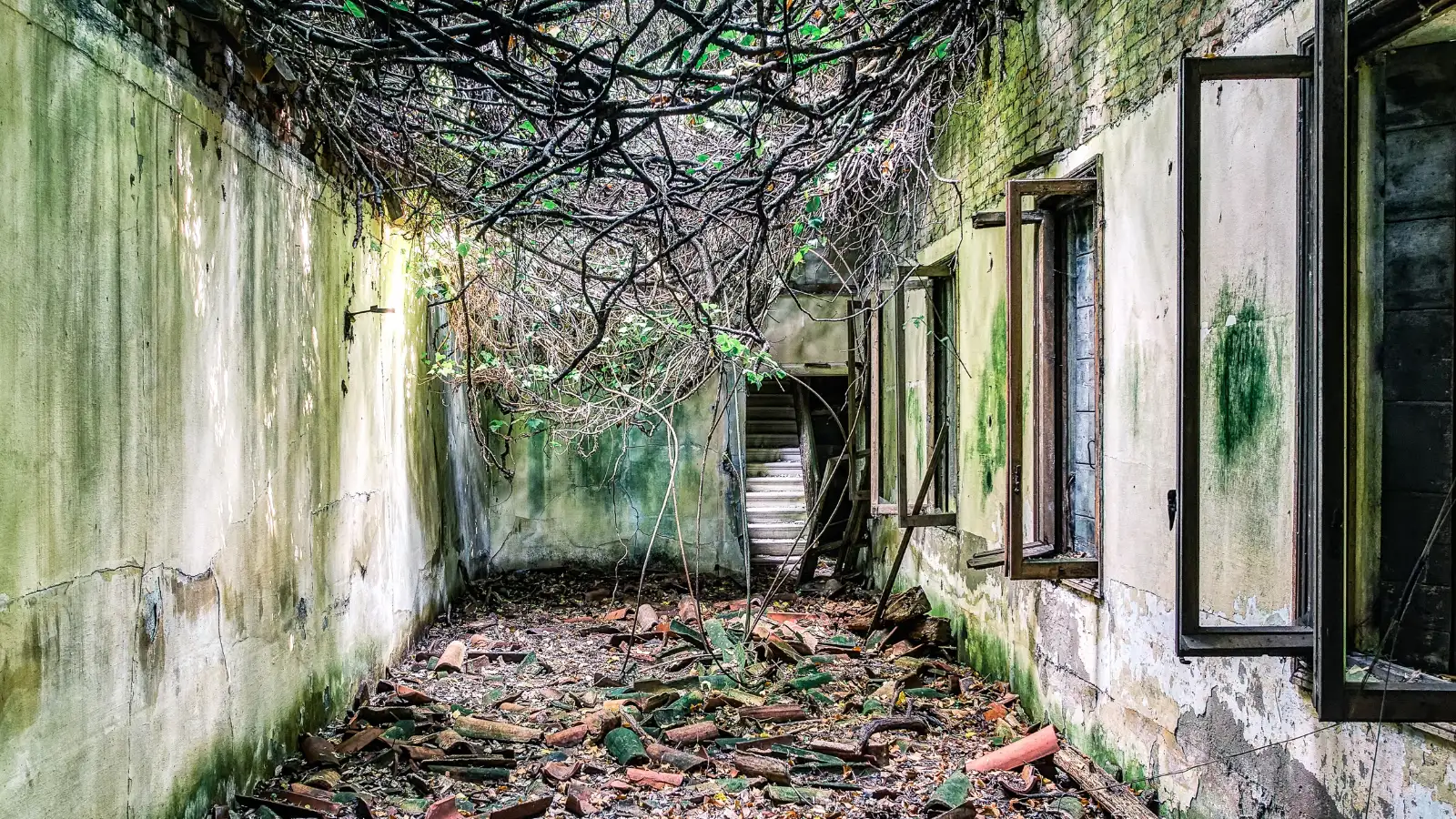
For other members of the community, the draw is rooted in a profound sense of historical nostalgia. These creators are fascinated by the eerie silence of spaces that were once crowded with human life, treating deserted theaters or rusted factories as time capsules suspended in history.
Furthermore, encounters with territorial guard dogs or private security personnel are common. Legal repercussions represent another major hurdle, with many explorers recounting close calls involving local law enforcement and central security agencies. To protect themselves from trespassing charges and familial disapproval, the majority of creators maintain complete anonymity online, operating under the community motto of "no face, no case."
In response to this backlash, seasoned Indian explorers advocate for a strict ethical code within their community. Following the global golden rule of "take nothing but pictures, leave nothing but footprints," true enthusiasts distance themselves from vandalism, theft, or property damage, framing their controversial passion as a vital form of modern architectural preservation.
Driven by Nostalgia and Extreme Adrenaline
The motivations behind navigating restricted properties vary deeply among individual explorers. For some participants, the primary catalyst is the sheer psychological rush of entering dangerous territories. Their urban itineraries feature high risk locations, including abandoned commercial malls, inactive water parks, empty medical facilities, aircraft scrapyards, and the active rooftops of operational high-rises.For other members of the community, the draw is rooted in a profound sense of historical nostalgia. These creators are fascinated by the eerie silence of spaces that were once crowded with human life, treating deserted theaters or rusted factories as time capsules suspended in history.
Navigating Severe Physical and Legal Hazards
Despite the artistic and adventurous framing on social media, the realities of urban exploration remain incredibly hazardous. Many targeted properties suffer from severe structural instability, with crumbling concrete floors, decaying staircases, broken glass, and exposed electrical grids presenting constant physical threats.Furthermore, encounters with territorial guard dogs or private security personnel are common. Legal repercussions represent another major hurdle, with many explorers recounting close calls involving local law enforcement and central security agencies. To protect themselves from trespassing charges and familial disapproval, the majority of creators maintain complete anonymity online, operating under the community motto of "no face, no case."
The Ethics of Documenting the Forbidden
As these videos accumulate millions of views on platforms like Instagram and TikTok, international authorities and social media corporations are intensifying their scrutiny of the hobby. Law enforcement agencies warn that viral clips encourage dangerous copycat behavior among younger audiences, prompting digital platforms to actively restrict or suspend prominent urbex accounts.In response to this backlash, seasoned Indian explorers advocate for a strict ethical code within their community. Following the global golden rule of "take nothing but pictures, leave nothing but footprints," true enthusiasts distance themselves from vandalism, theft, or property damage, framing their controversial passion as a vital form of modern architectural preservation.
Next Story