
Rosehip Oil Vs Argan Oil: Which Is Better For Glowing Skin?

Plant based skincare oils have become a major part of modern beauty routines, thanks to their nourishing properties and chemical free appeal. Among the most popular choices are rosehip oil and argan oil, both known for enhancing skin health naturally.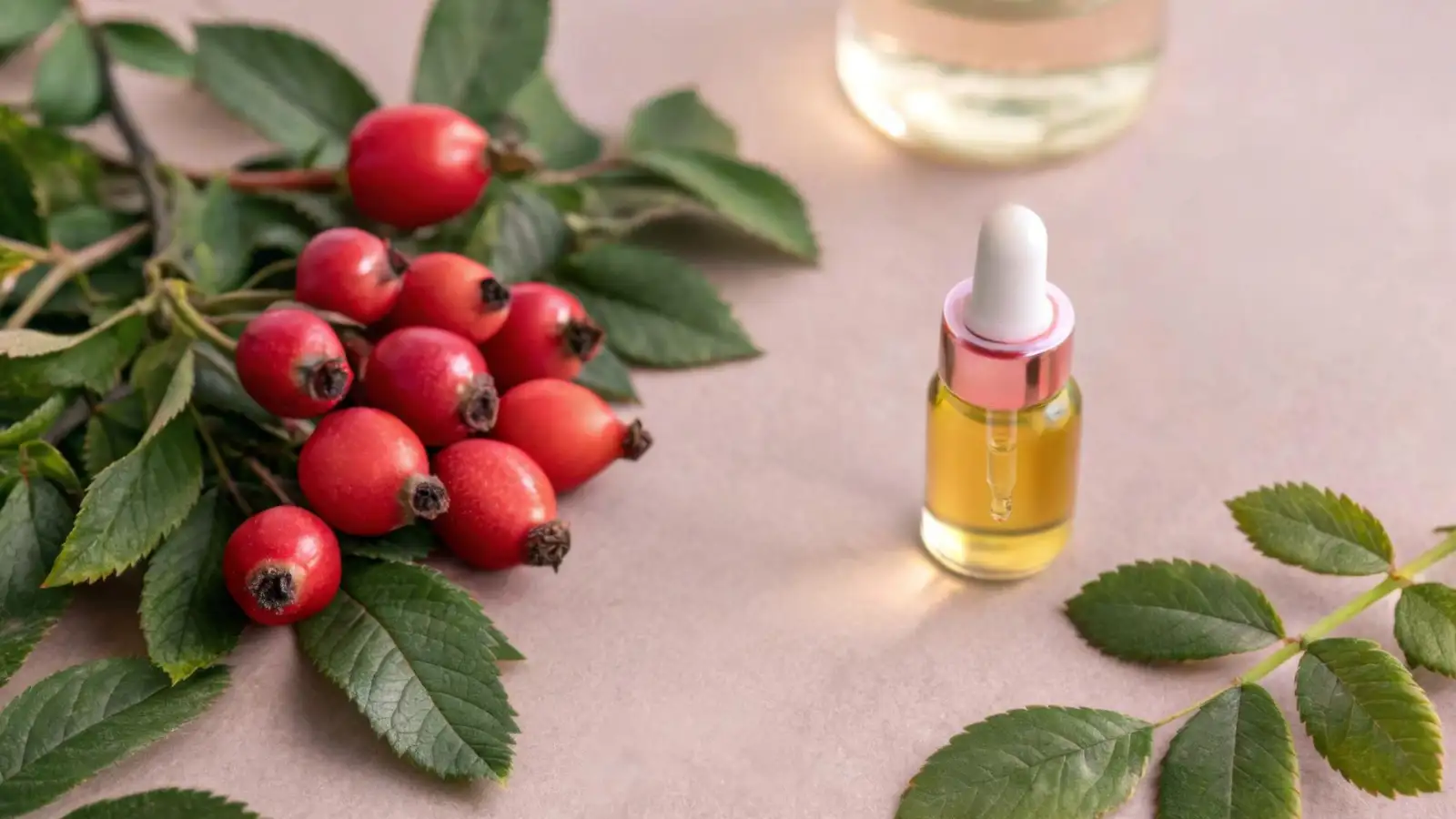
Although both oils help improve skin texture and glow, they offer different benefits depending on your skin type and skincare concerns. Some people prefer rosehip oil for brightening dull skin and reducing marks, while others swear by argan oil for hydration and smoothness.
So, which one actually gives a better glow? Let’s explore the benefits, texture, uses, and ideal skin types for both oils.
One of the biggest rosehip oil benefits is its ability to brighten dull skin and improve uneven skin tone. It is often recommended for people dealing with acne scars, pigmentation, and tired looking skin.
The oil absorbs quickly into the skin without leaving a greasy layer, making it especially suitable for oily and acne prone skin types.
Many skincare users claim that regular use of rosehip oil helps improve skin clarity and creates a natural radiant glow over time.
Also Read: 5 Best Hair Oils To Control Dandruff And Promote Hair Growth Naturally This Summer
Unlike rosehip oil, argan oil focuses more on hydration and skin barrier repair. It deeply moisturises the skin, making it soft, smooth, and plump.
People with dry, flaky, or mature skin often prefer argan oil because it creates a healthy dewy finish rather than a matte glow.
If your goal is brighter skin, reduced pigmentation, and a lightweight glow, rosehip oil may be the better option.
However, if your skin feels dry, irritated, or dehydrated, argan oil may work better by restoring moisture and giving a soft dewy appearance.
Also Read: Hair Oiling Tips: How to Massage Your Scalp for Hair Growth
Choosing the right oil depends on your skin type, concerns, and the kind of glow you want to achieve.
Although both oils help improve skin texture and glow, they offer different benefits depending on your skin type and skincare concerns. Some people prefer rosehip oil for brightening dull skin and reducing marks, while others swear by argan oil for hydration and smoothness.
So, which one actually gives a better glow? Let’s explore the benefits, texture, uses, and ideal skin types for both oils.
What Makes Rosehip Oil Popular?
Rosehip oil is extracted from the seeds of wild rose bushes and is packed with skin loving nutrients like vitamin A, vitamin C, and essential fatty acids.One of the biggest rosehip oil benefits is its ability to brighten dull skin and improve uneven skin tone. It is often recommended for people dealing with acne scars, pigmentation, and tired looking skin.
The oil absorbs quickly into the skin without leaving a greasy layer, making it especially suitable for oily and acne prone skin types.
Many skincare users claim that regular use of rosehip oil helps improve skin clarity and creates a natural radiant glow over time.
Also Read: 5 Best Hair Oils To Control Dandruff And Promote Hair Growth Naturally This Summer
Rosehip Oil Benefits For Skin
Helps Brighten Dull Skin
Rosehip oil contains natural vitamin C and retinoids that support skin renewal and improve complexion brightness.Reduces Acne Marks And Pigmentation
The oil is often used to fade dark spots, acne scars, and uneven skin tone naturally.Lightweight And Non Greasy
Because rosehip oil is light in texture, it works well for oily or combination skin without clogging pores.Why Argan Oil Is A Favourite For Dry Skin
Argan oil is extracted from Moroccan argan nuts and is rich in vitamin E, squalene, and healthy fatty acids.Unlike rosehip oil, argan oil focuses more on hydration and skin barrier repair. It deeply moisturises the skin, making it soft, smooth, and plump.
People with dry, flaky, or mature skin often prefer argan oil because it creates a healthy dewy finish rather than a matte glow.
Argan Oil Benefits For Skin
Deeply Hydrates The Skin
Argan oil helps lock in moisture and prevents dryness, making the skin feel nourished and comfortable.Gives A Dewy Glow
The oil leaves the skin looking smooth, healthy, and naturally radiant.Supports Anti Ageing
Its antioxidant properties may help reduce dryness related fine lines and protect against environmental damage.Rosehip Oil Vs Argan Oil: Which Is Better?
The answer depends entirely on your skin type and desired result.If your goal is brighter skin, reduced pigmentation, and a lightweight glow, rosehip oil may be the better option.
However, if your skin feels dry, irritated, or dehydrated, argan oil may work better by restoring moisture and giving a soft dewy appearance.
How To Use Rosehip Oil
Apply 2 to 3 drops of rosehip oil onto clean, slightly damp skin during your morning or evening skincare routine. Gently massage it into the face until absorbed.How To Use Argan Oil
Warm 2 to 3 drops of argan oil between your fingertips and apply it gently using upward circular motions on clean, moisturised skin.Always Do A Patch Test
Even natural oils may trigger allergies or irritation in some people. Before adding any new skincare oil to your routine, it is important to do a patch test and monitor your skin’s reaction for 24 hours.Also Read: Hair Oiling Tips: How to Massage Your Scalp for Hair Growth
Which Oil Should You Choose?
Both rosehip oil and argan oil offer excellent skincare benefits. Rosehip oil is ideal for brightening and improving skin texture, while argan oil is best for hydration and a smooth healthy glow.Choosing the right oil depends on your skin type, concerns, and the kind of glow you want to achieve.
Next Story