
Shakes Vs Smoothies: Which One Raises Blood Sugar Faster For People With Diabetes?

On a hot day, few things are more tempting than a chilled milkshake or a fruity smoothie. But for people with diabetes or prediabetes, these refreshing drinks can have a significant impact on blood sugar levels. The question is, which one causes a bigger blood sugar spike ?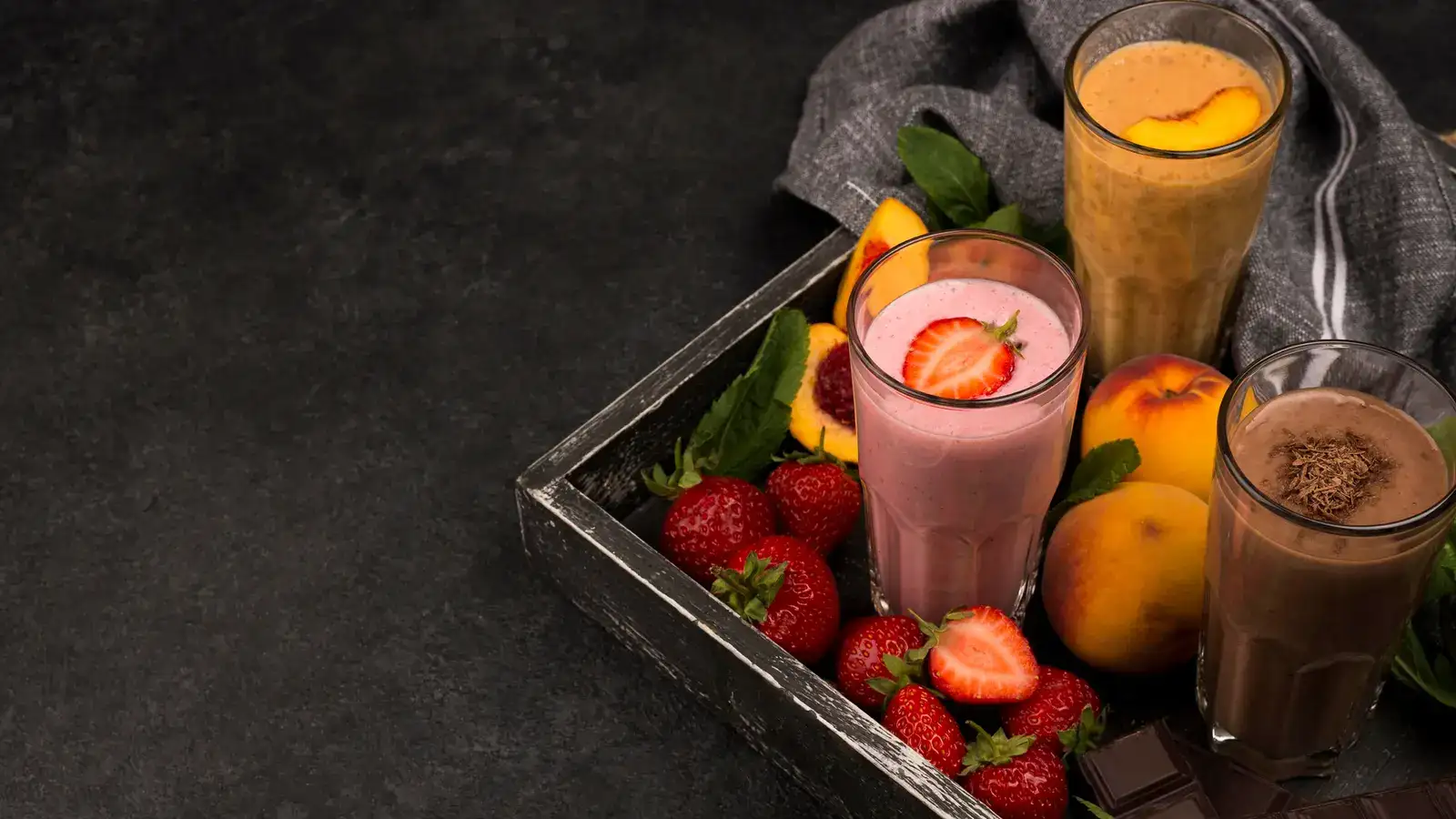
The answer lies in the ingredients and how the body processes them.
Smoothies, on the other hand, are often prepared with whole fruits, vegetables, yoghurt, or plant-based milk. They appear healthier because they contain natural ingredients, but that does not automatically make them diabetes-friendly.
Also Read: 5 Protein Shakes for Weight Loss: How They Help You Slim Down
When fruit is blended into a smoothie, its fibre structure is broken down. Although the fibre remains present, it no longer works in exactly the same way as in whole fruit. This allows natural sugars to be absorbed more quickly, potentially leading to a sudden rise in blood glucose levels.
A commercial milkshake is particularly problematic because it often contains refined sugar and high-calorie ingredients. This can trigger a rapid spike in blood sugar followed by an energy crash that leaves you feeling hungry again.
For people with diabetes, even a seemingly healthy fruit smoothie can result in an unexpected rise in blood sugar if it is not balanced properly.
Add protein and healthy fats: Include unsweetened protein powder, chia seeds, flaxseeds, almond butter, or avocado. These ingredients slow digestion and help stabilise blood sugar.
Choose more greens: Aim for a smoothie that contains mostly leafy greens and cucumbers, with only a small amount of low-glycaemic fruits such as berries or green apples.
Avoid added sugars: Skip honey, flavoured syrups, and sweetened yoghurt.
Try healthier shake alternatives: Instead of ice cream, blend unsweetened almond milk with ice and cocoa powder for a lower-sugar treat.
Also Read: Healthy Berry Spinach Avocado Smoothie For Weight Loss Breakfast
For better diabetes management , choose carefully balanced smoothies and enjoy classic milkshakes only occasionally.
Disclaimer: This article is for informational purposes only and should not be considered medical advice. Always consult your doctor or a qualified healthcare professional regarding dietary choices and diabetes management.
The answer lies in the ingredients and how the body processes them.
The Main Difference Between Shakes And Smoothies
Traditional milkshakes are usually made with milk, ice cream, flavoured syrups, and plenty of added sugar. This combination makes them rich in simple carbohydrates and saturated fats, both of which can negatively affect blood sugar management.Smoothies, on the other hand, are often prepared with whole fruits, vegetables, yoghurt, or plant-based milk. They appear healthier because they contain natural ingredients, but that does not automatically make them diabetes-friendly.
Also Read: 5 Protein Shakes for Weight Loss: How They Help You Slim Down
How Blending Affects Blood Sugar
Research suggests that the physical form of food can influence how quickly the body absorbs sugar. Studies comparing whole fruit, fruit puree, and fruit juice have found that the more processed the fruit becomes, the faster blood sugar levels rise.When fruit is blended into a smoothie, its fibre structure is broken down. Although the fibre remains present, it no longer works in exactly the same way as in whole fruit. This allows natural sugars to be absorbed more quickly, potentially leading to a sudden rise in blood glucose levels.
Why Liquid Calories Can Be Tricky
Another challenge with both shakes and smoothies is that liquid calories do not make you feel as full as solid foods. You can consume a large amount of sugar and calories in just a few minutes without realising it.A commercial milkshake is particularly problematic because it often contains refined sugar and high-calorie ingredients. This can trigger a rapid spike in blood sugar followed by an energy crash that leaves you feeling hungry again.
Are Smoothies Completely Safe?
Not necessarily. A smoothie packed with bananas, mangoes, dates, and honey may contain as much sugar as a dessert. Since the ingredients are blended, the body can absorb these sugars more quickly than expected.For people with diabetes, even a seemingly healthy fruit smoothie can result in an unexpected rise in blood sugar if it is not balanced properly.
How To Make A Diabetic-Friendly Smoothie
The good news is that smoothies do not have to be off limits. A few simple changes can make them a much better choice for blood sugar management.Add protein and healthy fats: Include unsweetened protein powder, chia seeds, flaxseeds, almond butter, or avocado. These ingredients slow digestion and help stabilise blood sugar.
Choose more greens: Aim for a smoothie that contains mostly leafy greens and cucumbers, with only a small amount of low-glycaemic fruits such as berries or green apples.
You may also like
- 5 powerful phrases every parent should use when a child is angry or rude
- Huge Returns on Bank FDs: These Small Finance Banks Offer Top Interest Rates of Up to 8.10%
- E20 Petrol News: Owners of older cars, will insurance cover engine damage caused by E20 fuel? Find out here.
- Exchanging cash for UPI transfers could prove costly; a single mistake might lead to your bank account being frozen.
- Train Luggage Rules: Know the luggage regulations before travelling by train to avoid potential fines.
Avoid added sugars: Skip honey, flavoured syrups, and sweetened yoghurt.
Try healthier shake alternatives: Instead of ice cream, blend unsweetened almond milk with ice and cocoa powder for a lower-sugar treat.
Also Read: Healthy Berry Spinach Avocado Smoothie For Weight Loss Breakfast
The Bottom Line
When comparing shakes vs smoothies , traditional milkshakes are usually the bigger culprit because of their high refined sugar and saturated fat content. However, fruit-heavy smoothies are not entirely innocent and can also trigger blood sugar spikes if they contain too much fruit and too little protein or fibre.For better diabetes management , choose carefully balanced smoothies and enjoy classic milkshakes only occasionally.
Disclaimer: This article is for informational purposes only and should not be considered medical advice. Always consult your doctor or a qualified healthcare professional regarding dietary choices and diabetes management.






More from our partners


Loving Newspoint? Download the app now
