
Eat Smart: Foods That Help Keep Your Kidneys Healthy

Your kidneys are among the hardest-working organs in your body. Every day, they filter waste, balance fluids, regulate minerals and help maintain healthy blood pressure. While staying hydrated and leading an active lifestyle are important, your daily diet also plays a major role in keeping your kidneys functioning well.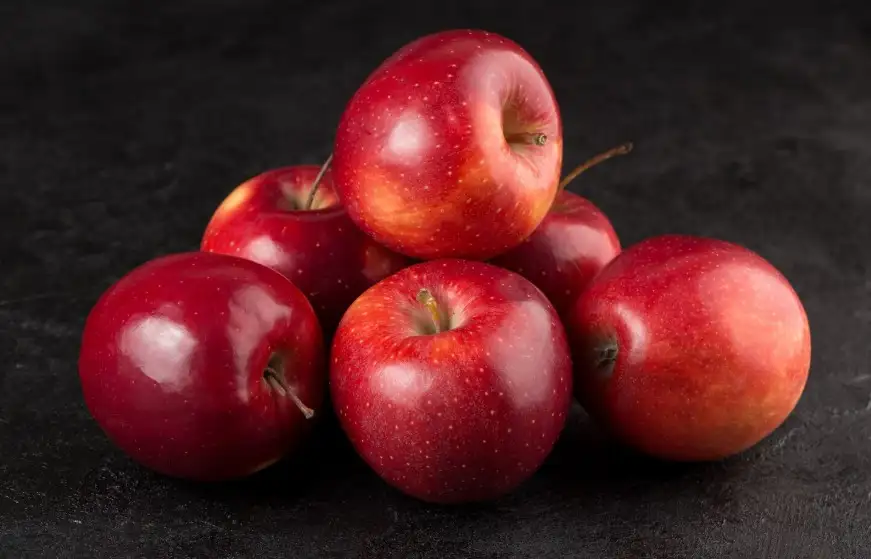
Including kidney-friendly foods in your meals can support overall kidney health and provide essential nutrients without putting unnecessary strain on these vital organs. Here are some foods that can naturally help support healthy kidneys.
Blueberries
Blueberries are known for their high antioxidant content, especially anthocyanins, which help protect the body from oxidative stress. They are also rich in vitamin C and fibre while being relatively low in minerals that may need monitoring in certain kidney conditions.
Red Bell Peppers
Red bell peppers are an excellent source of vitamins A, C and B6, along with antioxidants such as lycopene. They are naturally low in potassium compared to many other vegetables, making them a nutritious choice for maintaining kidney health.
Cabbage
Cabbage is rich in vitamins C and K, fibre and beneficial plant compounds. It is low in calories and provides antioxidants that may help protect cells from damage. It can be enjoyed raw in salads or cooked in a variety of dishes.
Olive Oil
Extra virgin olive oil provides heart-healthy monounsaturated fats and powerful antioxidants. Replacing saturated fats with olive oil can support cardiovascular health, which is closely linked to healthy kidney function.
Fatty Fish
Fish such as salmon, sardines and mackerel are rich in omega-3 fatty acids. These healthy fats help reduce inflammation and support heart health, which indirectly benefits the kidneys. Enjoy fatty fish in moderation as part of a balanced diet.
Egg Whites
Egg whites are an excellent source of high-quality protein while being lower in phosphorus than whole eggs. They are a suitable protein option for many people who need to manage their phosphorus intake under medical guidance.
Onion
Onions provide flavour, antioxidants and vitamin C while being naturally low in sodium. They can help reduce the need for salt in cooking, making meals healthier for both the kidneys and the heart.
Pineapple
Pineapple is a refreshing fruit rich in vitamin C, manganese and bromelain, an enzyme associated with digestive health. Compared to several tropical fruits, it contains less potassium, making it a popular kidney-friendly option for many individuals.
Healthy Eating Habits Matter Too
Along with choosing nutritious foods, maintaining kidney health involves limiting excessive salt, processed foods and sugary drinks. Drinking enough water, exercising regularly, managing blood pressure and controlling blood sugar levels can also help protect your kidneys over the long term.
No single food can guarantee healthy kidneys, but a balanced diet rich in fruits, vegetables, healthy fats and lean proteins can go a long way in supporting kidney function. If you have kidney disease or other medical conditions, always consult your healthcare provider or a registered dietitian before making significant dietary changes, as individual nutritional needs can vary.
Disclaimer: This article is for general informational purposes only and is not a substitute for professional medical advice, diagnosis or treatment. Always consult a qualified healthcare professional before making significant changes to your diet, especially if you have kidney disease or other health conditions.
Including kidney-friendly foods in your meals can support overall kidney health and provide essential nutrients without putting unnecessary strain on these vital organs. Here are some foods that can naturally help support healthy kidneys.
Apples
Apples are packed with fibre, vitamin C and antioxidants that help reduce inflammation and support overall health. They are naturally low in sodium, potassium and phosphorus, making them a kidney-friendly fruit for most people. Eating apples regularly may also help maintain healthy cholesterol and blood sugar levels.Blueberries
Blueberries are known for their high antioxidant content, especially anthocyanins, which help protect the body from oxidative stress. They are also rich in vitamin C and fibre while being relatively low in minerals that may need monitoring in certain kidney conditions. Cauliflower
Cauliflower is a nutritious vegetable loaded with vitamin C, vitamin K and fibre. It also contains compounds that support the body's natural detoxification process. Whether steamed, roasted or mashed, cauliflower is a versatile addition to a kidney-friendly diet.Garlic
Garlic adds flavour to meals without the need for extra salt. It contains natural compounds with anti-inflammatory and antioxidant properties, making it a healthier seasoning option for people looking to reduce sodium intake while supporting kidney health.Red Bell Peppers
Red bell peppers are an excellent source of vitamins A, C and B6, along with antioxidants such as lycopene. They are naturally low in potassium compared to many other vegetables, making them a nutritious choice for maintaining kidney health. Cabbage
Cabbage is rich in vitamins C and K, fibre and beneficial plant compounds. It is low in calories and provides antioxidants that may help protect cells from damage. It can be enjoyed raw in salads or cooked in a variety of dishes. Cranberries
Cranberries are widely recognised for supporting urinary tract health. They contain compounds that may help prevent certain bacteria from sticking to the urinary tract, reducing the risk of infections that can sometimes affect kidney health.You may also like
- Meet Tokio Nakano: The 81-year-old artist who turns rice paddies into giant works of art
- Isha Ambani champions Indian luxury at Manish Malhotra's historic Paris Haute Couture debut
- Dhamaal 4 Review | Tottal Dhamaal
- Why Am I Having Brown Discharge Between Periods?
- Manish Malhotra's 'Maa': Indian designer makes an emotional Paris Haute Couture debut
Olive Oil
Extra virgin olive oil provides heart-healthy monounsaturated fats and powerful antioxidants. Replacing saturated fats with olive oil can support cardiovascular health, which is closely linked to healthy kidney function. Fatty Fish
Fish such as salmon, sardines and mackerel are rich in omega-3 fatty acids. These healthy fats help reduce inflammation and support heart health, which indirectly benefits the kidneys. Enjoy fatty fish in moderation as part of a balanced diet. Egg Whites
Egg whites are an excellent source of high-quality protein while being lower in phosphorus than whole eggs. They are a suitable protein option for many people who need to manage their phosphorus intake under medical guidance. Onion
Onions provide flavour, antioxidants and vitamin C while being naturally low in sodium. They can help reduce the need for salt in cooking, making meals healthier for both the kidneys and the heart. Pineapple
Pineapple is a refreshing fruit rich in vitamin C, manganese and bromelain, an enzyme associated with digestive health. Compared to several tropical fruits, it contains less potassium, making it a popular kidney-friendly option for many individuals.Healthy Eating Habits Matter Too
Along with choosing nutritious foods, maintaining kidney health involves limiting excessive salt, processed foods and sugary drinks. Drinking enough water, exercising regularly, managing blood pressure and controlling blood sugar levels can also help protect your kidneys over the long term. No single food can guarantee healthy kidneys, but a balanced diet rich in fruits, vegetables, healthy fats and lean proteins can go a long way in supporting kidney function. If you have kidney disease or other medical conditions, always consult your healthcare provider or a registered dietitian before making significant dietary changes, as individual nutritional needs can vary.
Disclaimer: This article is for general informational purposes only and is not a substitute for professional medical advice, diagnosis or treatment. Always consult a qualified healthcare professional before making significant changes to your diet, especially if you have kidney disease or other health conditions.






Loving Newspoint? Download the app now
