
No Outdoor Play? No Problem: How to Keep Energetic Toddlers Productive and Happy at Home

The arrival of summer break brings an abundance of free time, but for parents of toddlers, it also introduces a unique set of daily challenges. Because extreme seasonal temperatures make midday outdoor parks and playgrounds entirely unsafe, children are forced to spend the majority of their time inside. Toddlers possess a natural reservoir of boundless energy and intense curiosity; without structured, engaging channels, this can quickly devolve into chronic boredom, screen-time dependency, or frequent temper tantrums. To maintain a peaceful household and support early childhood development, parents can lean into simple, creative, and highly effective indoor activities that transform long summer afternoons into meaningful learning-through-play opportunities.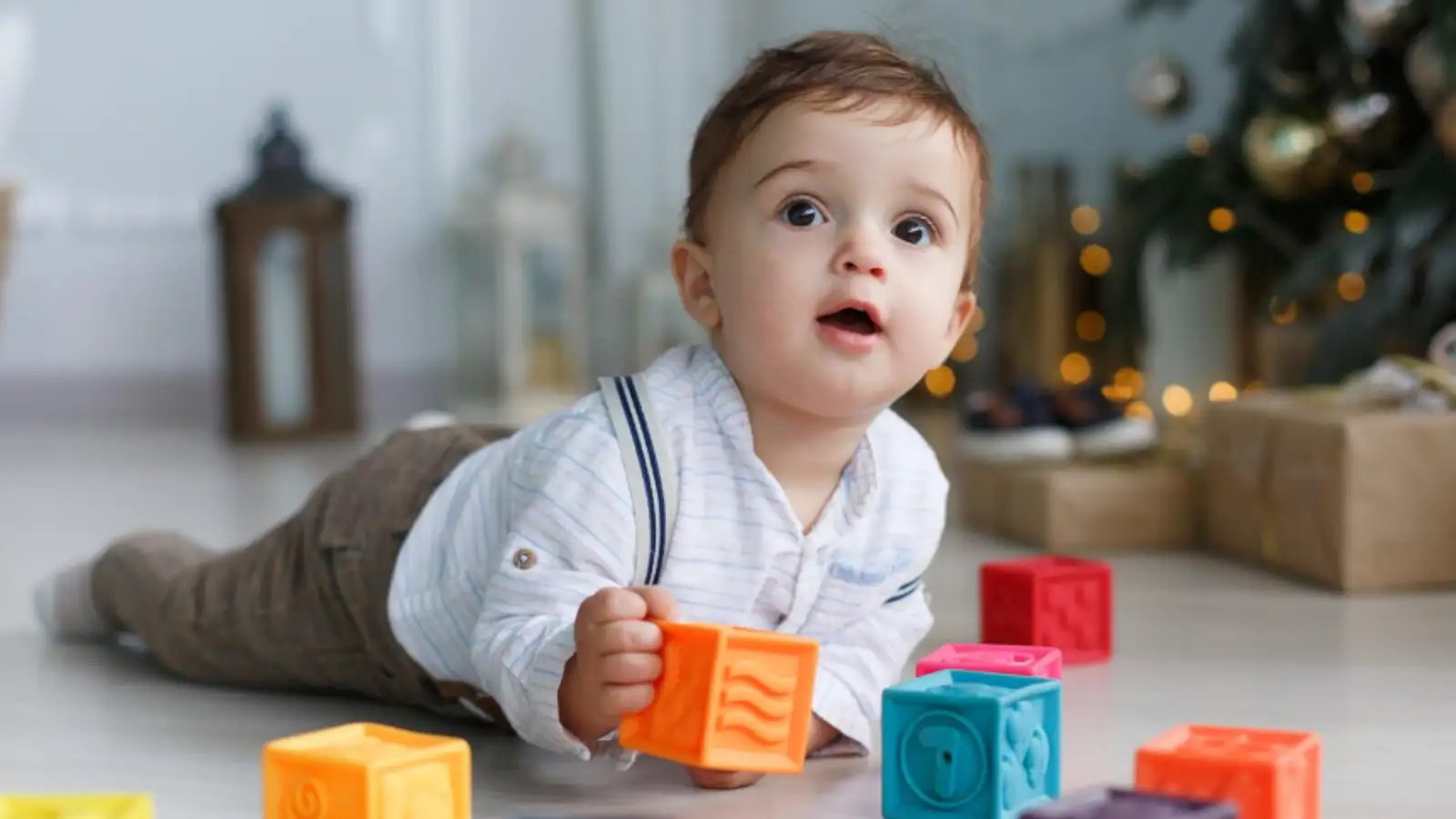
Here are eight simple at-home activities to keep toddlers happy and active this summer:
When household moods begin to dip, a spontaneous music and dance session can instantly reset the environment. Playing upbeat, kid-friendly rhythms and encouraging toddlers to clap their hands, jump, shake, and move their bodies is excellent for physical health. Dance promotes body awareness, cardiovascular movement, and serves as an immediate, joyful mood booster for both parents and children.
Here are eight simple at-home activities to keep toddlers happy and active this summer:
1. Sensory Water Play
Water play is universally loved by toddlers and serves as one of the most effective ways to keep them cool and concentrated. By filling a shallow plastic bin or bucket with water and supplying everyday household objects such as measuring cups, large plastic spoons, and floating toys parents can create an interactive sensory station. Pouring, scooping, and splashing not only keeps toddlers quietly engaged for long periods but also actively strengthens their fine motor skills and hand-eye coordination.You may also like
- Meet Lilyma Khan: Delhi's most famous chef who once picked trash, worked at a shoe factory to get one meal a day
- This temple in India is believed to have been built by ghosts overnight; 5 things travellers should know
- Diljit Dosanjh's homes are all about vintage warmth with old money luxury: Art inspirations to take away
- Prime Minister Sir Keir Starmer of UK announces historic social media ban for millions of teens under 16
- Meet the mysterious forest spirit that draws curious travellers to West Africa; most fascinating living traditions
2. Creative Coloring and Scribbling
Toddlers are natural explorers of texture and color. Providing them with thick crayons, non-toxic sketch pens, coloring books, or large sheets of plain paper allows them to freely express their imagination. Whether they are purposefully coloring inside shapes or simply scribbling across the page, this quiet-time activity refines their hand movements, builds grip strength, and gradually increases their active attention span.3. Building Blocks and Stacking Games
A classic staple of early childhood development, building blocks offer endless entertainment. The simple mathematical ritual of stacking blocks to construct a tall tower and the inevitable joy of knocking it down teaches toddlers basic principles of gravity, balance, and spatial awareness. It is a highly effective, low-prep game that fosters persistence and independent problem-solving.4. Interactive Story and Picture Book Time
Reading aloud remains one of the greatest vocabulary-building tools available. When introducing picture books, parents can elevate the experience by asking interactive questions about the illustrations, such as "where is the puppy?" or "what color is this ball?" Using animated vocal inflections, funny sound effects, and expressive facial structures transforms storytime into a vibrant language exercise that expands a toddler's speaking and comprehension skills.5. Custom Indoor Obstacle Courses
When physical energy needs to be expended productively, a safe indoor obstacle course is the perfect solution. Utilizing living room items like floor pillows, low cushions, soft toys, and sturdy chairs, parents can map out a gentle path. Encouraging a toddler to crawl under a chair, balance-walk across a pillow row, or zigzag around soft toys allows them to refine their gross motor movements and burning off physical energy safely away from the harsh sun.6. Creative Pretend Play
Imitative play is a major milestone in a toddler's cognitive growth. Simple setups where they get to play the role of a doctor, a kitchen chef, a school teacher, or a grocery store shopkeeper allow them to process the adult world creatively. Mimicking everyday adult behaviors through pretend play helps young children build essential social dynamics, emotional empathy, and early communication skills.
7. Rhythmic Music and Dance Sessions
When household moods begin to dip, a spontaneous music and dance session can instantly reset the environment. Playing upbeat, kid-friendly rhythms and encouraging toddlers to clap their hands, jump, shake, and move their bodies is excellent for physical health. Dance promotes body awareness, cardiovascular movement, and serves as an immediate, joyful mood booster for both parents and children. 8. Cognitive Sorting Games
Basic sorting exercises are wonderful for early analytical thinking. Parents can gather a mixed pile of colorful blocks, large plastic buttons, or safe household items and instruct their toddler to sort them into designated bowls based on color, size, or shape. This simple sorting process sharpens a child's observational skills, logical reasoning, and visual concentration.





More from our partners


Loving Newspoint? Download the app now
