
Smart Cool Roof Techniques: 5 Easy Ways to Keep Your House Cool in Summer Without AC

Smart Cool Roof Techniques are becoming increasingly important as temperatures continue to rise during intense summer heatwaves across India. When sunlight falls directly on an untreated concrete roof, the surface can become extremely hot, causing upper-floor rooms to trap heat throughout the day and night. This often forces families to rely heavily on air conditioners, leading to soaring electricity bills.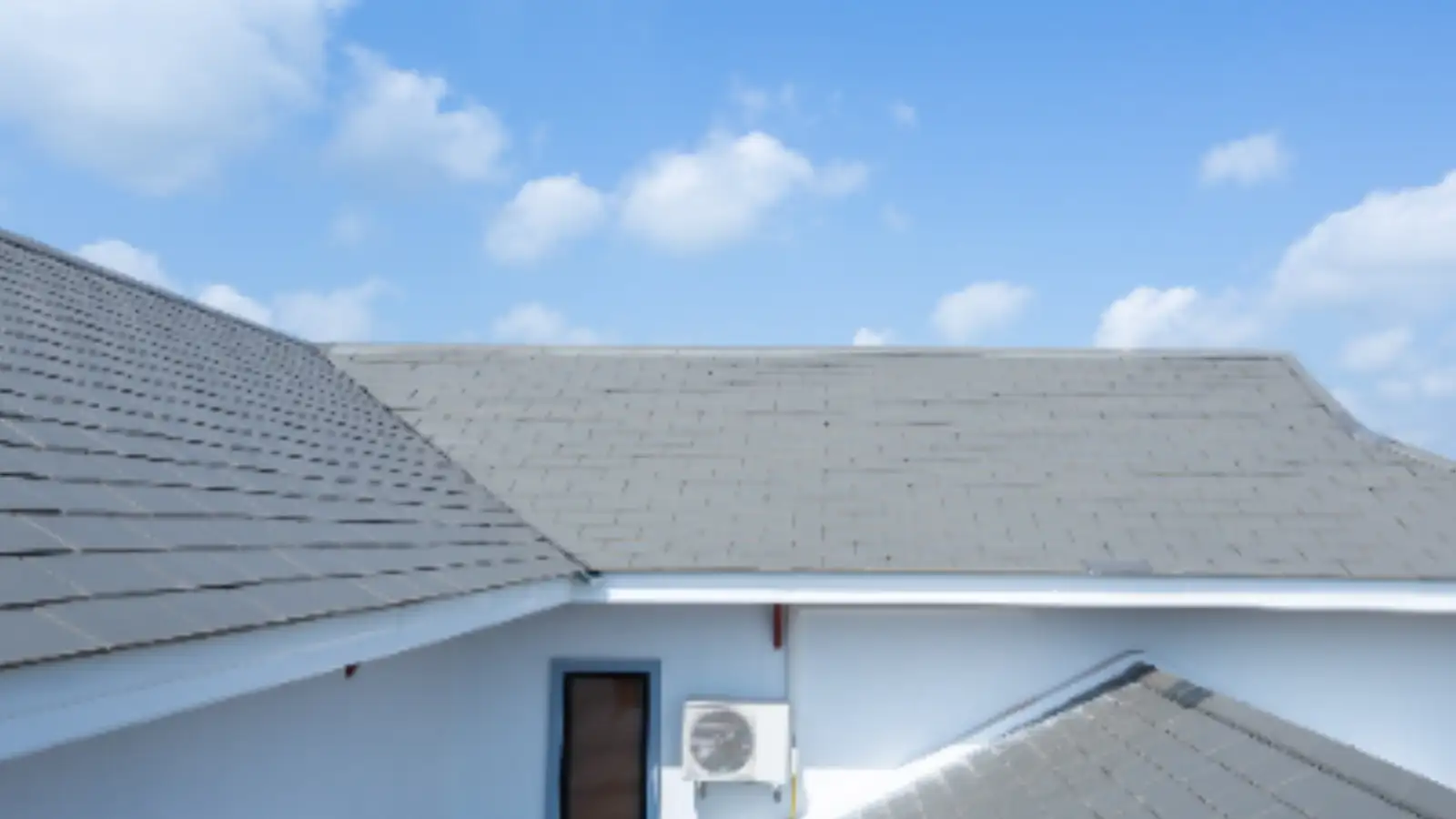
The good news is that simple roof-cooling methods can significantly reduce indoor heat and make homes naturally more comfortable. From reflective roof coatings to terrace gardens, these affordable and practical solutions can help lower indoor temperatures by several degrees without depending entirely on air conditioning.
Why Roof Cooling Matters During Extreme Heat
Concrete roofs absorb a massive amount of solar heat during the daytime. Once heated, the roof slowly transfers that warmth indoors, turning bedrooms and living spaces into uncomfortable heat traps. During peak summer conditions such as Nautapa and prolonged heatwaves, this heat buildup becomes even more severe.
By improving the roof’s ability to reflect sunlight and reduce heat absorption, homeowners can create a natural cooling barrier. Many cool roof solutions also help cut energy consumption and reduce long-term cooling costs.
1. Use White Reflective Cool Roof Paint
One of the easiest and most effective Smart Cool Roof Techniques is applying reflective white paint on the terrace surface. Dark or unfinished concrete absorbs most of the sun’s heat, while reflective coatings bounce sunlight away from the roof.
Special cool roof paints and elastomeric coatings are designed to reflect a large portion of solar radiation, helping the roof stay considerably cooler during the day.
How to Apply Reflective Roof Paint
For a budget-friendly option, homeowners can also use a lime wash coating mixed with adhesive. This traditional method offers temporary relief and helps reduce heat buildup on the roof surface.
2. Install Green Agro-Net Shade on the Terrace
Green agro-net shading is a quick and affordable solution, especially for tenants or people looking for a non-permanent cooling method. These high-density shade nets act as a protective layer that blocks direct sunlight before it reaches the concrete surface.
The gap between the terrace floor and the shade net allows hot air to circulate freely, preventing excessive heat accumulation.
Benefits of Agro-Net Shading
For better cooling, the shade net should be installed around 4 to 6 feet above the terrace using metal frames or existing structural supports.
3. Create a Terrace Garden for Natural Cooling
A rooftop garden is one of the most eco-friendly ways to reduce indoor heat naturally. Plants and soil work as natural insulators, preventing direct sunlight from heating the roof surface.
In addition, plants release moisture into the air through evapotranspiration, which helps cool the surrounding environment.
Tips for Building a Cooling Terrace Garden
A well-planned terrace garden not only lowers heat but also improves air quality and adds greenery to urban homes.
4. Try the Traditional Jute Bag Cooling Method
The classic jute sack cooling technique remains one of the cheapest and fastest ways to reduce roof heat during summer evenings. This method works on the principle of evaporative cooling.
When water evaporates from the wet jute bags, it absorbs heat from the concrete surface, helping cool the roof naturally.
How to Use Jute Bags for Roof Cooling
As the moisture evaporates, the trapped heat from the roof gets released, making indoor rooms noticeably cooler at night.
5. Install Heat Insulation Tiles for Long-Term Protection
If you are building a new house or renovating an existing terrace, installing heat-resistant insulation tiles can offer permanent relief from excessive heat. These specialised tiles are designed to reduce heat transfer and maintain lower roof temperatures throughout the day.
Advantages of Heat Insulation Tiles
Heat insulation tiles may involve a higher initial investment, but they provide long-term energy savings and better thermal comfort during harsh summers.
With rising temperatures and increasing electricity costs, Smart Cool Roof Techniques offer practical and affordable ways to keep homes naturally cooler. Whether it is reflective paint, shade nets, terrace gardening, jute bag cooling or insulation tiles, these simple solutions can make a noticeable difference during extreme summer heat.
By reducing heat absorption at the roof level, homeowners can enjoy a more comfortable indoor environment while lowering dependence on air conditioners and cutting electricity expenses.
The good news is that simple roof-cooling methods can significantly reduce indoor heat and make homes naturally more comfortable. From reflective roof coatings to terrace gardens, these affordable and practical solutions can help lower indoor temperatures by several degrees without depending entirely on air conditioning.
Why Roof Cooling Matters During Extreme Heat
Concrete roofs absorb a massive amount of solar heat during the daytime. Once heated, the roof slowly transfers that warmth indoors, turning bedrooms and living spaces into uncomfortable heat traps. During peak summer conditions such as Nautapa and prolonged heatwaves, this heat buildup becomes even more severe.
By improving the roof’s ability to reflect sunlight and reduce heat absorption, homeowners can create a natural cooling barrier. Many cool roof solutions also help cut energy consumption and reduce long-term cooling costs.
1. Use White Reflective Cool Roof Paint
One of the easiest and most effective Smart Cool Roof Techniques is applying reflective white paint on the terrace surface. Dark or unfinished concrete absorbs most of the sun’s heat, while reflective coatings bounce sunlight away from the roof.
Special cool roof paints and elastomeric coatings are designed to reflect a large portion of solar radiation, helping the roof stay considerably cooler during the day.
How to Apply Reflective Roof Paint
- Clean the terrace thoroughly before painting
- Remove dirt, moss and loose particles
- Apply two thick coats using a roller brush
- Choose waterproof reflective coatings for better durability
For a budget-friendly option, homeowners can also use a lime wash coating mixed with adhesive. This traditional method offers temporary relief and helps reduce heat buildup on the roof surface.
2. Install Green Agro-Net Shade on the Terrace
Green agro-net shading is a quick and affordable solution, especially for tenants or people looking for a non-permanent cooling method. These high-density shade nets act as a protective layer that blocks direct sunlight before it reaches the concrete surface.
The gap between the terrace floor and the shade net allows hot air to circulate freely, preventing excessive heat accumulation.
Benefits of Agro-Net Shading
- Reduces direct UV exposure
- Keeps terrace surfaces cooler
- Easy to install and remove
- Ideal for rented homes and apartments
For better cooling, the shade net should be installed around 4 to 6 feet above the terrace using metal frames or existing structural supports.
3. Create a Terrace Garden for Natural Cooling
A rooftop garden is one of the most eco-friendly ways to reduce indoor heat naturally. Plants and soil work as natural insulators, preventing direct sunlight from heating the roof surface.
In addition, plants release moisture into the air through evapotranspiration, which helps cool the surrounding environment.
Tips for Building a Cooling Terrace Garden
- Use grow bags, large pots or planter boxes
- Focus on areas above bedrooms and living rooms
- Ensure proper waterproofing before setup
- Water plants during early morning or evening hours
A well-planned terrace garden not only lowers heat but also improves air quality and adds greenery to urban homes.
4. Try the Traditional Jute Bag Cooling Method
The classic jute sack cooling technique remains one of the cheapest and fastest ways to reduce roof heat during summer evenings. This method works on the principle of evaporative cooling.
You may also like
- Silver Prices Surge Again Amid Global Tensions; Check Latest Rates in Your City
- Why emotional intelligence matters more than academic scores for kids
- Timeless by design: Movado marks 145 years of Swiss watchmaking
- How Maa Parvati's Curse Changed The World Forever
- How To Identify Your Skin Type In 60 Minutes
When water evaporates from the wet jute bags, it absorbs heat from the concrete surface, helping cool the roof naturally.
How to Use Jute Bags for Roof Cooling
- Spread old jute sacks across the terrace
- Wet them thoroughly in the late afternoon
- Allow the water to evaporate slowly during evening hours
As the moisture evaporates, the trapped heat from the roof gets released, making indoor rooms noticeably cooler at night.
5. Install Heat Insulation Tiles for Long-Term Protection
If you are building a new house or renovating an existing terrace, installing heat-resistant insulation tiles can offer permanent relief from excessive heat. These specialised tiles are designed to reduce heat transfer and maintain lower roof temperatures throughout the day.
Advantages of Heat Insulation Tiles
- Long-lasting cooling solution
- Low maintenance
- Helps reduce AC usage
- Improves overall indoor comfort
Heat insulation tiles may involve a higher initial investment, but they provide long-term energy savings and better thermal comfort during harsh summers.
With rising temperatures and increasing electricity costs, Smart Cool Roof Techniques offer practical and affordable ways to keep homes naturally cooler. Whether it is reflective paint, shade nets, terrace gardening, jute bag cooling or insulation tiles, these simple solutions can make a noticeable difference during extreme summer heat.
By reducing heat absorption at the roof level, homeowners can enjoy a more comfortable indoor environment while lowering dependence on air conditioners and cutting electricity expenses.






More from our partners


Loving Newspoint? Download the app now
