
Smart Plant Watering Tips Every Gardener Should Know

Watering plants may seem simple, but giving the right amount of water at the right time can make a huge difference in their growth and health. Overwatering and underwatering are two of the most common reasons plants struggle. With smart watering techniques, you can keep your plants fresh, green, and thriving while saving water.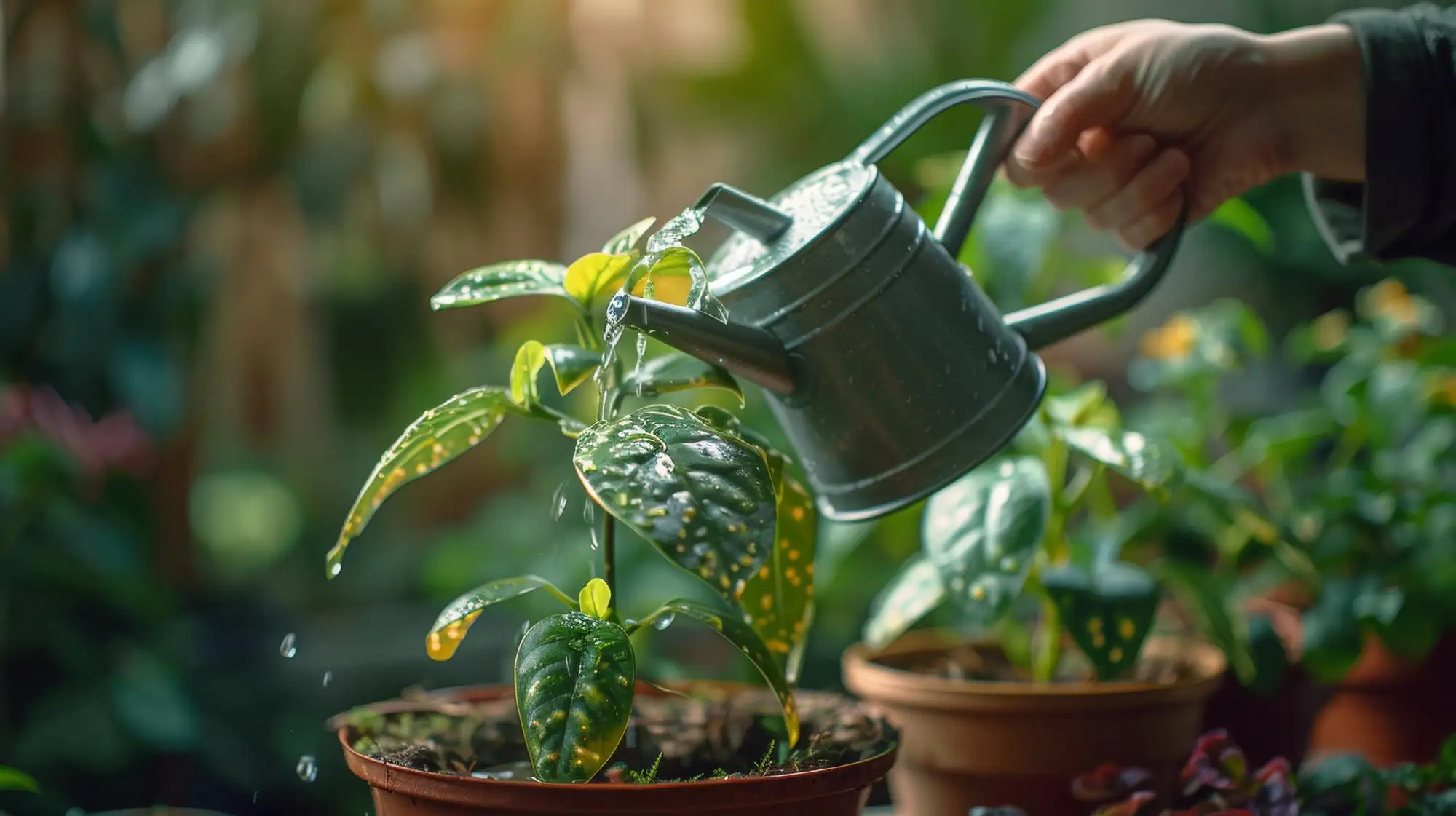
Understand Your Plant’s Water Needs
Every plant has different watering requirements. Tropical plants often enjoy moist soil, while succulents and desert plants need much less water. Before creating a watering routine, learn about your plant’s natural habitat and adjust your care accordingly.
Check the Soil Before Watering
Avoid watering plants on a fixed schedule without checking the soil. Insert your finger about an inch into the soil, if it feels dry, it is time to water. If it still feels damp, wait a few more days. This simple habit prevents unnecessary watering and protects roots from damage.
Water Deeply but Less Frequently
A deep watering encourages roots to grow stronger and reach further into the soil. Instead of lightly sprinkling water every day, water thoroughly until excess water drains from the pot. This helps plants develop a healthier root system and improves their ability to handle dry conditions.
Water at the Right Time
The best time to water plants is early morning when temperatures are cooler and water can reach the roots effectively. Evening watering can also work, but avoid keeping leaves wet overnight as it may encourage fungal problems.
Use the Right Watering Technique
Pour water slowly around the base of the plant rather than directly on leaves. This allows moisture to reach the roots where it is needed most. For indoor plants, use a watering can with a narrow spout to control the flow and avoid spills.
Add Mulch to Retain Moisture
Mulching is an effective way to keep soil moist for longer. Adding organic materials like dried leaves, compost, or bark around outdoor plants reduces water evaporation, keeps roots cooler, and improves soil quality over time.
Choose Proper Pots and Drainage
Good drainage is essential for healthy plants . Pots without drainage holes can trap excess water, leading to root rot. Use containers with proper drainage and choose soil mixes that allow air and moisture to move freely.
Consider Self-Watering Solutions
For busy plant owners, self-watering pots, drip irrigation systems, and moisture meters can make plant care easier. These tools provide consistent moisture and prevent plants from suffering due to irregular watering habits.
Adjust Watering with Seasons
Plants usually need more water during hot summers and less during colder months. During rainy seasons, reduce watering frequency to avoid waterlogged soil. Observing your plants regularly helps you understand their changing needs.
Avoid Common Watering Mistakes
Overwatering, watering at the wrong time, and ignoring drainage are common mistakes that can harm plants. Yellow leaves, mushy stems, and slow growth may indicate excess water, while dry soil and wilting leaves often signal dehydration.
Smart watering is about understanding your plants rather than following a strict routine. By checking soil moisture, watering deeply, improving drainage, and adapting to seasonal changes, you can create the perfect environment for healthy and beautiful plants. A little attention to watering habits can help your garden flourish all year round.
Understand Your Plant’s Water Needs
Every plant has different watering requirements. Tropical plants often enjoy moist soil, while succulents and desert plants need much less water. Before creating a watering routine, learn about your plant’s natural habitat and adjust your care accordingly. Check the Soil Before Watering
Avoid watering plants on a fixed schedule without checking the soil. Insert your finger about an inch into the soil, if it feels dry, it is time to water. If it still feels damp, wait a few more days. This simple habit prevents unnecessary watering and protects roots from damage.Water Deeply but Less Frequently
A deep watering encourages roots to grow stronger and reach further into the soil. Instead of lightly sprinkling water every day, water thoroughly until excess water drains from the pot. This helps plants develop a healthier root system and improves their ability to handle dry conditions. Water at the Right Time
The best time to water plants is early morning when temperatures are cooler and water can reach the roots effectively. Evening watering can also work, but avoid keeping leaves wet overnight as it may encourage fungal problems.You may also like
- SIP vs SSY: Where to invest for your daughter's future? Here is the full calculation for a ₹2,000 monthly investment.
- Innovative Mehendi Designs Inspired by Iconic Art Styles
- EPFO Transfers Interest to 34 Crore Accounts; Check If You've Received It – Here's the Process
- Psychology says nail biting is more than a bad habit, and the reason people do it may surprise you
- IIT Hyderabad Placements: 100% placement in two departments; students secure packages up to ₹90 lakh
Use the Right Watering Technique
Pour water slowly around the base of the plant rather than directly on leaves. This allows moisture to reach the roots where it is needed most. For indoor plants, use a watering can with a narrow spout to control the flow and avoid spills. Add Mulch to Retain Moisture
Mulching is an effective way to keep soil moist for longer. Adding organic materials like dried leaves, compost, or bark around outdoor plants reduces water evaporation, keeps roots cooler, and improves soil quality over time. Choose Proper Pots and Drainage
Good drainage is essential for healthy plants . Pots without drainage holes can trap excess water, leading to root rot. Use containers with proper drainage and choose soil mixes that allow air and moisture to move freely. Consider Self-Watering Solutions
For busy plant owners, self-watering pots, drip irrigation systems, and moisture meters can make plant care easier. These tools provide consistent moisture and prevent plants from suffering due to irregular watering habits.Adjust Watering with Seasons
Plants usually need more water during hot summers and less during colder months. During rainy seasons, reduce watering frequency to avoid waterlogged soil. Observing your plants regularly helps you understand their changing needs. Avoid Common Watering Mistakes
Overwatering, watering at the wrong time, and ignoring drainage are common mistakes that can harm plants. Yellow leaves, mushy stems, and slow growth may indicate excess water, while dry soil and wilting leaves often signal dehydration. Smart watering is about understanding your plants rather than following a strict routine. By checking soil moisture, watering deeply, improving drainage, and adapting to seasonal changes, you can create the perfect environment for healthy and beautiful plants. A little attention to watering habits can help your garden flourish all year round.






Loving Newspoint? Download the app now
