
Soya Chunks: Vegetarian or Non-Vegetarian? Know What They’re Made Of

If you have ever wondered are soya chunks veg or non-veg, the answer is simple: regular soya chunks are vegetarian and plant-based. Also called soya nuggets or meal makers, they are made mainly from defatted soy flour, a protein-rich ingredient left behind after oil is extracted from soybeans. Their chewy, meat-like texture comes from a food-processing technique called extrusion.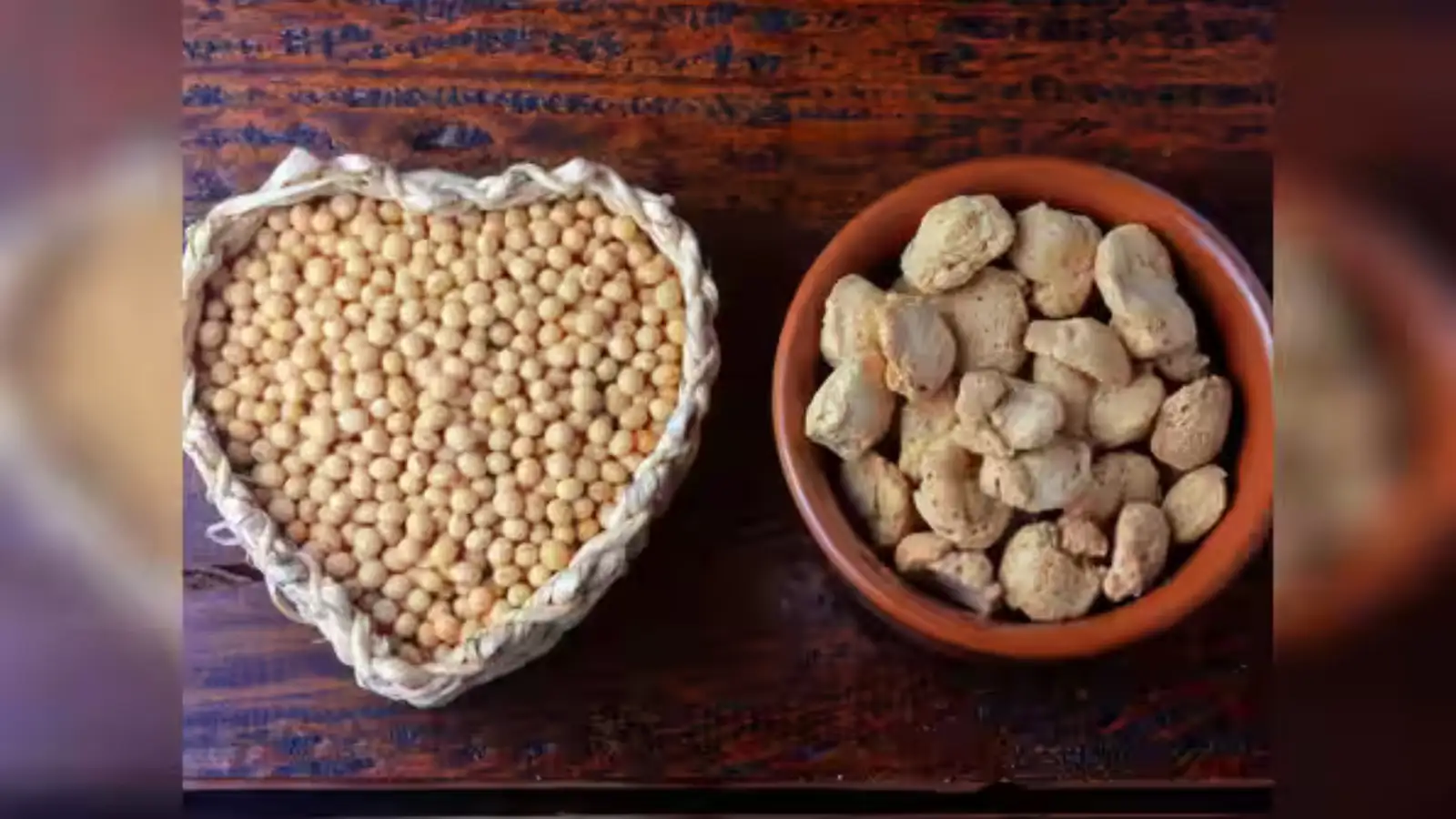
Soybeans first undergo cleaning and processing to remove impurities and their outer covering. The beans are then processed to separate the oil. This can be done through mechanical pressing or other industrial extraction methods.
Once the oil has been removed, the remaining soy material is rich in protein. It is finely ground to produce defatted soy flour, which becomes the main ingredient used to make soya chunks.
The solid material remaining after oil extraction is relatively high in protein and is processed further.
During extrusion, the structure of soy proteins changes and they form a fibrous structure. This gives soya chunks their familiar chewy and meat-like texture.
When you soak dry soya chunks in hot water, they take in moisture, expand and become softer and chewier. This transformation is what makes them suitable for curries, pulao, biryani, stir-fries and other dishes.
Once rehydrated, these fibres give the chunks a firm and chewy bite. Their relatively neutral flavour also allows them to absorb the spices, sauces and flavours used while cooking.
They are also commonly used as a protein-rich ingredient in vegetarian and vegan meals. However, if you are buying a flavoured or processed soya product, it is still sensible to check the ingredient label for any added ingredients.
Soybeans are used to produce several products. During processing, soybean oil can be extracted, while the protein-rich material left after oil removal can be used to make products such as soya chunks or meal makers.
This means the raw soybean is effectively being used to produce more than one valuable product.
Another factor is that dry soya chunks absorb a significant amount of water when soaked. A small quantity of dry chunks can therefore expand substantially and provide a much larger cooked serving.
From soybean oil extraction to protein-rich flour and finally extrusion, the manufacturing process transforms a relatively simple plant ingredient into the familiar nuggets found in kitchens across India.
What Are Soya Chunks Made Of ?
Soya chunks are not made by simply cutting whole soybeans into small pieces. They are generally produced using defatted soy flour, which is made from soybeans after most of their natural oil has been removed.Soybeans first undergo cleaning and processing to remove impurities and their outer covering. The beans are then processed to separate the oil. This can be done through mechanical pressing or other industrial extraction methods.
Once the oil has been removed, the remaining soy material is rich in protein. It is finely ground to produce defatted soy flour, which becomes the main ingredient used to make soya chunks.
How Are Soya Chunks Made?
The production of soya chunks involves several stages:1. Soybeans Are Cleaned
The soybeans are mechanically cleaned to remove unwanted materials such as dust, stones and other impurities. Their outer covering is also removed during processing.2. Soybean Oil Is Extracted
Soybeans naturally contain oil. During processing, this oil is separated from the beans, producing soybean oil as one of the useful products.The solid material remaining after oil extraction is relatively high in protein and is processed further.
3. Defatted Soy Flour Is Prepared
The remaining soy material is ground into a fine flour. This is known as defatted soy flour because much of the soybean's oil has already been extracted.4. The Flour Is Mixed With Water
The flour is combined with water to create a mixture with the moisture and consistency required for further processing.5. Extrusion Creates the Texture
This is the most important step in giving soya chunks their distinctive texture. The soy mixture is pushed through an extruder, where it is exposed to high temperature and pressure.During extrusion, the structure of soy proteins changes and they form a fibrous structure. This gives soya chunks their familiar chewy and meat-like texture.
6. The Mixture Is Shaped and Dried
As the processed soy mixture comes out of the extruder, specially designed dies shape it into chunks, nuggets and other forms. The pieces are then dried to remove excess moisture.Why Do Soya Chunks Look Porous When Dry?
The drying process leaves soya chunks lightweight and somewhat porous. This structure is important because it allows them to absorb water easily.When you soak dry soya chunks in hot water, they take in moisture, expand and become softer and chewier. This transformation is what makes them suitable for curries, pulao, biryani, stir-fries and other dishes.
Why Do Soya Chunks Taste and Feel Like Meat?
Soya chunks do not contain meat. Their meat-like quality mainly comes from their fibrous protein structure created during extrusion.Once rehydrated, these fibres give the chunks a firm and chewy bite. Their relatively neutral flavour also allows them to absorb the spices, sauces and flavours used while cooking.
Are Soya Chunks Vegetarian?
Yes, regular soya chunks are vegetarian because they are made from soybeans. Soybeans are legumes and a plant-based food.They are also commonly used as a protein-rich ingredient in vegetarian and vegan meals. However, if you are buying a flavoured or processed soya product, it is still sensible to check the ingredient label for any added ingredients.
You may also like
- Decoding Vaginal Itching and Burning: Expert Gynecologist Explains Causes, Symptoms, and Effective Relief
- Gas cylinder booking: 25 days for villages; when will it start for cities?
- Soft Lump on Baby's Head: Causes, Symptoms, Treatment, and Recovery
- Who is Neal Bakshi? Indian-origin author and US citizen claims he was detained after returning from holiday
- Government Introducing New Pension Scheme: Deposit When You Have Funds, Receive the Pension You Desire
Why Are Soya Chunks Relatively Affordable?
The price of whole soybeans and soya chunks cannot be compared directly because they are different processed products.Soybeans are used to produce several products. During processing, soybean oil can be extracted, while the protein-rich material left after oil removal can be used to make products such as soya chunks or meal makers.
This means the raw soybean is effectively being used to produce more than one valuable product.
Another factor is that dry soya chunks absorb a significant amount of water when soaked. A small quantity of dry chunks can therefore expand substantially and provide a much larger cooked serving.
Soya Chunks: From Soybean to Meat-Like Bites
So, are soya chunks veg or non-veg? Regular soya chunks are vegetarian and plant-based. They are primarily made from defatted soy flour, and their distinctive chewy texture is created through heat-and-pressure extrusion rather than by adding meat.From soybean oil extraction to protein-rich flour and finally extrusion, the manufacturing process transforms a relatively simple plant ingredient into the familiar nuggets found in kitchens across India.






Loving Newspoint? Download the app now
