
Best Summer Foods to Keep Your Body Cool, Hydrated, and Healthy

Summer brings longer days, bright sunshine, and outdoor activities, but rising temperatures can also put stress on the human body. During hot weather, the body loses more water through sweating, making hydration and nutrition more important than ever. While drinking enough water is essential, the foods we eat can also play a major role in helping the body stay cool and refreshed. Many fruits, vegetables, and traditional summer foods contain high water content, important minerals, and nutrients that support the body during extreme heat. Choosing the right foods during summer can improve energy levels, support digestion, and help prevent heat-related discomfort.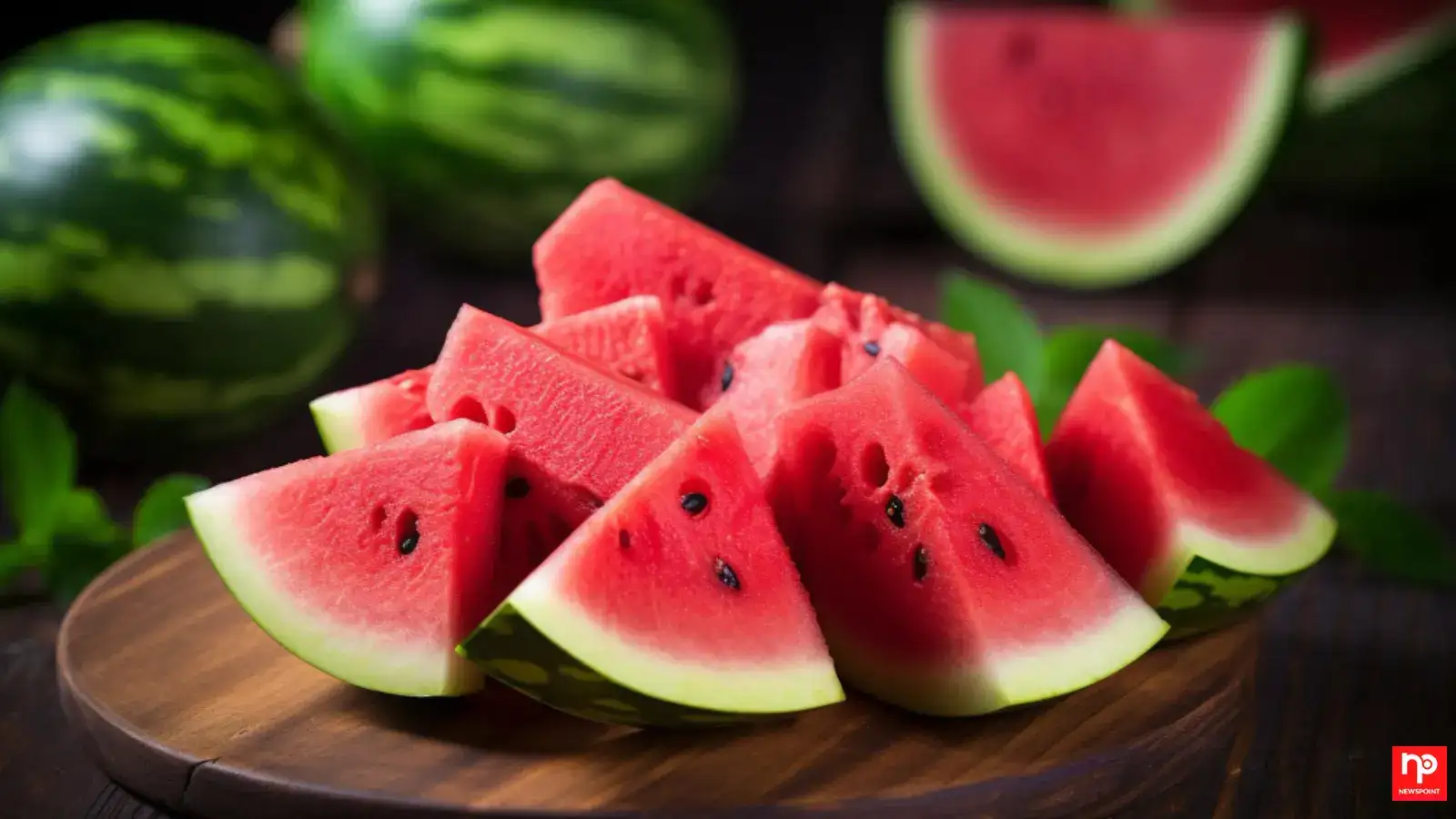
Eating foods that contain water, minerals, and cooling nutrients can support the body’s natural cooling system. A summer-friendly diet does not only focus on reducing hunger; it also helps maintain hydration and overall wellbeing.
Traditional diets in many hot regions around the world have long included cooling foods designed to support the body during warm seasons.
Apart from water, watermelon provides vitamins and antioxidants that support general health. Its natural sweetness also makes it a healthier alternative to many sugary summer drinks.
Many people enjoy watermelon chilled, but it can also be added to salads or blended into refreshing beverages.
Adding cucumber to salads, sandwiches, or yoghurt-based dishes can help increase fluid intake through food. It also provides small amounts of vitamins and minerals that support the body.
In many cultures, cucumber-based dishes are popular during hot weather because they are considered refreshing and easy to digest.
In India, traditional yoghurt-based drinks such as Lassi have been enjoyed for generations as a refreshing summer beverage.
Yoghurt can also be combined with fruits, herbs, or vegetables to create cooling meals that are both nutritious and satisfying.
Lemon water is one of the simplest summer drinks, helping people increase fluid intake while adding flavour. Citrus fruits also contain natural plant compounds that support overall health.
However, it is better to consume whole fruits rather than relying only on sweetened juices, as whole fruits provide more fibre.
For people spending time outdoors or exercising in warm conditions, coconut water can be a refreshing option alongside regular water intake.
However, like all foods and drinks, it should be consumed as part of a balanced diet.
During hot weather, many people naturally prefer lighter meals. Salads, vegetable-based dishes, and lightly cooked foods can feel easier to digest compared with heavy meals.
Another interesting choice is fennel seeds, which are commonly consumed after meals in some regions because of their refreshing flavour.
Foods like melons, tomatoes, and leafy greens also contribute to hydration because of their naturally high water content.
A balanced summer diet can support energy levels, improve comfort during hot days, and help the body cope with environmental stress.
Why Food Choices Matter During Summer
When temperatures increase, the body works harder to maintain its normal internal temperature. Sweating is one of the natural ways the body cools itself, but excessive sweating can lead to the loss of fluids and electrolytes such as sodium and potassium.Eating foods that contain water, minerals, and cooling nutrients can support the body’s natural cooling system. A summer-friendly diet does not only focus on reducing hunger; it also helps maintain hydration and overall wellbeing.
Traditional diets in many hot regions around the world have long included cooling foods designed to support the body during warm seasons.
Watermelon: A Summer Hydration Favourite
Watermelon is one of the most popular summer fruits, and for good reason. It contains a very high percentage of water, making it an excellent choice for staying hydrated.Apart from water, watermelon provides vitamins and antioxidants that support general health. Its natural sweetness also makes it a healthier alternative to many sugary summer drinks.
Many people enjoy watermelon chilled, but it can also be added to salads or blended into refreshing beverages.
Cucumbers Help Maintain Hydration
Cucumbers are another excellent summer food because of their high water content. They are light, refreshing, and easy to include in everyday meals.Adding cucumber to salads, sandwiches, or yoghurt-based dishes can help increase fluid intake through food. It also provides small amounts of vitamins and minerals that support the body.
In many cultures, cucumber-based dishes are popular during hot weather because they are considered refreshing and easy to digest.
Yoghurt and Traditional Cooling Foods
Yoghurt has been a part of summer diets in many countries for centuries. It contains beneficial bacteria that support digestion and provides protein and calcium.In India, traditional yoghurt-based drinks such as Lassi have been enjoyed for generations as a refreshing summer beverage.
Yoghurt can also be combined with fruits, herbs, or vegetables to create cooling meals that are both nutritious and satisfying.
Citrus Fruits for Refreshment and Vitamin Support
Citrus fruits such as oranges, lemons, and grapefruits are popular during summer because of their refreshing taste and vitamin C content.Lemon water is one of the simplest summer drinks, helping people increase fluid intake while adding flavour. Citrus fruits also contain natural plant compounds that support overall health.
However, it is better to consume whole fruits rather than relying only on sweetened juices, as whole fruits provide more fibre.
Coconut Water: Nature’s Electrolyte Drink
Coconut water has become increasingly popular as a natural summer beverage. It contains electrolytes, including potassium, which help replace some minerals lost through sweating.For people spending time outdoors or exercising in warm conditions, coconut water can be a refreshing option alongside regular water intake.
However, like all foods and drinks, it should be consumed as part of a balanced diet.
You may also like
- Diego Maradona: The Football Legend Who Captivated India
- Akshay Kumar Advocates for Lifelong Work Over Retirement
- Micro Review: 7 Breaths to Slimming by Namita Jain
- Meet the Pakistani designer behind Karan Aujla's wedding looks
- Why do airlines turn off cabin lights before takeoff and landing: The safety reason every traveller should know
Leafy Vegetables and Light Summer Meals
Leafy vegetables such as lettuce, spinach, and other greens can be useful additions to a summer diet. They contain water, vitamins, minerals, and fibre.During hot weather, many people naturally prefer lighter meals. Salads, vegetable-based dishes, and lightly cooked foods can feel easier to digest compared with heavy meals.
Lesser-Known Summer Cooling Foods
One lesser-known summer-friendly food is mint. This herb has traditionally been used in many cultures to add freshness to drinks and meals.Another interesting choice is fennel seeds, which are commonly consumed after meals in some regions because of their refreshing flavour.
Foods like melons, tomatoes, and leafy greens also contribute to hydration because of their naturally high water content.
Why Summer Nutrition Matters Today
With rising global temperatures and increasingly frequent heatwaves, maintaining proper hydration and nutrition has become more important. Extreme heat can affect people of all ages, particularly children, older adults, and those who spend long hours outdoors.A balanced summer diet can support energy levels, improve comfort during hot days, and help the body cope with environmental stress.






More from our partners


Loving Newspoint? Download the app now
