
Stay Hydrated Naturally With These Traditional Foods

Staying hydrated is essential for overall health, but drinking water alone isn’t the only way to maintain fluid balance in the body. Traditional diets across the world have long included naturally hydrating foods that not only provide water but also essential electrolytes, vitamins, and minerals to support hydration. These foods help retain moisture, prevent dehydration, and offer additional health benefits. From juicy fruits and cooling vegetables to age-old herbal drinks, traditional hydration-rich foods have stood the test of time. Incorporating them into your diet can be a delicious and natural way to stay refreshed and energised throughout the day.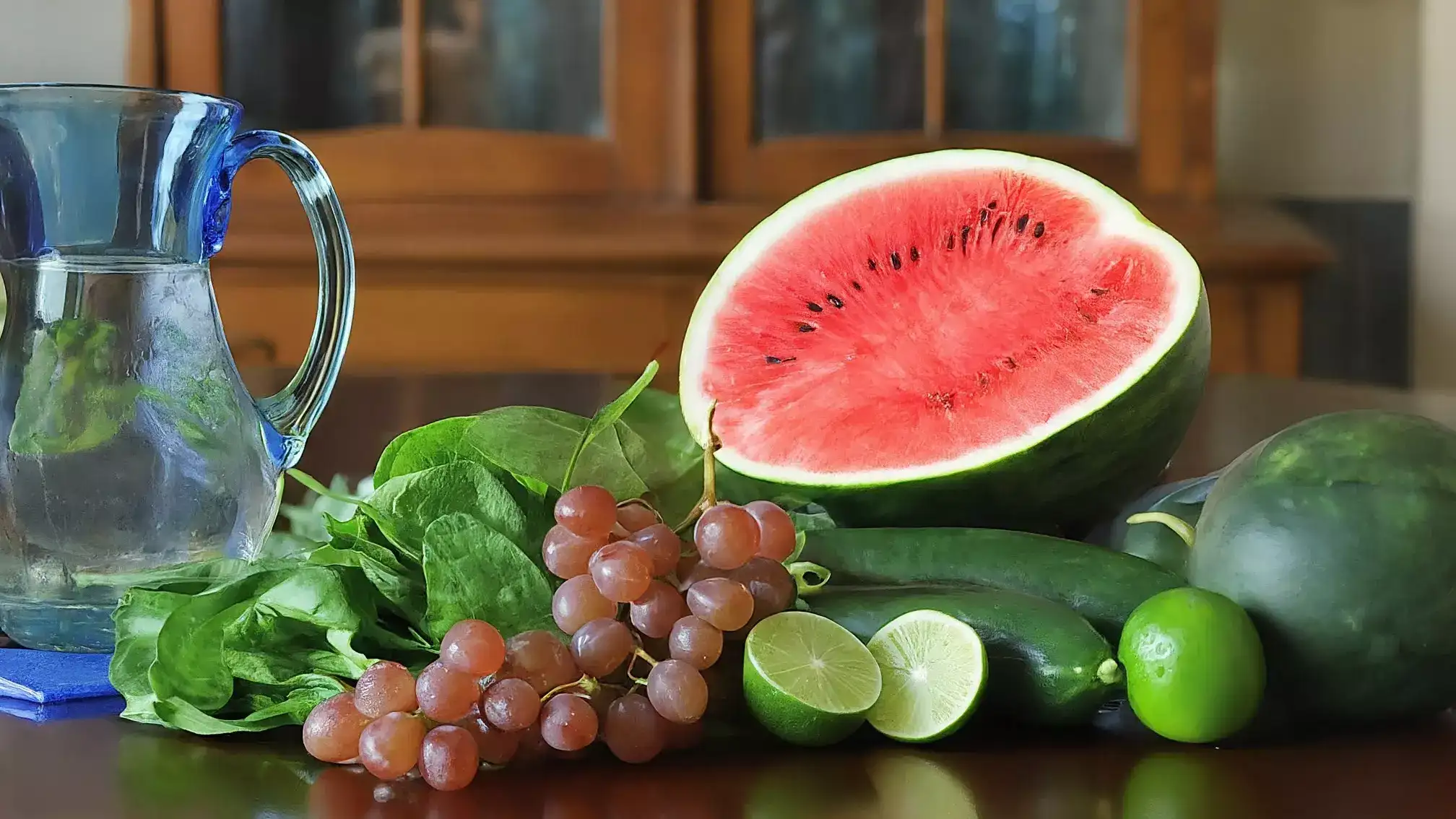
Hydration-Packed Fruits From Traditional Diets
Fruits have always been a major source of hydration in traditional diets. Watermelon, which contains over 90% water, has been a summer staple in many cultures, helping to cool the body and provide natural sugars for energy. Cucumbers, often eaten raw or in salads, are another hydrating option that has been widely used in Asian and Mediterranean diets. Citrus fruits like oranges and lemons are not only refreshing but also rich in electrolytes such as potassium, which helps regulate hydration levels. Coconut, consumed in tropical regions for centuries, provides coconut water—a natural electrolyte-rich drink perfect for rehydration.
Cooling Vegetables For Hydration And Nutrition
Traditional diets often emphasise the consumption of hydrating vegetables to maintain body temperature and prevent dehydration. Leafy greens such as spinach and lettuce contain high amounts of water and are commonly used in summer meals. Tomatoes, found in Mediterranean and Indian diets, are filled with water and antioxidants that support hydration and skin health. Bottle gourd, widely used in Indian cuisine, is another excellent hydrating vegetable often cooked in curries or made into a refreshing juice. Radishes, commonly included in Asian and European diets, have high water content and provide a crisp, cooling effect when eaten raw.
Fermented Drinks And Herbal Infusions
Fermented beverages have been part of traditional diets for centuries, not only for their probiotic benefits but also for hydration. Buttermilk, known as 'chaas' in India, is a cooling drink made from yoghurt and water, often spiced with cumin and mint to aid digestion and hydration. Kvass, a fermented drink from Eastern Europe, is another example of a traditional beverage that keeps the body refreshed. Herbal teas made from hibiscus, chamomile, and mint have been used across various cultures to provide hydration while offering additional health benefits such as improved digestion and relaxation.
Traditional Soups And Hydrating Broths
Soups and broths have long been a key part of traditional diets, especially in regions with hot climates. Bone broths, commonly consumed in Asian and Middle Eastern cuisines, not only provide hydration but also essential minerals that help balance fluids in the body. Light vegetable soups made with hydrating ingredients like tomatoes, cucumbers, and gourds are a popular choice in many cultures. Cold soups such as Spanish gazpacho, made with tomatoes and cucumbers, are a great way to stay hydrated while enjoying a delicious meal. These soups help maintain hydration while providing vital nutrients.
Grains And Hydration-Boosting Traditional Meals
Certain grains used in traditional diets also contribute to better hydration. Barley, widely consumed in Middle Eastern and Indian cuisines, is known for its cooling properties and is often made into barley water, a refreshing drink that aids in hydration. Rice, a staple in Asian diets, is often consumed with large amounts of water or broth, making it easier for the body to retain fluids. Millet-based porridge, a traditional meal in African and Indian cultures, is another hydrating dish that provides essential nutrients while helping maintain fluid balance.
Natural Hydration Boosters With Nuts And Seeds
Nuts and seeds may not seem hydrating, but they play a significant role in fluid retention and electrolyte balance. Soaked almonds, a common practice in Indian households, help the body absorb nutrients while keeping it hydrated. Chia seeds, used by the Aztecs and Mayans, absorb water and form a gel-like consistency, helping the body retain fluids for longer periods. Flaxseeds and basil seeds, often added to drinks in traditional diets, provide similar benefits and are known for their cooling effects. These seeds can be mixed with water or milk to create a natural, hydrating energy drink.
Cooling Dairy-Based Hydration Foods
Dairy products have been part of traditional diets for centuries and can also support hydration. Yoghurt, widely consumed in Mediterranean, Indian, and Middle Eastern diets, has a high water content and provides probiotics that help digestion and nutrient absorption. Lassi, a yoghurt-based drink popular in India, is a refreshing and hydrating choice, especially in hot weather. In many cultures, fresh cheese varieties such as cottage cheese are consumed with fruits and vegetables to provide a balanced and hydrating meal.
Hydrating Sweet Treats In Traditional Cuisines
Many traditional desserts also contain hydration-boosting ingredients. Fruit-based sweets such as mango pudding in Asian cuisines or fruit salads with honey in Middle Eastern cultures provide both natural sugars and hydration. Water-based desserts like kulfi (Indian ice cream) or aloe vera jelly, commonly found in East Asian cuisine, offer a refreshing treat while keeping the body cool. Traditional rice-based puddings, often made with milk and lightly sweetened, are another way to incorporate hydrating ingredients into a delicious dish.
Hydration is essential for overall health, and while drinking water is the most obvious solution, traditional diets have long included foods that naturally support fluid balance. From water-rich fruits and vegetables to hydrating soups, dairy products, and fermented drinks, these age-old foods not only quench thirst but also provide essential nutrients for overall well-being. Incorporating these traditional hydration-friendly foods into your daily diet can help you stay refreshed, energised, and nourished naturally. Whether it’s a glass of coconut water, a bowl of chilled soup, or a yoghurt-based drink, traditional hydration solutions continue to be both effective and delicious.
Hydration-Packed Fruits From Traditional Diets
Fruits have always been a major source of hydration in traditional diets. Watermelon, which contains over 90% water, has been a summer staple in many cultures, helping to cool the body and provide natural sugars for energy. Cucumbers, often eaten raw or in salads, are another hydrating option that has been widely used in Asian and Mediterranean diets. Citrus fruits like oranges and lemons are not only refreshing but also rich in electrolytes such as potassium, which helps regulate hydration levels. Coconut, consumed in tropical regions for centuries, provides coconut water—a natural electrolyte-rich drink perfect for rehydration.
Cooling Vegetables For Hydration And Nutrition
Traditional diets often emphasise the consumption of hydrating vegetables to maintain body temperature and prevent dehydration. Leafy greens such as spinach and lettuce contain high amounts of water and are commonly used in summer meals. Tomatoes, found in Mediterranean and Indian diets, are filled with water and antioxidants that support hydration and skin health. Bottle gourd, widely used in Indian cuisine, is another excellent hydrating vegetable often cooked in curries or made into a refreshing juice. Radishes, commonly included in Asian and European diets, have high water content and provide a crisp, cooling effect when eaten raw.
Fermented Drinks And Herbal Infusions
Fermented beverages have been part of traditional diets for centuries, not only for their probiotic benefits but also for hydration. Buttermilk, known as 'chaas' in India, is a cooling drink made from yoghurt and water, often spiced with cumin and mint to aid digestion and hydration. Kvass, a fermented drink from Eastern Europe, is another example of a traditional beverage that keeps the body refreshed. Herbal teas made from hibiscus, chamomile, and mint have been used across various cultures to provide hydration while offering additional health benefits such as improved digestion and relaxation.
Traditional Soups And Hydrating Broths
Soups and broths have long been a key part of traditional diets, especially in regions with hot climates. Bone broths, commonly consumed in Asian and Middle Eastern cuisines, not only provide hydration but also essential minerals that help balance fluids in the body. Light vegetable soups made with hydrating ingredients like tomatoes, cucumbers, and gourds are a popular choice in many cultures. Cold soups such as Spanish gazpacho, made with tomatoes and cucumbers, are a great way to stay hydrated while enjoying a delicious meal. These soups help maintain hydration while providing vital nutrients.
You may also like
- Quote of the day by Henry Ford: "When everything seems to be going against you, remember that the airplane takes off against the wind, not with it"; the unexpected hidden travel wisdom
- Japan's 'Human Fridge' could be the future of 'Summer Tourism'; would you step into a refrigerator while travelling?
- Arpita Mehta Launches Stunning Couture Collection at Hyundai India Couture Week 2026
- Government Imposes Sugar Stock Limits from August 1: New Rules to Curb Hoarding and Stabilize Prices
- Meet Anahat Singh, the Gen Z star who created history for India with a world squash title
Grains And Hydration-Boosting Traditional Meals
Certain grains used in traditional diets also contribute to better hydration. Barley, widely consumed in Middle Eastern and Indian cuisines, is known for its cooling properties and is often made into barley water, a refreshing drink that aids in hydration. Rice, a staple in Asian diets, is often consumed with large amounts of water or broth, making it easier for the body to retain fluids. Millet-based porridge, a traditional meal in African and Indian cultures, is another hydrating dish that provides essential nutrients while helping maintain fluid balance.
Natural Hydration Boosters With Nuts And Seeds
Nuts and seeds may not seem hydrating, but they play a significant role in fluid retention and electrolyte balance. Soaked almonds, a common practice in Indian households, help the body absorb nutrients while keeping it hydrated. Chia seeds, used by the Aztecs and Mayans, absorb water and form a gel-like consistency, helping the body retain fluids for longer periods. Flaxseeds and basil seeds, often added to drinks in traditional diets, provide similar benefits and are known for their cooling effects. These seeds can be mixed with water or milk to create a natural, hydrating energy drink.
Cooling Dairy-Based Hydration Foods
Dairy products have been part of traditional diets for centuries and can also support hydration. Yoghurt, widely consumed in Mediterranean, Indian, and Middle Eastern diets, has a high water content and provides probiotics that help digestion and nutrient absorption. Lassi, a yoghurt-based drink popular in India, is a refreshing and hydrating choice, especially in hot weather. In many cultures, fresh cheese varieties such as cottage cheese are consumed with fruits and vegetables to provide a balanced and hydrating meal.
Hydrating Sweet Treats In Traditional Cuisines
Many traditional desserts also contain hydration-boosting ingredients. Fruit-based sweets such as mango pudding in Asian cuisines or fruit salads with honey in Middle Eastern cultures provide both natural sugars and hydration. Water-based desserts like kulfi (Indian ice cream) or aloe vera jelly, commonly found in East Asian cuisine, offer a refreshing treat while keeping the body cool. Traditional rice-based puddings, often made with milk and lightly sweetened, are another way to incorporate hydrating ingredients into a delicious dish.
Hydration is essential for overall health, and while drinking water is the most obvious solution, traditional diets have long included foods that naturally support fluid balance. From water-rich fruits and vegetables to hydrating soups, dairy products, and fermented drinks, these age-old foods not only quench thirst but also provide essential nutrients for overall well-being. Incorporating these traditional hydration-friendly foods into your daily diet can help you stay refreshed, energised, and nourished naturally. Whether it’s a glass of coconut water, a bowl of chilled soup, or a yoghurt-based drink, traditional hydration solutions continue to be both effective and delicious.






Loving Newspoint? Download the app now
