
Is Street Food Safe In Rainy Season? Here’s What You Need To Know

The monsoon season brings cooler weather, fresh rains and an undeniable craving for hot, spicy street food. From crispy fritters to tangy chaats, roadside snacks become even more appealing when it is raining outside.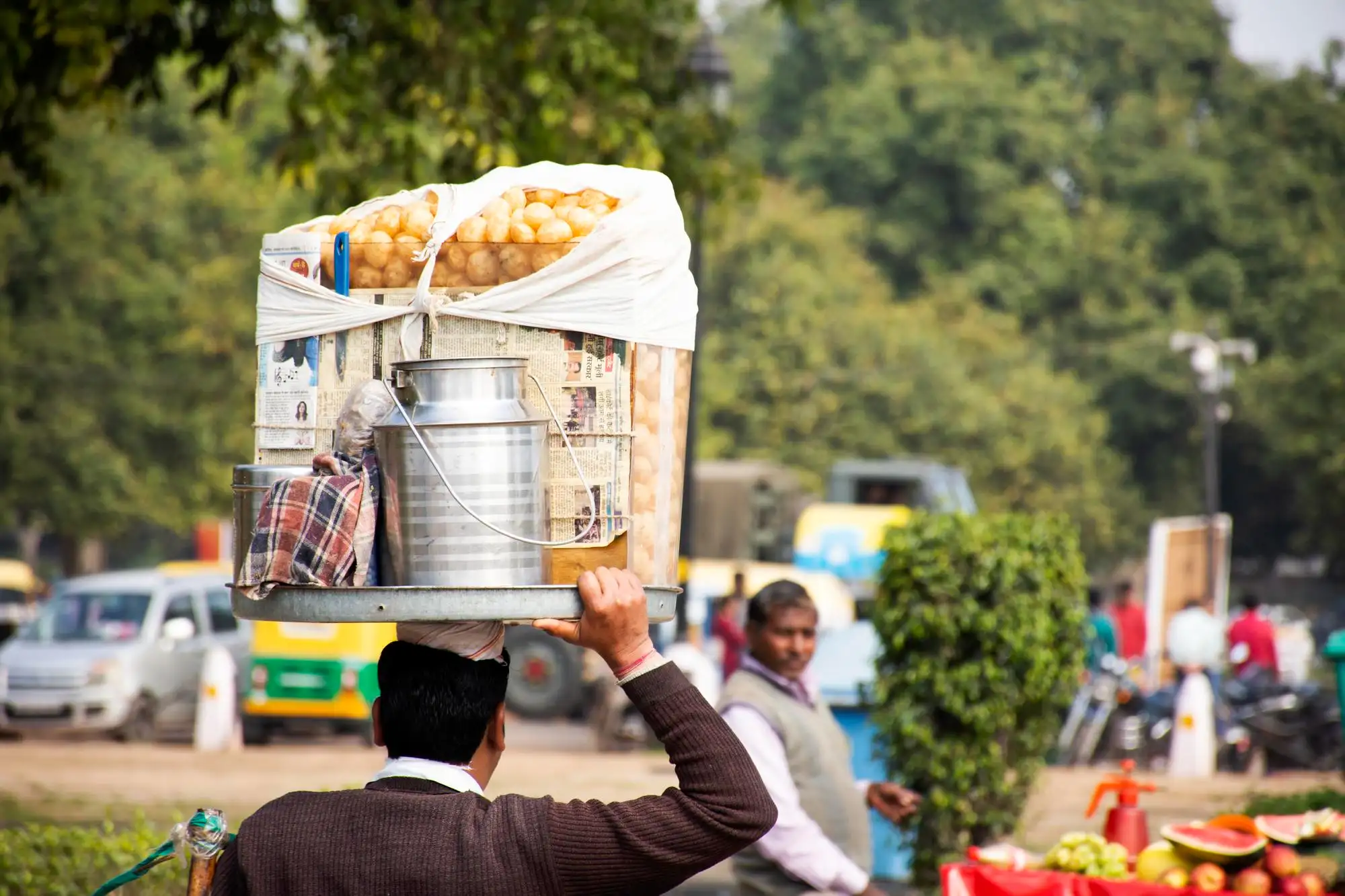
However, this is also the time when food hygiene becomes more important than ever. Moisture, stagnant water and high humidity can increase the chances of bacterial growth and contamination in street food.
Knowing what to eat and what to avoid can help you enjoy the season without compromising your health.
Water used in preparation may also not always be safe, which increases the risk of stomach infections and waterborne diseases.
Also Read: 7 Cosy Monsoon Beverages To Sip Beyond Ginger Tea
Cut fruits sold on the roadside
Pre-cut fruits may be exposed to dust, flies and unclean water.
Raw salads and sprouts
These are often washed in untreated water and kept open for long periods.
Pani puri or golgappa water-based snacks
If hygiene is questionable, the water used in these snacks can be a major source of infection.
Uncovered chutneys and sauces
Chutneys left open for long hours may attract insects and bacteria.
Dairy-based street desserts
Items like kulfi or milk-based sweets can spoil quickly in humid conditions if not stored properly.
Also Read: 8 Delicious Beetroot Recipes to Enjoy This Monsoon for Better Health and Taste
However, this is also the time when food hygiene becomes more important than ever. Moisture, stagnant water and high humidity can increase the chances of bacterial growth and contamination in street food.
Knowing what to eat and what to avoid can help you enjoy the season without compromising your health.
Why Monsoon Increases Food Risks
During the rainy season, food spoils faster due to high humidity. Fresh ingredients like cut fruits, chutneys and salads are more likely to get contaminated if they are exposed to open environments.Water used in preparation may also not always be safe, which increases the risk of stomach infections and waterborne diseases.
Also Read: 7 Cosy Monsoon Beverages To Sip Beyond Ginger Tea
Foods You Should Avoid During Monsoon
Some street foods are best avoided during this season due to higher contamination risk.Cut fruits sold on the roadside
Pre-cut fruits may be exposed to dust, flies and unclean water.
Raw salads and sprouts
These are often washed in untreated water and kept open for long periods.
Pani puri or golgappa water-based snacks
If hygiene is questionable, the water used in these snacks can be a major source of infection.
Uncovered chutneys and sauces
Chutneys left open for long hours may attract insects and bacteria.
Dairy-based street desserts
Items like kulfi or milk-based sweets can spoil quickly in humid conditions if not stored properly.
Also Read: 8 Delicious Beetroot Recipes to Enjoy This Monsoon for Better Health and Taste
Street Foods That Are Generally Safer
While caution is important, you do not have to avoid street food completely. Freshly cooked, hot items are usually safer to consume.Next Story