
Is Street Food Safe During Monsoon? Health Risks and Safety Tips

For many people, monsoon and street food go hand in hand. The sight of sizzling pakoras, steaming momos, roasted corn and spicy chaat becomes even more tempting when it rains. While enjoying these treats is part of the season's charm, the rainy months also bring a higher risk of foodborne illnesses. Increased humidity, contaminated water and improper food handling can allow harmful bacteria to multiply much faster than usual. This does not mean you must completely avoid street food during monsoon. Instead, making informed choices about where, what and how you eat can help you enjoy your favourite snacks while reducing the risk of falling ill.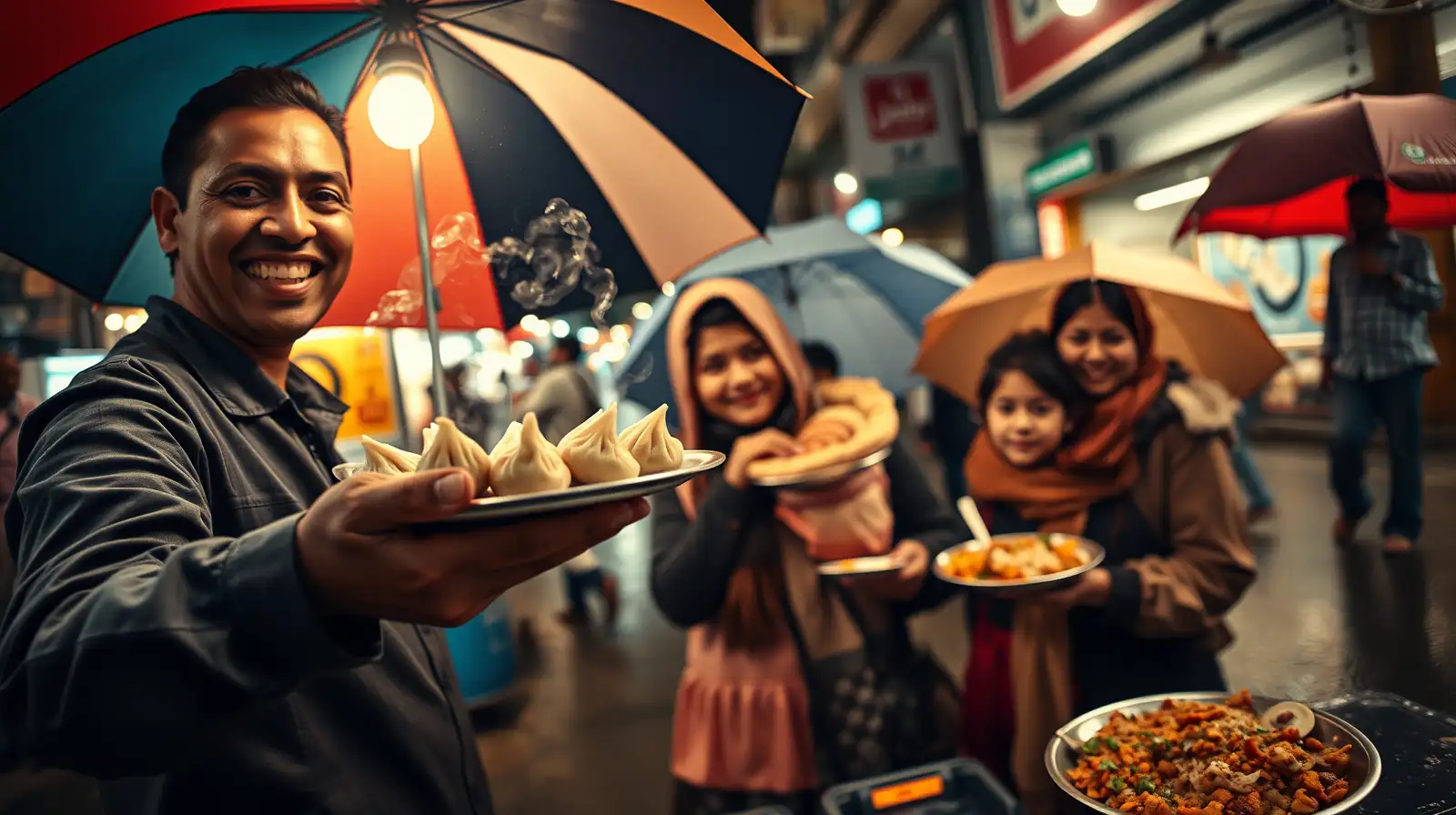
Street food stalls often operate in open environments where food is exposed to dust, insects and rainwater. If ingredients are not stored properly or utensils are not cleaned regularly, the risk of contamination rises significantly.
Foods prepared using untreated water, such as chutneys, salads and flavoured drinks, can pose an even greater health risk during this season.
Roasted corn, freshly grilled kebabs, steamed idlis and hot dosas are generally better choices than foods that have been sitting uncovered for hours. Tea and coffee prepared with boiling water are also considered relatively safe.
On the other hand, raw salads, cut fruits, pani puri water and dishes made with uncooked ingredients should be approached with caution, especially if hygiene standards appear questionable.
Pay attention to whether the vendor uses clean utensils, covers food properly and maintains good personal hygiene. Gloves are helpful, but frequent handwashing is even more important.
Avoid stalls located near overflowing drains, stagnant water or heavy traffic, as these environments increase the likelihood of contamination.
Another surprising fact is that ice used in drinks can sometimes pose a greater risk than the drink itself if it has been made using unsafe water. This is why health experts often recommend avoiding beverages with ice from unknown sources during monsoon.
Food poisoning symptoms do not always appear immediately. In some cases, nausea, vomiting or diarrhoea may develop several hours after eating contaminated food.
With growing awareness of hygiene and nutrition, consumers are increasingly looking for vendors who prioritise cleanliness and safe food preparation. Choosing hygienic stalls not only protects your health but also encourages better food safety standards within the community.
Why Street Food Can Be Riskier During Monsoon
The rainy season creates ideal conditions for bacteria, viruses and fungi to thrive. Waterlogging, poor drainage and damp weather can increase the chances of food becoming contaminated before it even reaches the vendor.Street food stalls often operate in open environments where food is exposed to dust, insects and rainwater. If ingredients are not stored properly or utensils are not cleaned regularly, the risk of contamination rises significantly.
Foods prepared using untreated water, such as chutneys, salads and flavoured drinks, can pose an even greater health risk during this season.
Which Street Foods Are Generally Safer?
Not all street food carries the same level of risk. Freshly cooked items served piping hot are usually safer because high temperatures destroy many harmful microorganisms.Roasted corn, freshly grilled kebabs, steamed idlis and hot dosas are generally better choices than foods that have been sitting uncovered for hours. Tea and coffee prepared with boiling water are also considered relatively safe.
On the other hand, raw salads, cut fruits, pani puri water and dishes made with uncooked ingredients should be approached with caution, especially if hygiene standards appear questionable.
How to Choose a Hygienic Food Stall
One of the easiest ways to reduce the risk is to observe the vendor before ordering. A busy stall with a high customer turnover often serves fresher food because ingredients are replenished frequently.Pay attention to whether the vendor uses clean utensils, covers food properly and maintains good personal hygiene. Gloves are helpful, but frequent handwashing is even more important.
You may also like
- EPFO: Mutual Fund or PF? EPFO reveals which is the more beneficial choice..
- Big relief for central government employees! Now, the CGHS pensioner card can be generated in a jiffy via the 'Bhavishya' portal..
- ISRO Offers Internship Opportunities to Students; Find Out Who Can Apply
- Made a mistake while filing your ITR? The Income Tax Department offers a second chance to rectify errors; here is the process..
- Chanakya Niti: These four things are more important than position and prestige, Chanakya had told the mantra of a happy life
Avoid stalls located near overflowing drains, stagnant water or heavy traffic, as these environments increase the likelihood of contamination.
Lesser-Known Facts About Monsoon Food Safety
Many people assume spicy food kills bacteria, but this is a misconception. Chillies may add heat and flavour, but they cannot make contaminated food safe to eat.Another surprising fact is that ice used in drinks can sometimes pose a greater risk than the drink itself if it has been made using unsafe water. This is why health experts often recommend avoiding beverages with ice from unknown sources during monsoon.
Food poisoning symptoms do not always appear immediately. In some cases, nausea, vomiting or diarrhoea may develop several hours after eating contaminated food.
Why It Matters Today
Street food is an important part of India's food culture and supports millions of small vendors across the country. At the same time, seasonal changes make food safety more important than ever.With growing awareness of hygiene and nutrition, consumers are increasingly looking for vendors who prioritise cleanliness and safe food preparation. Choosing hygienic stalls not only protects your health but also encourages better food safety standards within the community.






Loving Newspoint? Download the app now
