
Teaspoon (tsp) vs Tablespoon (tbsp): Key Differences Every Home Cook Must Know

Whether you’re a beginner or a seasoned home cook, understanding the difference between a teaspoon (tsp) and a tablespoon (tbsp) is essential for getting recipes right. These two common kitchen measurements may look similar, but using one in place of the other can drastically change flavour, texture, and consistency. Knowing how to measure correctly is a basic yet powerful cooking skill.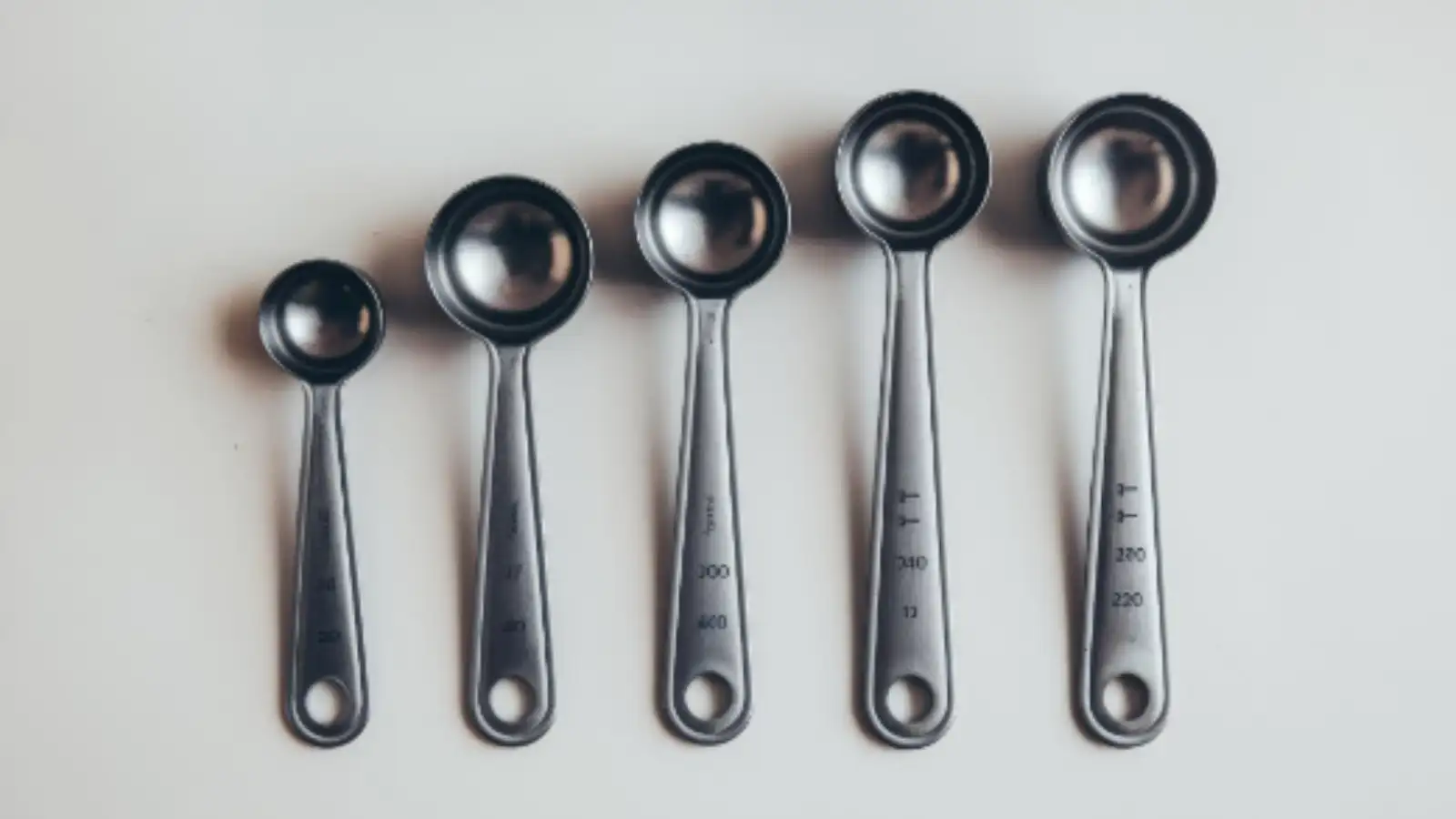
In simple terms, 1 tablespoon equals 3 teaspoons. This difference is critical in cooking and baking. Adding a tablespoon instead of a teaspoon of spice, salt, or baking powder can overpower a dish or ruin its balance completely.
Teaspoons are commonly used for:
Tablespoons are used for:
In baking especially, confusing tsp and tbsp can affect the chemical reactions that make cakes rise or cookies hold their shape.
A regular “tablespoon” from your drawer could hold anywhere between 10 ml and 20 ml, which can throw off an entire recipe. Proper measuring spoons are designed to ensure:
This small technique helps maintain balance and prevents overpowering flavours.
Some older or international recipes may use slightly different standards. For highly precise baking, using a digital kitchen scale for grams and millilitres eliminates all guesswork.
Chef’s Tip for Perfect Measurements
According to Chef Gautam Kumar, 'Measure is extremely important and in certain dishes totally unavoidable. One should always keep in mind the following.
1. Do not keep changing your measuring spoons, this creates disbalance and might impact the dish.
2. Never use substitutes in baking. A tablespoon can never be substituted with 2 teaspoons.
3. Avoid plastic spoons if possible and invest in good quality measuring spoons.'
Understanding the difference between teaspoon and tablespoon measurements is not just about following recipes - it’s about mastering flavour and consistency. With the right tools and techniques, even simple dishes can turn out perfectly balanced every time. Accurate measuring is one of the easiest ways to cook smarter and better.
Teaspoon vs Tablespoon : What’s the Actual Difference?
At a glance, a teaspoon and tablespoon may appear almost identical, but their capacity tells a very different story.- 1 teaspoon (tsp) = 5 millilitres
- 1 tablespoon (tbsp) = 15 millilitres
In simple terms, 1 tablespoon equals 3 teaspoons. This difference is critical in cooking and baking. Adding a tablespoon instead of a teaspoon of spice, salt, or baking powder can overpower a dish or ruin its balance completely.
Why Accurate Measurements Matter in Cooking
Precise measurements ensure consistency, which is why professional kitchens rely on standard measuring tools. Even at home, accuracy helps you recreate the same taste every time.Teaspoons are commonly used for:
- Spices and dried herbs
- Salt in small quantities
- Baking powder or baking soda
- Vanilla essence
Tablespoons are used for:
- Oil and butter
- Sugar, honey, or syrups
- Sauces and condiments
- Nut butters and spreads
In baking especially, confusing tsp and tbsp can affect the chemical reactions that make cakes rise or cookies hold their shape.
Why Regular Cutlery Can Ruin a Recipe
One of the most common mistakes home cooks make is using everyday spoons instead of measuring spoons. Table cutlery is not standardised - some spoons are deeper, wider, or flatter than others.A regular “tablespoon” from your drawer could hold anywhere between 10 ml and 20 ml, which can throw off an entire recipe. Proper measuring spoons are designed to ensure:
- Every teaspoon has the same volume
- Every tablespoon is exactly three times larger
- Results remain consistent every time
Level vs Heaped Spoons: A Small Detail With Big Impact
Most recipes assume level measurements, not heaped ones. A heaped teaspoon or tablespoon can add 30–50% more of an ingredient, especially dry items like flour, sugar, or spices.- Dry ingredients: Fill the spoon and level it off with a knife or fingertip
- Liquids: Fill up to the rim without spilling
This small technique helps maintain balance and prevents overpowering flavours.
You may also like
- David Hockney: Celebrated British Artist Passes Away at 88
- Mixed Reactions to Alpha Teaser: A Blend of Praise and Criticism
- African proverb of the day: “It is difficult for two long-nosed lovers to kiss.”
- Mastering the Art of White Elephant Gift Exchanges
- Why the Empire State Building should top every traveller's New York itinerary in America's milestone year
Metric vs International Measurement Differences
While most modern recipes follow the metric system:- 1 tablespoon = 15 ml
- 1 teaspoon = 5 ml
Some older or international recipes may use slightly different standards. For highly precise baking, using a digital kitchen scale for grams and millilitres eliminates all guesswork.
Chef’s Tip for Perfect Measurements
According to Chef Gautam Kumar, 'Measure is extremely important and in certain dishes totally unavoidable. One should always keep in mind the following.
1. Do not keep changing your measuring spoons, this creates disbalance and might impact the dish.
2. Never use substitutes in baking. A tablespoon can never be substituted with 2 teaspoons.
3. Avoid plastic spoons if possible and invest in good quality measuring spoons.'
Understanding the difference between teaspoon and tablespoon measurements is not just about following recipes - it’s about mastering flavour and consistency. With the right tools and techniques, even simple dishes can turn out perfectly balanced every time. Accurate measuring is one of the easiest ways to cook smarter and better.






More from our partners


Loving Newspoint? Download the app now
