
Why Eating Local and Seasonal Produce Is Better for Your Health and the Planet

Supermarkets today offer fruits and vegetables from almost every corner of the world, regardless of the season. While this convenience has transformed the way people shop, it has also distanced many consumers from the natural rhythm of food production. Increasingly, nutrition experts, chefs and environmentalists are encouraging people to choose local and seasonal produce whenever possible. Freshly harvested fruits and vegetables often deliver better flavour, support local farming communities and reduce the environmental impact of transporting food over long distances. In a world where sustainable living is becoming more important than ever, eating locally and seasonally is emerging as one of the simplest yet most meaningful choices people can make.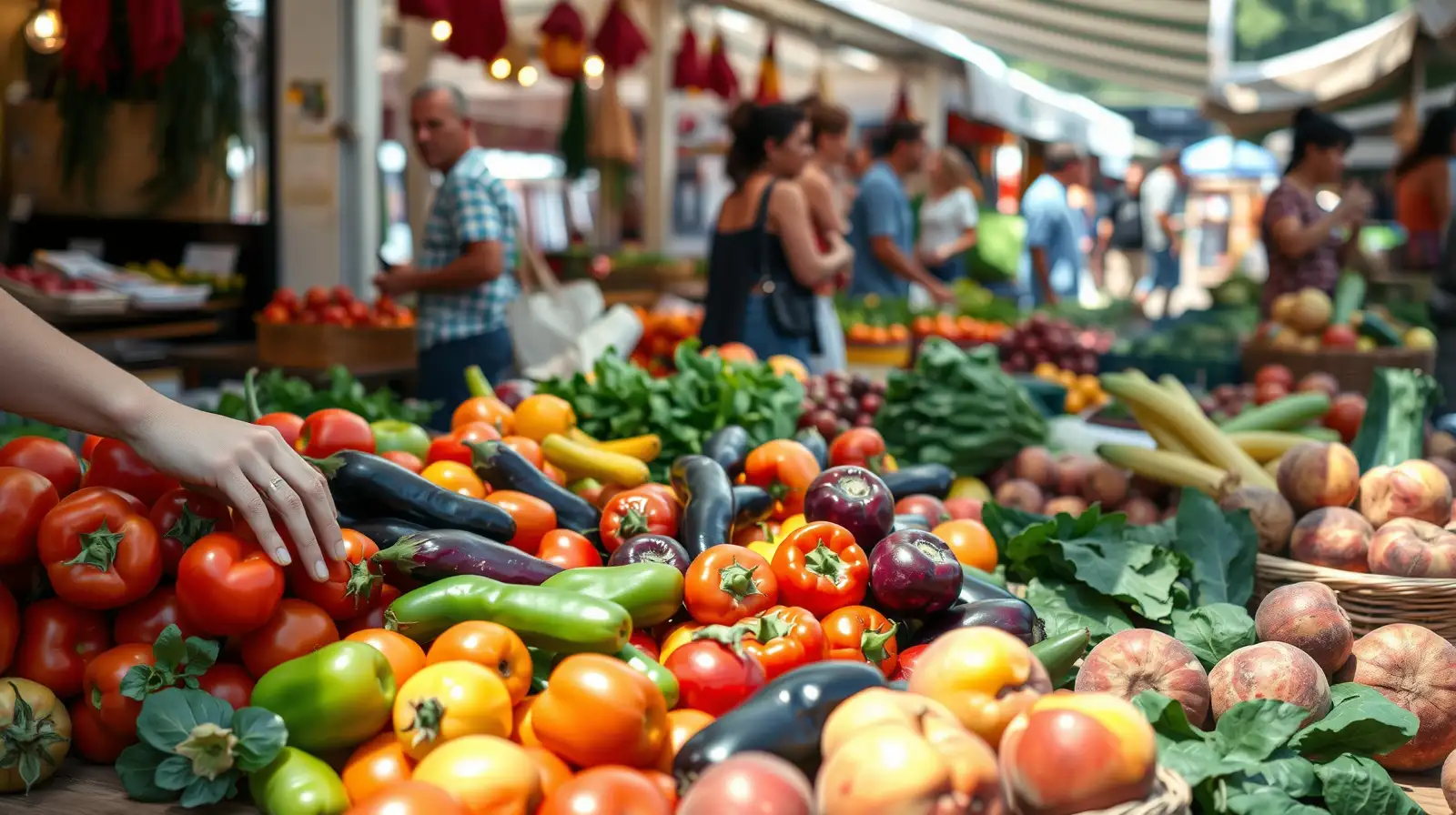
Because they spend less time in storage and transit, seasonal produce often retains its natural texture, aroma and flavour. A freshly picked tomato or mango harvested at peak ripeness typically tastes richer than one picked early to withstand long-distance shipping.
Many nutrition experts also point out that fruits and vegetables harvested closer to full maturity may preserve more of their natural vitamins and antioxidants compared with produce stored for extended periods.
Although all fruits and vegetables contribute to a healthy diet, freshness often enhances both taste and overall eating enjoyment.
When shoppers purchase seasonal produce from nearby growers, a larger share of the income remains within the community. This helps sustain family farms, creates employment opportunities and encourages agricultural diversity.
Local markets also allow consumers to learn where their food comes from. Many farmers are happy to explain how crops are grown, harvested and cared for, creating a stronger connection between producers and consumers.
This relationship has become increasingly valuable as people seek greater transparency in the food they eat.
Seasonal crops are naturally suited to local weather conditions, meaning they often require fewer artificial growing methods than out-of-season produce cultivated under controlled environments.
Greenhouses, refrigerated transport and extended cold storage all consume energy. Choosing produce that naturally grows during its intended season can help reduce these demands.
Another surprising benefit is the reduction of food waste. Local produce often spends less time travelling and is therefore more likely to reach consumers while still fresh, lowering the chances of spoilage before purchase.
Summer may bring mangoes, watermelon and cucumbers, while winter offers oranges, carrots and leafy greens. This changing selection provides a wider range of vitamins, minerals, fibre and beneficial plant compounds throughout the year.
Dietitians frequently recommend variety because no single fruit or vegetable contains every nutrient the body requires. Seasonal eating helps achieve that diversity without requiring complicated meal planning.
It also encourages home cooking, as fresh produce often inspires simple, wholesome recipes.
Shopping at neighbourhood markets, joining community-supported agriculture programmes or growing herbs and vegetables at home are practical ways to embrace seasonal eating.
Families can also involve children in choosing seasonal produce, helping them understand where food comes from while encouraging healthier eating habits from an early age.
Over time, these small decisions contribute to healthier diets, stronger communities and a more sustainable food system.
Freshness Makes a Real Difference
One of the biggest advantages of local and seasonal produce is freshness. Fruits and vegetables grown nearby usually reach markets much sooner after harvest than imported alternatives.Because they spend less time in storage and transit, seasonal produce often retains its natural texture, aroma and flavour. A freshly picked tomato or mango harvested at peak ripeness typically tastes richer than one picked early to withstand long-distance shipping.
Many nutrition experts also point out that fruits and vegetables harvested closer to full maturity may preserve more of their natural vitamins and antioxidants compared with produce stored for extended periods.
Although all fruits and vegetables contribute to a healthy diet, freshness often enhances both taste and overall eating enjoyment.
Supporting Local Farmers and Communities
Choosing locally grown produce does more than benefit consumers. It also strengthens local economies by supporting farmers, market vendors and small agricultural businesses.When shoppers purchase seasonal produce from nearby growers, a larger share of the income remains within the community. This helps sustain family farms, creates employment opportunities and encourages agricultural diversity.
Local markets also allow consumers to learn where their food comes from. Many farmers are happy to explain how crops are grown, harvested and cared for, creating a stronger connection between producers and consumers.
This relationship has become increasingly valuable as people seek greater transparency in the food they eat.
Lesser-Known Environmental Benefits
The environmental advantages of local and seasonal produce extend beyond shorter transport distances.Seasonal crops are naturally suited to local weather conditions, meaning they often require fewer artificial growing methods than out-of-season produce cultivated under controlled environments.
Greenhouses, refrigerated transport and extended cold storage all consume energy. Choosing produce that naturally grows during its intended season can help reduce these demands.
Another surprising benefit is the reduction of food waste. Local produce often spends less time travelling and is therefore more likely to reach consumers while still fresh, lowering the chances of spoilage before purchase.
Why Seasonal Eating Encourages Better Nutrition
Eating seasonally naturally introduces greater variety into the diet. Instead of relying on the same fruits and vegetables all year, people enjoy different produce as the seasons change.You may also like
- If you haven't obtained a marriage certificate, you won't get these benefits; find out the process for getting one..
- Passport: You will now have to pay ₹2,500 to get a passport; children and the elderly will receive a 10% discount..
- The government will provide up to ₹15,000 if it is your first job; find out what you need to do to avail the benefits of the scheme..
- Kushal Tanwar Celebrates Third Reality Show Victory with Mother on Zee5
- The 'Fantasy Coffins' of Ghana; a unique funeral tradition that turns death into celebrations of life and why travellers are fascinated
Summer may bring mangoes, watermelon and cucumbers, while winter offers oranges, carrots and leafy greens. This changing selection provides a wider range of vitamins, minerals, fibre and beneficial plant compounds throughout the year.
Dietitians frequently recommend variety because no single fruit or vegetable contains every nutrient the body requires. Seasonal eating helps achieve that diversity without requiring complicated meal planning.
It also encourages home cooking, as fresh produce often inspires simple, wholesome recipes.
Small Choices That Create a Bigger Impact
Eating locally and seasonally does not mean giving up favourite foods altogether. Even replacing a few imported items each week with locally grown alternatives can make a positive difference.Shopping at neighbourhood markets, joining community-supported agriculture programmes or growing herbs and vegetables at home are practical ways to embrace seasonal eating.
Families can also involve children in choosing seasonal produce, helping them understand where food comes from while encouraging healthier eating habits from an early age.
Over time, these small decisions contribute to healthier diets, stronger communities and a more sustainable food system.






More from our partners


Loving Newspoint? Download the app now
