
How Butterflies Help the Environment More Than You Realise

Butterflies are often admired for their colourful wings and graceful flight, but their true importance goes far beyond their beauty. These delicate insects play a vital role in maintaining healthy ecosystems by pollinating plants, supporting wildlife and acting as indicators of environmental health. Found in gardens, meadows, forests and even urban parks, butterflies contribute to nature in ways that many people rarely notice. As climate change, habitat loss and pollution continue to threaten biodiversity, understanding how butterflies help the environment has never been more important. Their survival is closely linked to the health of the landscapes that both wildlife and people depend upon.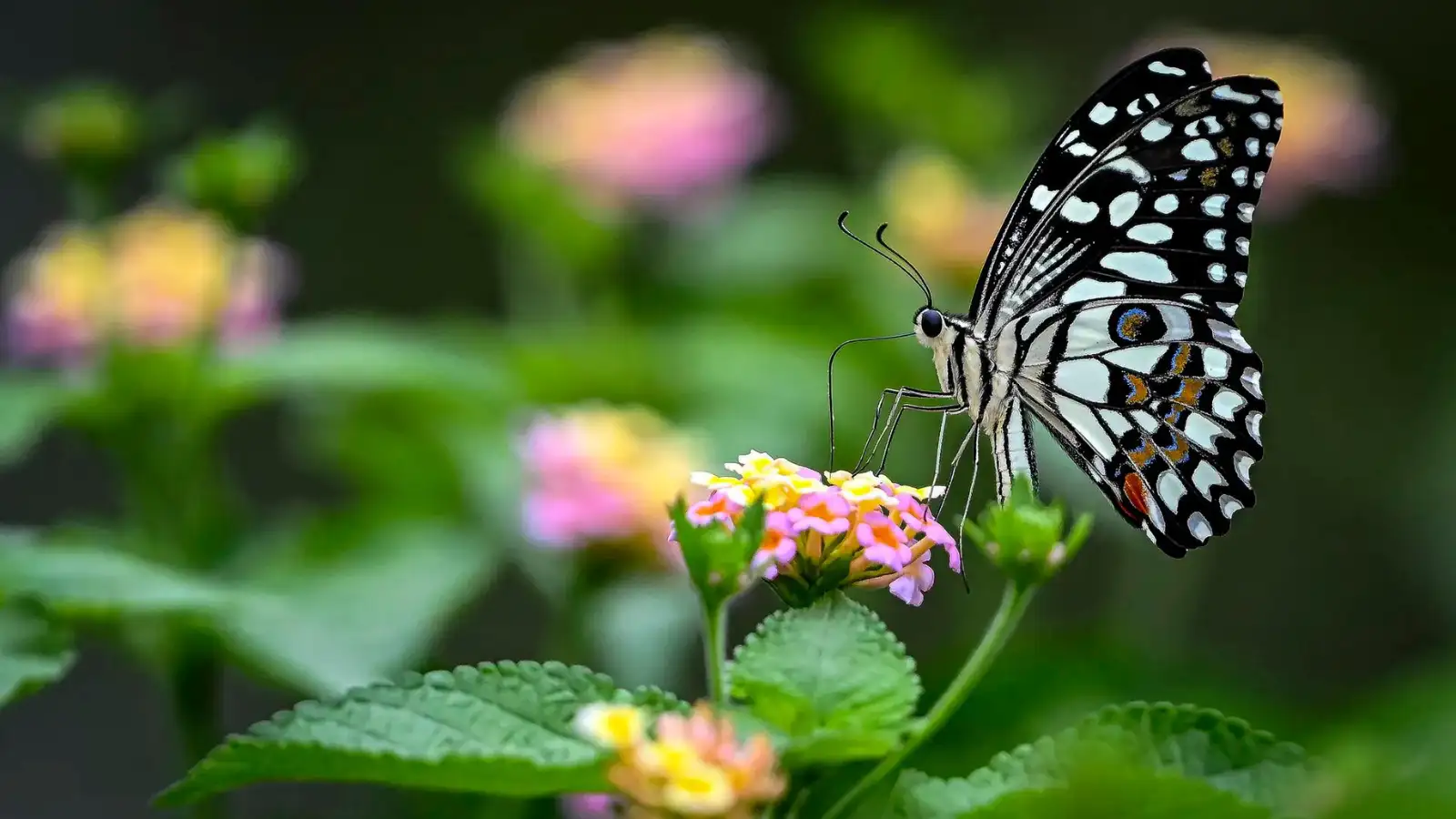
Although bees are often considered the primary pollinators, butterflies complement their work by visiting different flowers and travelling greater distances. Their activity helps maintain plant diversity, which in turn supports insects, birds and mammals that rely on healthy vegetation for food and shelter.
Adult butterflies are also prey for spiders, dragonflies and insect-eating birds. Without butterflies and their caterpillars, many wildlife species would lose an important food source, creating ripple effects throughout the ecosystem.
A decline in butterfly populations often signals wider problems such as pollution, pesticide use or habitat destruction. By studying butterfly numbers, researchers can detect environmental changes before they become severe enough to affect many other species.
Butterflies also encourage the growth of wildflowers by pollinating native plants. These wildflowers stabilise soil, support other pollinators and create habitats for countless insects. In this way, butterflies quietly contribute to the overall resilience of natural landscapes.
Their presence can even boost local economies through nature tourism, with butterfly gardens and reserves attracting visitors eager to experience biodiversity up close.
Simple actions such as planting native flowers, reducing pesticide use and preserving green spaces can create safe habitats where butterflies and other pollinators can thrive. Small changes in gardens, parks and farms collectively make a significant difference.
Butterflies Are Valuable Pollinators
One of the most important ways butterflies support the environment is through pollination. As they move from flower to flower feeding on nectar, pollen sticks to their bodies and is transferred between plants. This process allows many flowering plants to reproduce successfully.Although bees are often considered the primary pollinators, butterflies complement their work by visiting different flowers and travelling greater distances. Their activity helps maintain plant diversity, which in turn supports insects, birds and mammals that rely on healthy vegetation for food and shelter.
They Form an Important Part of the Food Chain
Butterflies contribute to healthy ecosystems at every stage of their lives. Caterpillars provide a rich source of food for birds, reptiles, amphibians and small mammals, particularly during the breeding season when many young birds require protein-rich diets.Adult butterflies are also prey for spiders, dragonflies and insect-eating birds. Without butterflies and their caterpillars, many wildlife species would lose an important food source, creating ripple effects throughout the ecosystem.
You may also like
- Common mistakes by parents that silently damage children's immunity according to a wellness and nutrition coach
- Selena Gomez picked Oscar de la Renta for Taylor Swift's rehearsal dinner and the choice felt surprisingly personal
- Update or Add Your Aadhaar Email ID from Home for Free; UIDAI Offers Service Through Aadhaar App
- How to choose clothes for your baby: Moms share mistakes that secretly impacted their infant's health
- Effective Methods for Cleaning Your Water Tank
Nature's Early Warning System
Butterflies are highly sensitive to changes in temperature, rainfall and habitat quality. Because they respond quickly to environmental changes, scientists use them as biological indicators to monitor ecosystem health.A decline in butterfly populations often signals wider problems such as pollution, pesticide use or habitat destruction. By studying butterfly numbers, researchers can detect environmental changes before they become severe enough to affect many other species.
Lesser-Known Ways Butterflies Benefit Nature
Not all butterflies travel short distances. Some species migrate hundreds or even thousands of kilometres, helping transport pollen across large regions and connecting ecosystems that are far apart.Butterflies also encourage the growth of wildflowers by pollinating native plants. These wildflowers stabilise soil, support other pollinators and create habitats for countless insects. In this way, butterflies quietly contribute to the overall resilience of natural landscapes.
Their presence can even boost local economies through nature tourism, with butterfly gardens and reserves attracting visitors eager to experience biodiversity up close.
Why Butterflies Matter Today
Butterfly populations have declined in many parts of the world due to habitat loss, intensive agriculture, pollution and climate change. These declines are more than a conservation concern. They reflect broader environmental challenges that can affect food production, wildlife and natural ecosystems.Simple actions such as planting native flowers, reducing pesticide use and preserving green spaces can create safe habitats where butterflies and other pollinators can thrive. Small changes in gardens, parks and farms collectively make a significant difference.






More from our partners


Loving Newspoint? Download the app now
