
How Traditional Clay Pot Cooking Can Transform the Taste and Nutrition of Food

For generations, meals prepared in clay pots were a familiar sight in homes across Asia, Africa and parts of Europe. Before pressure cookers, non-stick pans and electric appliances became common, earthenware cookware was trusted to prepare everything from curries and stews to rice and slow-cooked vegetables. Although modern cookware gradually replaced traditional clay pots, many home cooks and professional chefs are now bringing them back into their kitchens. The renewed interest is not driven by nostalgia alone. Clay pot cooking offers a unique combination of rich flavour, gentle heat distribution and a connection to culinary traditions that have stood the test of time. As people increasingly seek wholesome and mindful cooking methods, this ancient technique is finding new relevance.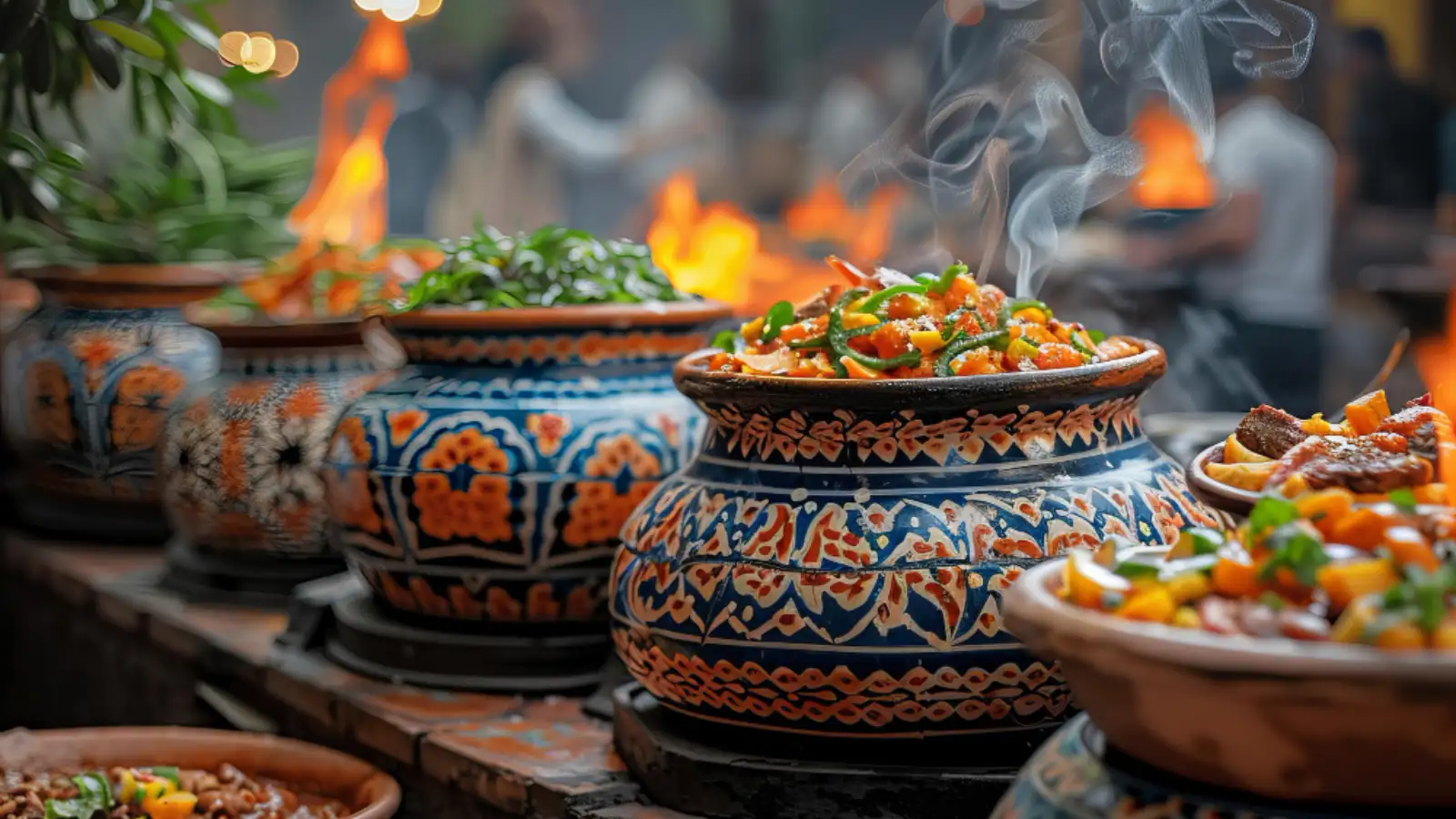
In India, clay pots have long been used to cook dishes such as biryani, dal, curries and slow-simmered vegetables. Different regions developed their own styles of earthen cookware, each designed to suit local recipes and ingredients.
Despite advances in kitchen technology, many traditional recipes continue to recommend clay pots because they produce flavours that are difficult to replicate using modern cookware.
This slow and gentle cooking process allows ingredients to retain moisture while giving spices more time to blend naturally. As a result, curries, soups and stews often develop deeper flavours and richer aromas.
The porous nature of unglazed clay also allows a small amount of steam and air to circulate during cooking, helping create tender textures without drying out the food.
Many chefs believe this natural cooking process enhances the overall eating experience, particularly in slow-cooked recipes.
Another interesting fact is that clay cookware requires seasoning before first use. Soaking the pot in water and gradually introducing it to heat helps strengthen the material and reduce the risk of cracking.
Clay pots also retain heat exceptionally well. Even after being removed from the stove, they continue cooking food for a short time, making them ideal for dishes that benefit from gentle finishing.
It also aligns with growing interest in sustainable living. Natural clay cookware is typically made from abundant materials and, when properly cared for, can last for many years. Unlike cookware with synthetic coatings, traditional earthen pots are free from artificial non-stick surfaces.
Many families are also rediscovering recipes that have been passed down through generations, helping preserve cultural heritage while introducing younger cooks to time-honoured methods.
Clay pots work particularly well for dishes that benefit from slow cooking, including lentils, vegetable curries, soups, rice dishes and braised meats. They also retain heat for longer after serving, helping meals stay warm naturally.
Cleaning is equally simple. Warm water and a soft brush are usually enough, while harsh detergents are best avoided to preserve the pot's natural surface.
A Cooking Tradition That Spans Thousands of Years
Clay pots have been used for cooking for more than 10,000 years. Archaeological discoveries from ancient civilisations in India, China, Mesopotamia and Egypt show that earthen cookware played a vital role in preparing daily meals long before metal utensils became widely available.In India, clay pots have long been used to cook dishes such as biryani, dal, curries and slow-simmered vegetables. Different regions developed their own styles of earthen cookware, each designed to suit local recipes and ingredients.
Despite advances in kitchen technology, many traditional recipes continue to recommend clay pots because they produce flavours that are difficult to replicate using modern cookware.
Why Food Tastes Different in a Clay Pot
One of the biggest advantages of clay pot cooking is the way heat is distributed. Unlike metal cookware, which heats up quickly, clay warms gradually and spreads heat more evenly.This slow and gentle cooking process allows ingredients to retain moisture while giving spices more time to blend naturally. As a result, curries, soups and stews often develop deeper flavours and richer aromas.
The porous nature of unglazed clay also allows a small amount of steam and air to circulate during cooking, helping create tender textures without drying out the food.
Many chefs believe this natural cooking process enhances the overall eating experience, particularly in slow-cooked recipes.
Lesser-Known Facts About Clay Pot Cooking
A common belief is that clay pots add minerals directly to food. While unglazed natural clay may release trace amounts of certain minerals, the nutritional contribution is generally very small and should not be considered a significant source of nutrients.You may also like
- If you haven't obtained a marriage certificate, you won't get these benefits; find out the process for getting one..
- Passport: You will now have to pay ₹2,500 to get a passport; children and the elderly will receive a 10% discount..
- The government will provide up to ₹15,000 if it is your first job; find out what you need to do to avail the benefits of the scheme..
- Kushal Tanwar Celebrates Third Reality Show Victory with Mother on Zee5
- The 'Fantasy Coffins' of Ghana; a unique funeral tradition that turns death into celebrations of life and why travellers are fascinated
Another interesting fact is that clay cookware requires seasoning before first use. Soaking the pot in water and gradually introducing it to heat helps strengthen the material and reduce the risk of cracking.
Clay pots also retain heat exceptionally well. Even after being removed from the stove, they continue cooking food for a short time, making them ideal for dishes that benefit from gentle finishing.
Why Clay Pot Cooking Matters Today
Modern lifestyles often encourage fast cooking, but this can sometimes come at the expense of flavour and traditional techniques. Clay pot cooking encourages a slower approach that allows ingredients to develop naturally.It also aligns with growing interest in sustainable living. Natural clay cookware is typically made from abundant materials and, when properly cared for, can last for many years. Unlike cookware with synthetic coatings, traditional earthen pots are free from artificial non-stick surfaces.
Many families are also rediscovering recipes that have been passed down through generations, helping preserve cultural heritage while introducing younger cooks to time-honoured methods.
Making the Most of a Clay Pot
Cooking with clay requires a little patience, but the results are often rewarding. The pot should always be heated gradually rather than exposed to sudden high temperatures, which can cause it to crack.Clay pots work particularly well for dishes that benefit from slow cooking, including lentils, vegetable curries, soups, rice dishes and braised meats. They also retain heat for longer after serving, helping meals stay warm naturally.
Cleaning is equally simple. Warm water and a soft brush are usually enough, while harsh detergents are best avoided to preserve the pot's natural surface.






More from our partners


Loving Newspoint? Download the app now
