
When Did Humans Start Celebrating Birthdays? The Surprising History Behind a Global Tradition

For many people, birthdays are among the most anticipated days of the year. They bring together family, friends, gifts, cakes, and messages of goodwill. Yet few of us stop to ask a surprisingly simple question: when did humans start celebrating birthdays?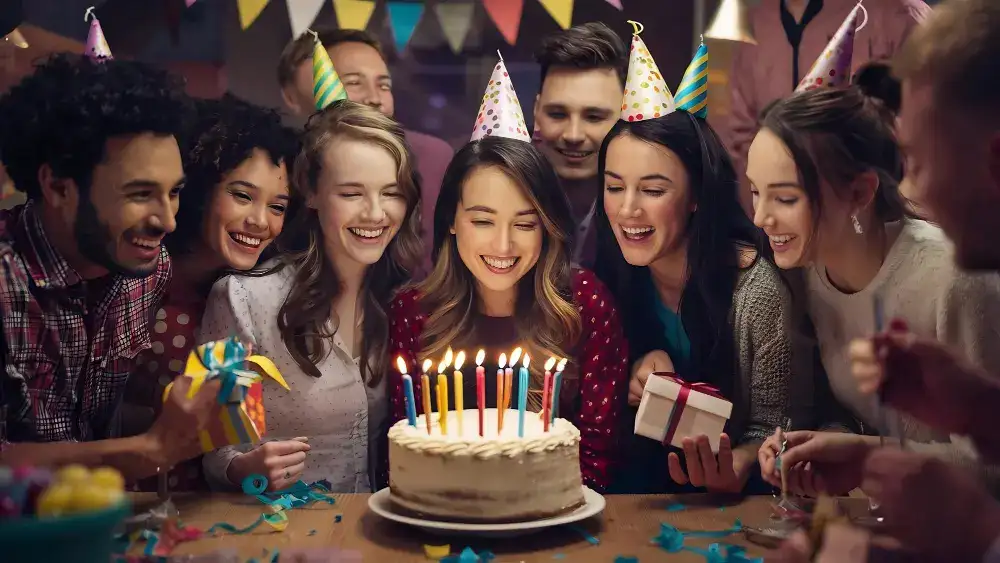
The answer takes us on a journey through ancient civilisations, royal courts, religious beliefs, and social change. What began as a privilege reserved for rulers and the elite gradually evolved into a tradition enjoyed by billions around the world. Along the way, birthdays gained meanings that went far beyond marking another year of life. Their history reveals how humans have long sought to celebrate identity, survival, and the passage of time itself.
Interestingly, these celebrations were not for the day a person was born. Instead, they marked the coronation of a pharaoh. Ancient Egyptians believed that when a ruler became pharaoh, he was transformed into a divine being. The coronation was considered a kind of spiritual birth, making it worthy of celebration.
Evidence for these royal birthdays appears in ancient texts and has led many historians to regard Egypt as one of the starting points of birthday traditions.
The Greeks honoured the goddess Artemis by presenting round cakes decorated with lit candles. The glowing candles were thought to resemble the moon, which was associated with the goddess. Some historians believe this practice may have influenced the modern tradition of placing candles on birthday cakes.
The Greeks also believed that a person's birthday carried spiritual significance. Protective spirits were thought to be especially attentive on the anniversary of someone's birth, making the day both meaningful and symbolic.
One reason was practical. Accurate birth records simply did not exist for many people. Without official documentation, many individuals did not know the exact date they had been born.
Religious concerns also played a role. In some early cultures, birthday celebrations were associated with pagan beliefs and astrology. As a result, certain religious groups viewed them with suspicion.
Even in powerful civilisations such as ancient Rome, birthday celebrations were more likely to be observed by wealthy men, public figures, and political leaders than by the general population.
Known as Kinderfest, this custom focused specifically on children's birthdays. Families would place candles on a cake, often adding one extra candle to represent hope for the coming year. The candles remained lit throughout the day before being extinguished in the evening.
This practice sounds remarkably familiar because it formed the basis of many birthday customs that continue today. The birthday cake, candle-blowing ritual, and gathering of family members all became increasingly popular through this German influence.
Several social changes helped make this possible. Governments began keeping more accurate birth records. Literacy rates improved, making personal documents more common. Industrialisation also made products such as cakes, candles, and greeting cards more affordable.
As societies became more individualistic, people increasingly celebrated personal milestones. A birthday was no longer reserved for kings, nobles, or religious figures. It became a day that recognised the value of every individual.
This shift reflects a broader change in human culture. People began to place greater importance on personal identity and life achievements rather than solely on family status or social rank.
Another interesting detail is that birthday gifts have roots in these protective traditions. Offering presents was thought to bring good fortune and ward off bad luck.
Even the familiar birthday song has a relatively recent history. The song "Happy Birthday to You" only became widely known in the twentieth century, making it one of the newest elements in a tradition that stretches back thousands of years.
In a fast-moving world, birthdays offer a rare opportunity to pause and acknowledge a person's life and experiences. Whether celebrated with a large party or a quiet gathering, the occasion reminds people that every year has value.
The enduring popularity of birthdays also highlights a deeply human desire to belong, be recognised, and share meaningful moments with others.
The answer takes us on a journey through ancient civilisations, royal courts, religious beliefs, and social change. What began as a privilege reserved for rulers and the elite gradually evolved into a tradition enjoyed by billions around the world. Along the way, birthdays gained meanings that went far beyond marking another year of life. Their history reveals how humans have long sought to celebrate identity, survival, and the passage of time itself.
The Earliest Birthday Celebrations in History
The earliest known birthday celebrations did not belong to ordinary people. Historians often trace the origins of birthdays to ancient Egypt around 4,000 years ago.Interestingly, these celebrations were not for the day a person was born. Instead, they marked the coronation of a pharaoh. Ancient Egyptians believed that when a ruler became pharaoh, he was transformed into a divine being. The coronation was considered a kind of spiritual birth, making it worthy of celebration.
Evidence for these royal birthdays appears in ancient texts and has led many historians to regard Egypt as one of the starting points of birthday traditions.
How the Ancient Greeks Shaped Birthday Customs
The ancient Greeks introduced another important element that still survives today: birthday offerings.The Greeks honoured the goddess Artemis by presenting round cakes decorated with lit candles. The glowing candles were thought to resemble the moon, which was associated with the goddess. Some historians believe this practice may have influenced the modern tradition of placing candles on birthday cakes.
The Greeks also believed that a person's birthday carried spiritual significance. Protective spirits were thought to be especially attentive on the anniversary of someone's birth, making the day both meaningful and symbolic.
Why Ordinary People Rarely Celebrated Birthdays
For much of human history, birthdays were not common among ordinary citizens.One reason was practical. Accurate birth records simply did not exist for many people. Without official documentation, many individuals did not know the exact date they had been born.
Religious concerns also played a role. In some early cultures, birthday celebrations were associated with pagan beliefs and astrology. As a result, certain religious groups viewed them with suspicion.
Even in powerful civilisations such as ancient Rome, birthday celebrations were more likely to be observed by wealthy men, public figures, and political leaders than by the general population.
The German Tradition That Changed Everything
The modern birthday celebration owes much to a tradition that emerged in Germany during the Middle Ages.Known as Kinderfest, this custom focused specifically on children's birthdays. Families would place candles on a cake, often adding one extra candle to represent hope for the coming year. The candles remained lit throughout the day before being extinguished in the evening.
This practice sounds remarkably familiar because it formed the basis of many birthday customs that continue today. The birthday cake, candle-blowing ritual, and gathering of family members all became increasingly popular through this German influence.
The Rise of Birthdays for Everyone
Birthdays only became widespread among ordinary people during the nineteenth and twentieth centuries.Several social changes helped make this possible. Governments began keeping more accurate birth records. Literacy rates improved, making personal documents more common. Industrialisation also made products such as cakes, candles, and greeting cards more affordable.
As societies became more individualistic, people increasingly celebrated personal milestones. A birthday was no longer reserved for kings, nobles, or religious figures. It became a day that recognised the value of every individual.
This shift reflects a broader change in human culture. People began to place greater importance on personal identity and life achievements rather than solely on family status or social rank.
You may also like
- 'Dear Guests From India'; why a Swiss hotel's notice shared by Harsh Goenka is sparking a bigger conversation about travel etiquette
- Train News: No Seat Despite Confirmed Ticket? Railways to Pay ₹20,000 Compensation—Know Your Rights
- Dak Seva Gifts: Is India Post Giving Away Gifts in the Name of Rewards? Find Out What the Government Says Before Applying
- Fact of the day: This tiny sea creature can never die of aging
- Solar Panels: Rules for Solar Panels Change from June 1st—Find Out How It Will Impact Your Wallet
Lesser-Known Facts About Birthday History
One surprising fact is that birthdays were once considered a form of protection. In several ancient cultures, people believed evil spirits were more likely to target someone on their birthday. Friends and family gathered partly to offer protection through good wishes and celebrations.Another interesting detail is that birthday gifts have roots in these protective traditions. Offering presents was thought to bring good fortune and ward off bad luck.
Even the familiar birthday song has a relatively recent history. The song "Happy Birthday to You" only became widely known in the twentieth century, making it one of the newest elements in a tradition that stretches back thousands of years.
Why Birthday Celebrations Still Matter Today
Today, birthdays are more than social occasions. They provide a moment to reflect on personal growth, relationships, and the passage of time.In a fast-moving world, birthdays offer a rare opportunity to pause and acknowledge a person's life and experiences. Whether celebrated with a large party or a quiet gathering, the occasion reminds people that every year has value.
The enduring popularity of birthdays also highlights a deeply human desire to belong, be recognised, and share meaningful moments with others.






More from our partners


Loving Newspoint? Download the app now
