
Should You Soak Nuts? What Nutrition Experts and Research Really Say

Many people begin their day with a handful of soaked almonds or walnuts, believing it is a healthier choice than eating them straight from the packet. This practice has been passed down through generations, particularly in South Asian households, where soaking nuts overnight is considered part of a wholesome morning routine. But is this simply a traditional habit, or is there genuine science behind it? The answer lies somewhere in between. While soaking nuts is not a miracle health hack, it can influence their texture, digestibility and nutritional availability in certain ways. Understanding what really happens during soaking helps separate long-held myths from evidence-based facts.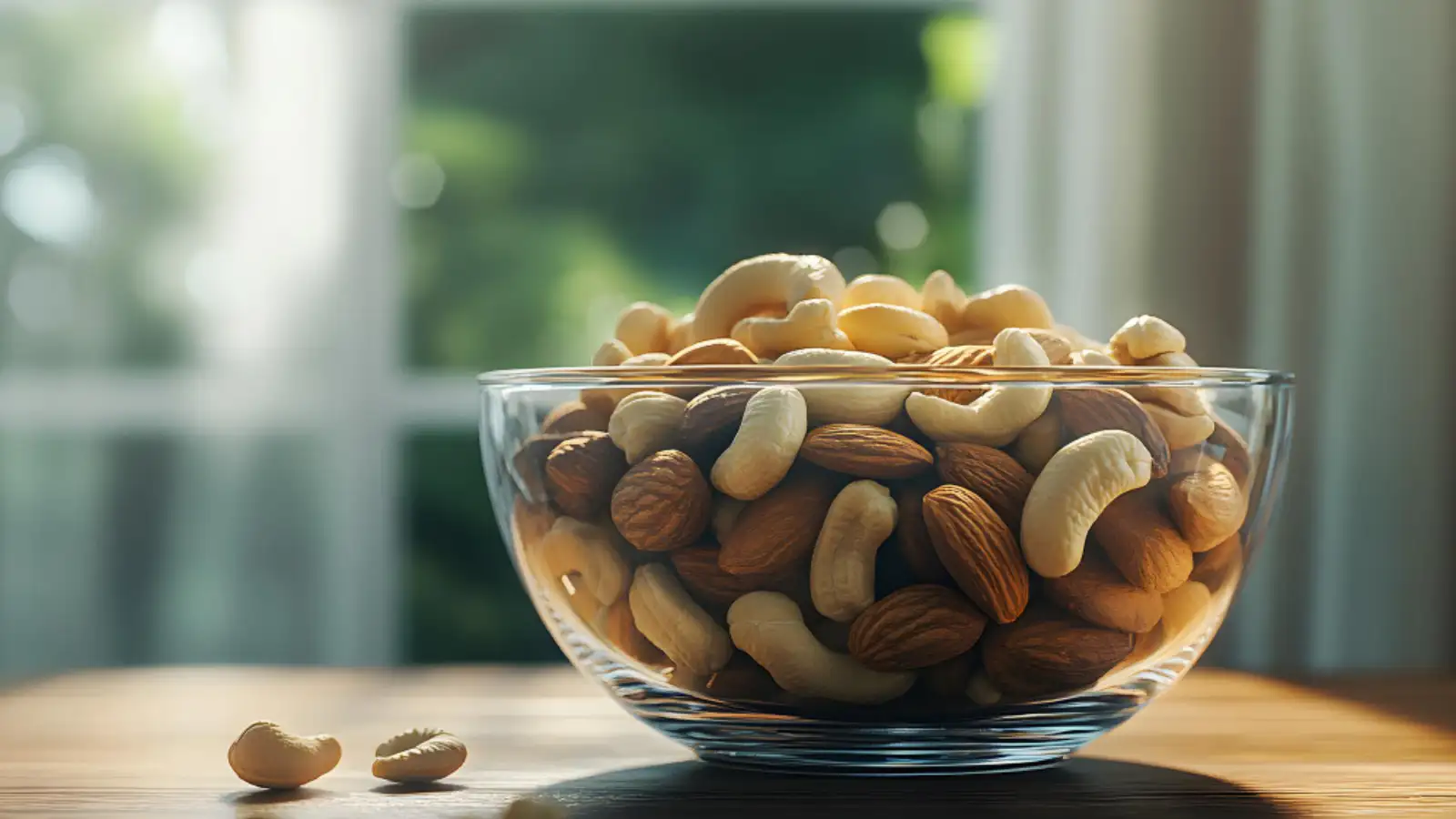
Traditionally, almonds, walnuts and other nuts were soaked overnight before consumption. People believed this process made them easier to digest and gentler on the stomach. In some households, the skins of soaked almonds were removed before eating, as they were thought to contain compounds that could interfere with digestion.
Although these customs were rooted in tradition, modern research has provided some insight into why they may have endured.
Scientists have also studied naturally occurring compounds called phytates, or phytic acid, which are present in many seeds, grains and nuts. Phytates can bind to certain minerals such as iron, zinc and calcium, slightly reducing their absorption in the body.
Soaking may reduce the phytate content in some nuts, although the effect varies depending on the type of nut and the soaking time. The reduction is generally modest rather than dramatic, so soaking should be viewed as one helpful preparation method rather than a nutritional transformation.
Another interesting fact is that walnuts absorb water differently from almonds. Walnuts become softer quite quickly, whereas almonds retain much of their firmness even after several hours of soaking.
It is also worth noting that soaked nuts should not be stored for long periods at room temperature. Their increased moisture content makes them more susceptible to spoilage, so they are best consumed soon after soaking or kept refrigerated.
People who experience mild digestive discomfort after eating raw nuts may find soaked versions easier to tolerate. However, those who enjoy raw nuts and digest them comfortably are unlikely to gain significant additional health benefits simply by soaking them.
Regardless of preparation, nuts remain an excellent source of healthy fats, plant protein, fibre, vitamin E and essential minerals. Portion size is also important, as nuts are naturally energy-dense.
At the same time, it highlights the importance of questioning popular health advice. Not every traditional belief is entirely correct, but many have practical foundations that modern science continues to explore.
Understanding the evidence allows people to make informed choices without being influenced by exaggerated health claims.
Why People Have Been Soaking Nuts for Centuries
Long before modern nutrition became a field of scientific study, many cultures developed food preparation methods based on observation and experience. Soaking nuts was one such practice.Traditionally, almonds, walnuts and other nuts were soaked overnight before consumption. People believed this process made them easier to digest and gentler on the stomach. In some households, the skins of soaked almonds were removed before eating, as they were thought to contain compounds that could interfere with digestion.
Although these customs were rooted in tradition, modern research has provided some insight into why they may have endured.
What Happens When Nuts Are Soaked?
When nuts are placed in water for several hours, they absorb moisture and become softer. This changes their texture, making them easier to chew, particularly for young children and older adults.Scientists have also studied naturally occurring compounds called phytates, or phytic acid, which are present in many seeds, grains and nuts. Phytates can bind to certain minerals such as iron, zinc and calcium, slightly reducing their absorption in the body.
Soaking may reduce the phytate content in some nuts, although the effect varies depending on the type of nut and the soaking time. The reduction is generally modest rather than dramatic, so soaking should be viewed as one helpful preparation method rather than a nutritional transformation.
Lesser-Known Facts About Soaked Nuts
One common belief is that soaking significantly increases the nutrient content of nuts. In reality, soaking does not create new vitamins or minerals. Instead, it may improve the accessibility of certain nutrients while making the nuts more pleasant to eat.Another interesting fact is that walnuts absorb water differently from almonds. Walnuts become softer quite quickly, whereas almonds retain much of their firmness even after several hours of soaking.
You may also like
- 'I never really left': Sabyasachi reacts to buzz around his New York Fashion Week comeback after a decade
- If you haven't obtained a marriage certificate, you won't get these benefits; find out the process for getting one..
- Passport: You will now have to pay ₹2,500 to get a passport; children and the elderly will receive a 10% discount..
- The government will provide up to ₹15,000 if it is your first job; find out what you need to do to avail the benefits of the scheme..
- Kushal Tanwar Celebrates Third Reality Show Victory with Mother on Zee5
It is also worth noting that soaked nuts should not be stored for long periods at room temperature. Their increased moisture content makes them more susceptible to spoilage, so they are best consumed soon after soaking or kept refrigerated.
Should Everyone Soak Their Nuts?
For most healthy adults, both raw and soaked nuts can be part of a balanced diet. The choice often comes down to personal preference rather than necessity.People who experience mild digestive discomfort after eating raw nuts may find soaked versions easier to tolerate. However, those who enjoy raw nuts and digest them comfortably are unlikely to gain significant additional health benefits simply by soaking them.
Regardless of preparation, nuts remain an excellent source of healthy fats, plant protein, fibre, vitamin E and essential minerals. Portion size is also important, as nuts are naturally energy-dense.
Why This Traditional Practice Still Matters
The renewed interest in soaked nuts reflects a broader movement towards mindful eating and traditional food preparation. Rather than relying on heavily processed snacks, many people are returning to simple, whole foods that have stood the test of time.At the same time, it highlights the importance of questioning popular health advice. Not every traditional belief is entirely correct, but many have practical foundations that modern science continues to explore.
Understanding the evidence allows people to make informed choices without being influenced by exaggerated health claims.






More from our partners


Loving Newspoint? Download the app now
