
How Birds Keep Nature Balanced in Ways You May Not Notice

Birds are among the most familiar creatures on Earth, yet their importance often goes unnoticed. Whether it is the cheerful song of a robin in the garden, the soaring flight of an eagle or a flock of swallows signalling the arrival of spring, birds are constantly shaping the natural world around us. They do far more than add beauty to landscapes. Birds help forests regenerate, keep insect populations under control, spread seeds across vast distances and even provide valuable clues about the health of the environment. Understanding why birds are essential to healthy ecosystems reveals just how closely human wellbeing is connected to the wildlife that surrounds us.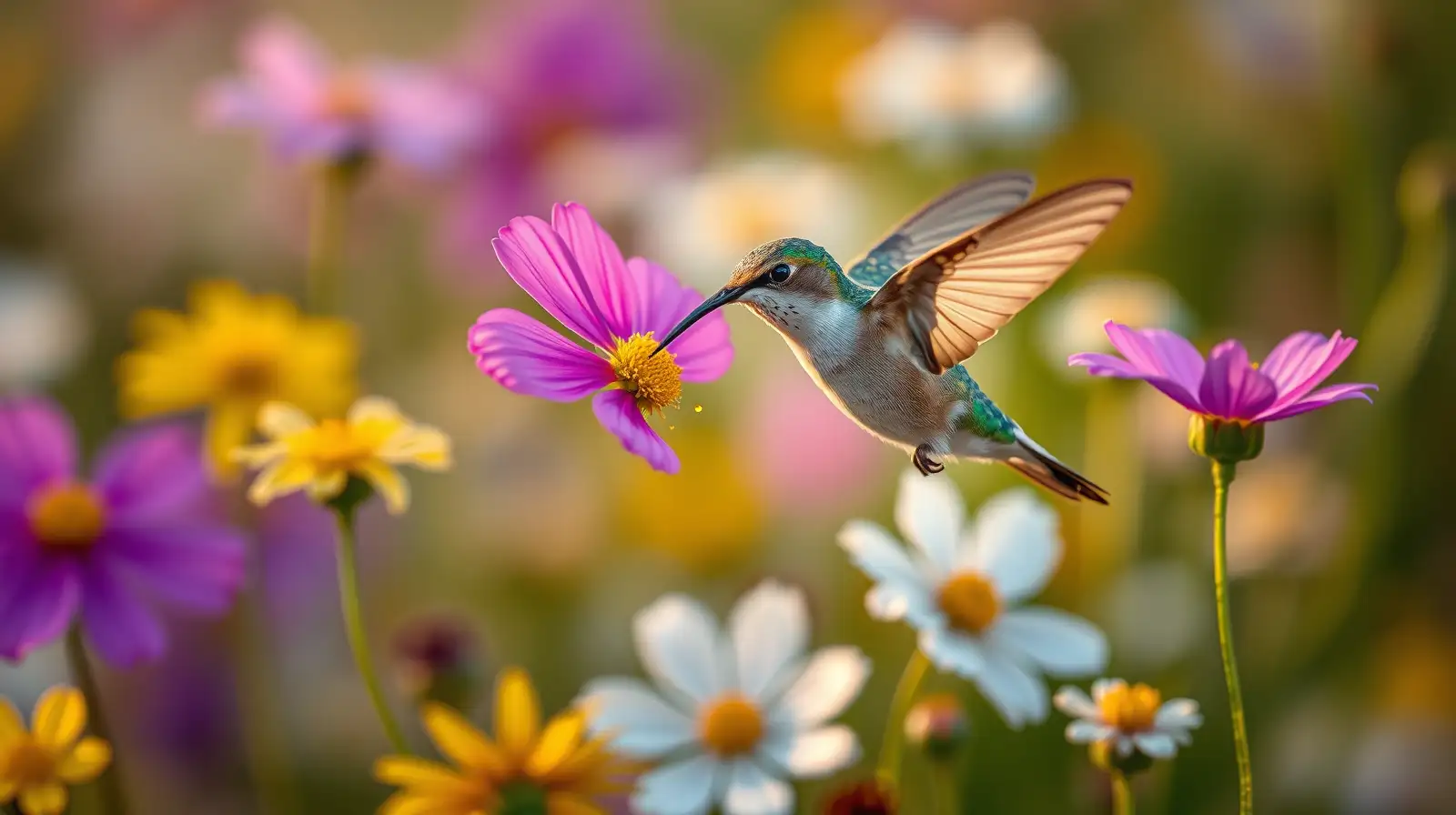
Birds of prey also play a crucial part by controlling populations of rodents and other small animals. Without these natural predators, ecosystems can quickly become unbalanced, leading to increased competition for food and greater pressure on vegetation.
This process becomes especially important after storms, wildfires or deforestation, when damaged landscapes need to recover. In many tropical forests, certain tree species rely almost entirely on birds to spread their seeds.
Even in areas where insect pollinators have declined, nectar-feeding birds continue to support plant diversity. Their role highlights how different species often work together to maintain healthy habitats.
History offers a striking example. During the mid-twentieth century, falling populations of birds of prey helped reveal the harmful effects of certain pesticides, leading to stronger environmental protections in many countries. Today, monitoring birds continues to provide valuable information about climate change and habitat loss.
Birdwatching has also become one of the world's fastest-growing outdoor hobbies, contributing billions to local economies through tourism and conservation projects. At the same time, studies suggest that listening to birdsong can reduce stress and improve mental wellbeing, making birds valuable companions in both rural and urban environments.
Birds Help Keep Nature in Balance
Every ecosystem depends on a network of species performing different roles, and birds are among its busiest workers. Many species feed on insects, helping to prevent outbreaks that could damage crops, forests and gardens. A single swallow, for example, can consume hundreds of flying insects in a day during the breeding season.Birds of prey also play a crucial part by controlling populations of rodents and other small animals. Without these natural predators, ecosystems can quickly become unbalanced, leading to increased competition for food and greater pressure on vegetation.
Nature's Seed Distributors
One of the lesser-known ways birds support healthy ecosystems is through seed dispersal. Fruit-eating birds consume berries and other fruits before carrying seeds to entirely new locations. These seeds are later deposited, often far from the parent plant, giving forests and woodlands the opportunity to expand naturally.This process becomes especially important after storms, wildfires or deforestation, when damaged landscapes need to recover. In many tropical forests, certain tree species rely almost entirely on birds to spread their seeds.
You may also like
- Common mistakes by parents that silently damage children's immunity according to a wellness and nutrition coach
- Selena Gomez picked Oscar de la Renta for Taylor Swift's rehearsal dinner and the choice felt surprisingly personal
- Update or Add Your Aadhaar Email ID from Home for Free; UIDAI Offers Service Through Aadhaar App
- How to choose clothes for your baby: Moms share mistakes that secretly impacted their infant's health
- Effective Methods for Cleaning Your Water Tank
Birds Are Natural Pollinators
Although bees receive most of the attention, some birds are also effective pollinators. Species such as hummingbirds, sunbirds and honeyeaters transfer pollen while feeding on nectar, helping flowering plants reproduce.Even in areas where insect pollinators have declined, nectar-feeding birds continue to support plant diversity. Their role highlights how different species often work together to maintain healthy habitats.
Birds Reveal the Health of the Environment
Scientists often describe birds as indicators of environmental health because they respond quickly to changes in climate, pollution and habitat quality. A sudden decline in bird populations can signal wider environmental problems long before they become obvious to people.History offers a striking example. During the mid-twentieth century, falling populations of birds of prey helped reveal the harmful effects of certain pesticides, leading to stronger environmental protections in many countries. Today, monitoring birds continues to provide valuable information about climate change and habitat loss.
Why Birds Matter in Everyday Life
Healthy bird populations benefit people in ways that extend beyond nature. Farmers rely on insect-eating birds to reduce crop pests naturally, while forests supported by seed-dispersing birds store carbon, protect water supplies and improve air quality.Birdwatching has also become one of the world's fastest-growing outdoor hobbies, contributing billions to local economies through tourism and conservation projects. At the same time, studies suggest that listening to birdsong can reduce stress and improve mental wellbeing, making birds valuable companions in both rural and urban environments.






More from our partners


Loving Newspoint? Download the app now
