
Why Natural Vanilla Is More Valuable Than Gold-Like Spices

Vanilla is one of the most familiar flavours in the world. It appears in ice cream, cakes, chocolates, perfumes, and countless everyday products. Yet behind this simple flavour is a surprisingly complex and expensive journey. Natural vanilla is among the world’s most costly spices, often competing with rare ingredients because of the amount of time, labour, and care required to produce it. Unlike many crops that can be harvested quickly with machines, vanilla depends heavily on human hands. From delicate orchid flowers to slow curing processes, every step contributes to why real vanilla remains a luxury ingredient.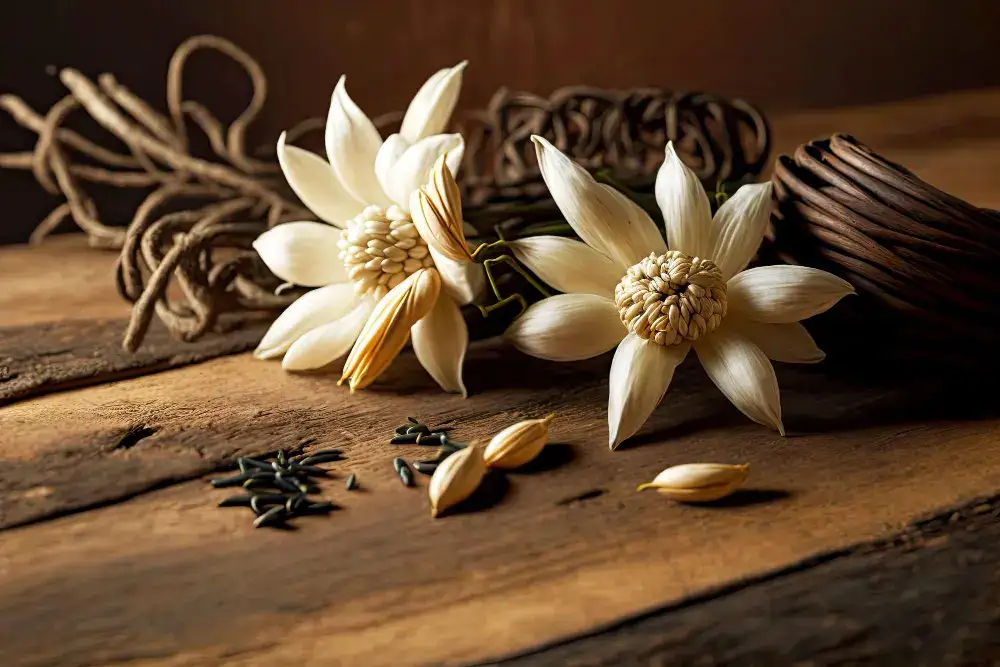
The vanilla orchid is naturally found in parts of Mexico, where a specific bee species originally helped pollinate it. When vanilla began being grown in other parts of the world, farmers discovered that these natural pollinators were missing. This led to the development of hand pollination, a careful process where each flower must be pollinated individually.
After harvesting, the pods go through a lengthy curing process that can take several months. They are repeatedly heated, dried, and rested to develop the rich aroma and flavour that people associate with vanilla.
This long production cycle makes vanilla farming extremely labour-intensive compared with many other crops.
Because natural vanilla production is limited, demand from food companies, restaurants, and consumers often exceeds supply. This causes prices to rise, especially when poor harvests occur.
Pure vanilla extract offers a deeper and more complex flavour, which is why chefs and food makers continue to value it.
The next time you enjoy a scoop of vanilla ice cream, remember that its smooth, familiar taste comes from one of the world’s most delicate crops. Behind every drop of real vanilla is a story of patience, human effort, and a rare connection between nature and craftsmanship.
Why Vanilla Is One of the Most Expensive Flavours in the World
Vanilla Comes From a Rare Orchid
One of the biggest reasons behind vanilla’s high price is its unusual origin. Vanilla does not come from a tree or a common plant but from the seed pods of the vanilla orchid , one of the few edible plants in the orchid family.The vanilla orchid is naturally found in parts of Mexico, where a specific bee species originally helped pollinate it. When vanilla began being grown in other parts of the world, farmers discovered that these natural pollinators were missing. This led to the development of hand pollination, a careful process where each flower must be pollinated individually.
Every Vanilla Pod Requires Months of Work
Growing vanilla is a slow process. The orchid can take several years before producing flowers, and each flower usually blooms for only a short period. Farmers must pollinate the flowers at exactly the right time to produce healthy vanilla pods.After harvesting, the pods go through a lengthy curing process that can take several months. They are repeatedly heated, dried, and rested to develop the rich aroma and flavour that people associate with vanilla.
You may also like
- Everything was 'normal' in the first screening—so how could cancer show up in the second? The doctor explains the reason..
- 4 waterfalls near Hyderabad where you can safely swim this monsoon
- A therapist who has spent decades treating adults who were emotionally neglected as children says they share 5 relationship struggles
- Kangana Ranaut's Dream Home: A Rs 30 Crore Mansion in Manali
- Side Effects of Eating Too Many Eggs: Does eating 50 eggs at once really lead to death? Know the truth behind it?
This long production cycle makes vanilla farming extremely labour-intensive compared with many other crops.
Why Vanilla Prices Often Change
The global vanilla market is highly sensitive to weather, farming conditions, and supply shortages. A large portion of the world’s natural vanilla comes from Madagascar, where cyclones and changing climate conditions can significantly affect harvests.Because natural vanilla production is limited, demand from food companies, restaurants, and consumers often exceeds supply. This causes prices to rise, especially when poor harvests occur.
Natural Vanilla vs Artificial Vanilla
Many products labelled as “vanilla flavour” use synthetic vanillin, the main chemical compound responsible for vanilla’s familiar taste. Artificial vanilla is much cheaper and easier to produce, but it does not contain the full range of hundreds of natural compounds found in real vanilla.Pure vanilla extract offers a deeper and more complex flavour, which is why chefs and food makers continue to value it.
Why Vanilla Still Matters Today
Vanilla represents more than just a flavour. It supports farming communities, traditional agricultural practices, and global food industries. As consumers increasingly look for natural ingredients , demand for authentic vanilla continues to grow.The next time you enjoy a scoop of vanilla ice cream, remember that its smooth, familiar taste comes from one of the world’s most delicate crops. Behind every drop of real vanilla is a story of patience, human effort, and a rare connection between nature and craftsmanship.






More from our partners


Loving Newspoint? Download the app now
