
Why Slow Travel Is Changing The Way We Explore The World

The way people travel is changing. Gone are the days when the perfect holiday meant ticking off as many countries and landmarks as possible in a limited time. Today's travellers are embracing a different philosophy. They are choosing slow travel , staying longer in one destination and investing in experiences rather than rushing from one attraction to another.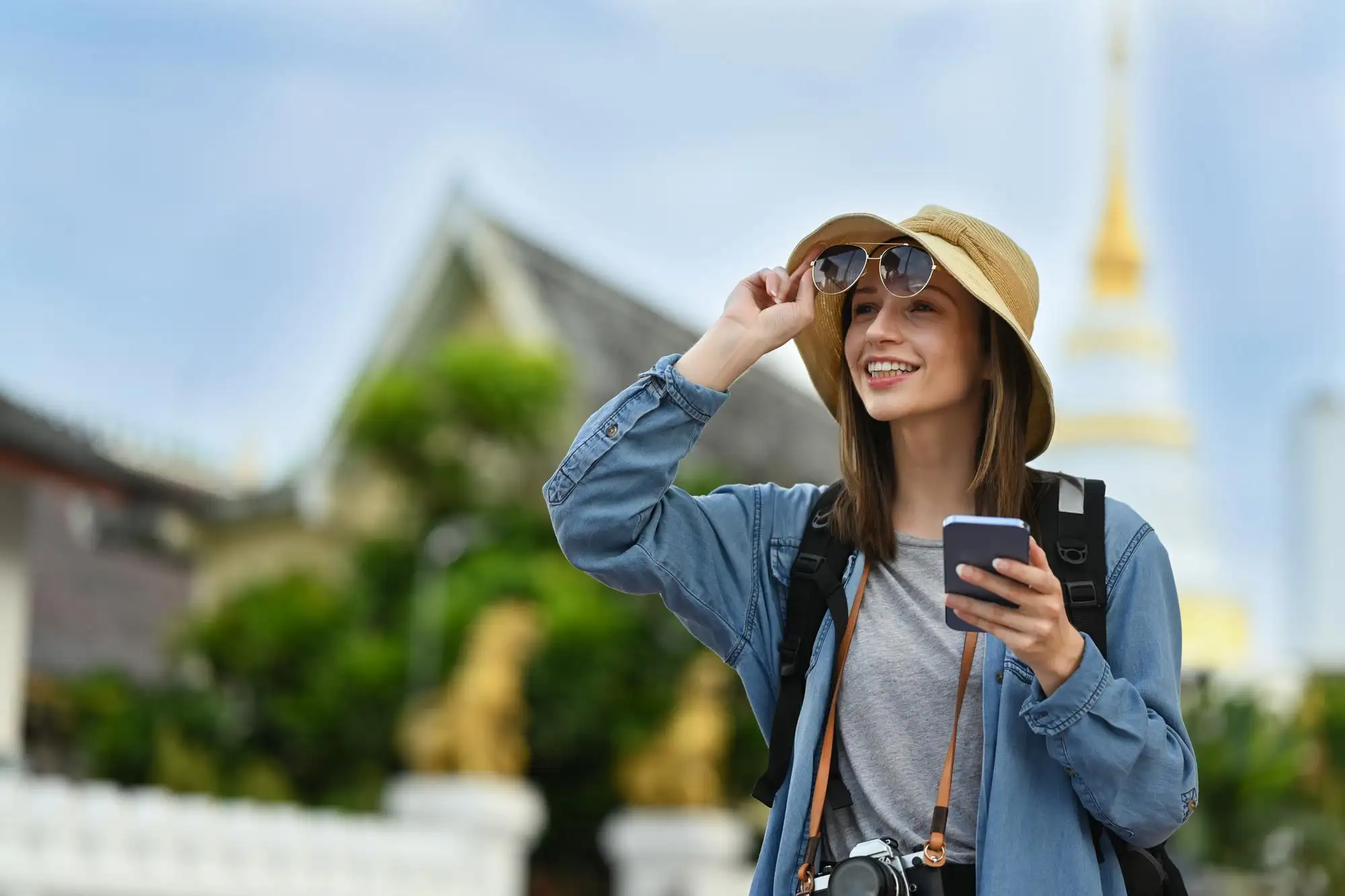
This shift isn't simply about travelling differently. It is about making every journey more meaningful, affordable and memorable.
Instead of squeezing four cities into a single week, travellers are opting to stay in one destination for several days or even weeks. This approach reduces transport costs, minimises the stress of constant packing and allows visitors to truly experience local life.
Longer stays also create opportunities for unexpected discoveries. Whether it's finding a favourite neighbourhood café, exploring hidden streets or simply enjoying a relaxed afternoon in a local park, these moments often become the highlights of a trip.
Also Read: Paris Or Rome: Which European City Is Better For First-Time Travellers?
Rather than spending a large portion of their holiday budget on expensive hotel rooms, travellers are prioritising memorable experiences. A comfortable place to sleep is important, but the experiences outside the hotel often leave the strongest impression.
Cooking classes, food tours, hiking adventures, cultural workshops and local markets offer richer memories than an upgraded room with premium amenities. Redirecting accommodation savings towards experiences allows travellers to enjoy a more fulfilling holiday without increasing overall expenses.
Many professionals now combine work and leisure by travelling with their laptops. They work during weekdays and explore their surroundings in the evenings or at weekends. This growing trend of remote work travel makes extended holidays more practical and affordable.
With accommodation costs spread over longer stays, daily travel expenses often become significantly lower than traditional short holidays.
Many places become more rewarding the longer you stay. Extended visits allow travellers to discover neighbourhood restaurants, attend local festivals, browse weekend markets and venture beyond the main tourist attractions.
This shift isn't simply about travelling differently. It is about making every journey more meaningful, affordable and memorable.
Stay Longer, Travel Smarter
One of the biggest travel trends today is spending more time in fewer places.Instead of squeezing four cities into a single week, travellers are opting to stay in one destination for several days or even weeks. This approach reduces transport costs, minimises the stress of constant packing and allows visitors to truly experience local life.
Longer stays also create opportunities for unexpected discoveries. Whether it's finding a favourite neighbourhood café, exploring hidden streets or simply enjoying a relaxed afternoon in a local park, these moments often become the highlights of a trip.
Also Read: Paris Or Rome: Which European City Is Better For First-Time Travellers?
Spend on Experiences, Not Luxury Accommodation
Another major change in smart travel is how people allocate their budgets.Rather than spending a large portion of their holiday budget on expensive hotel rooms, travellers are prioritising memorable experiences. A comfortable place to sleep is important, but the experiences outside the hotel often leave the strongest impression.
Cooking classes, food tours, hiking adventures, cultural workshops and local markets offer richer memories than an upgraded room with premium amenities. Redirecting accommodation savings towards experiences allows travellers to enjoy a more fulfilling holiday without increasing overall expenses.
Remote Work Is Redefining Holidays
The rise of remote working has transformed modern travel.Many professionals now combine work and leisure by travelling with their laptops. They work during weekdays and explore their surroundings in the evenings or at weekends. This growing trend of remote work travel makes extended holidays more practical and affordable.
With accommodation costs spread over longer stays, daily travel expenses often become significantly lower than traditional short holidays.
Choose Destinations That Reward Time
Not every destination reveals its charm in a day or two.Many places become more rewarding the longer you stay. Extended visits allow travellers to discover neighbourhood restaurants, attend local festivals, browse weekend markets and venture beyond the main tourist attractions.
Next Story