
Modern Heritage: The Surprising Return of Family Traditions Among Younger Generations

In an era dominated by hyper-fast technological changes, remote working, and fleeting social media trends, it is easy to assume that heritage and heritage-led customs are fading away. For years, younger age groups were often portrayed as digital nomads who preferred individual freedom over routine family gatherings . However, a quiet cultural shift is taking place across homes today. Rather than abandoning the past, young adults are actively embracing nostalgia. The return of family traditions among younger generations reveals a profound desire for stability, emotional connection, and belonging in a fast-paced world.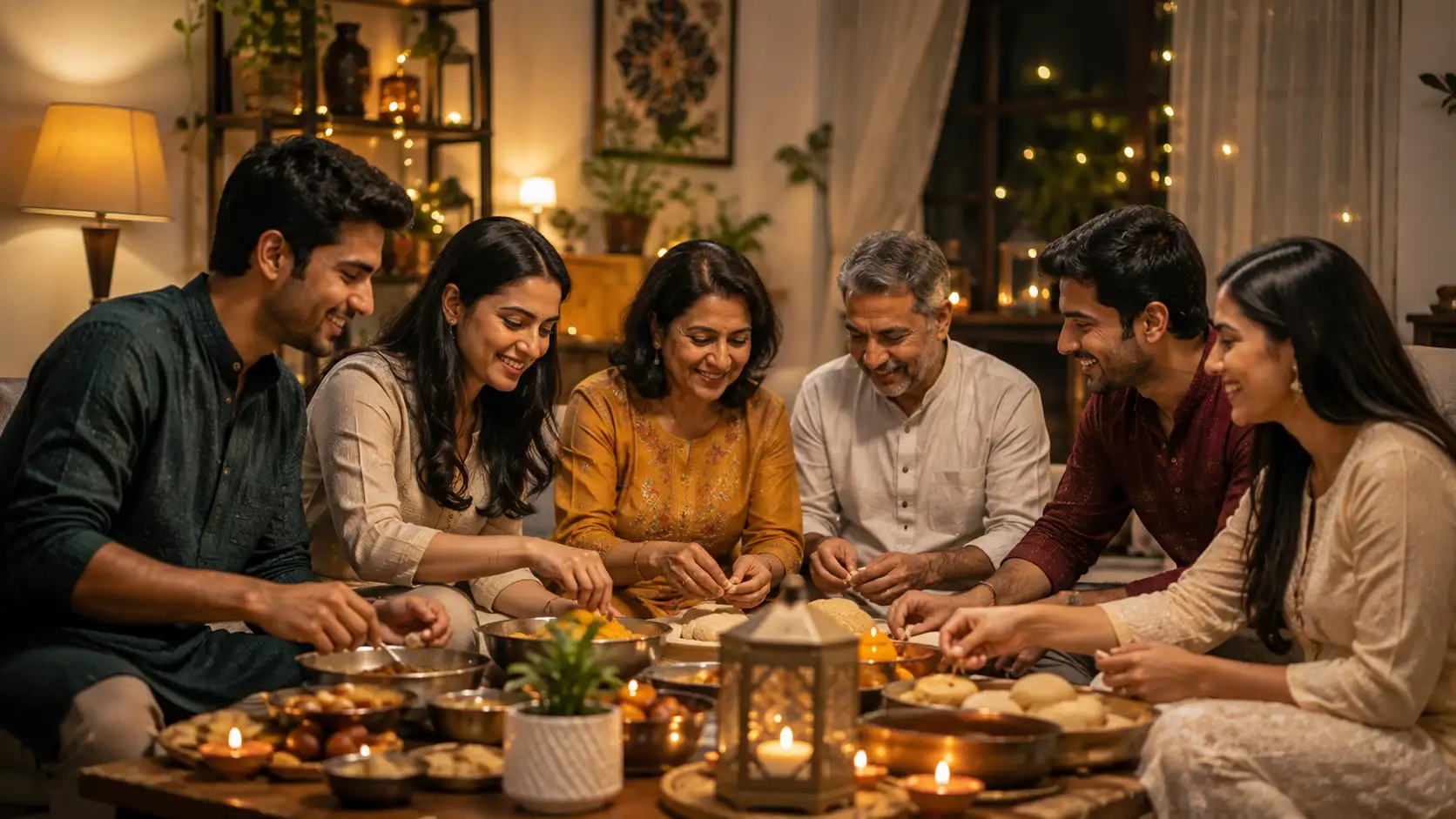
From Sunday roast dinners and seasonal baking sessions to analog board game nights and ancestral craft practices, Millennials and Gen Z are intentionally bringing back time-honoured routines. But why are young people turning toward the habits of their parents and grandparents, and how are they adapting these customs for modern life?
In response, establishing repeatable, predictable family routines provides a comforting sense of safety and emotional anchor. Preparing a traditional family recipe passed down through generations or hosting a weekly family dinner forces individuals to log off, slow down, and remain present. These small rituals create structured, stress-free zones that offer a welcome antidote to daily anxiety.
Embracing nostalgic family customs such as gathering around a table for holiday preparation, gardening together, or sharing Sunday lunch serves as a practical way to spend quality time with loved ones without digital distractions. Reclaiming these shared physical moments allows younger adults to build deeper, more meaningful personal relationships with family members and close friends.
For instance, classic family recipes are frequently updated to feature plant-based ingredients or cater to specific dietary preferences. Similarly, formal or rigid holiday gatherings are being replaced by relaxed, inclusive "friendsgiving" dinners or joint multi-generational celebrations. By infusing traditional practices with modern flexibility, young people ensure these customs remain relevant, welcoming, and fun for everyone involved.
From Sunday roast dinners and seasonal baking sessions to analog board game nights and ancestral craft practices, Millennials and Gen Z are intentionally bringing back time-honoured routines. But why are young people turning toward the habits of their parents and grandparents, and how are they adapting these customs for modern life?
1. Seeking Grounding and Emotional Stability
The modern digital landscape operates at an relentless speed. Between endless news cycles, remote working setups, and continuous notifications, young adults face unprecedented levels of mental fatigue and burnout.In response, establishing repeatable, predictable family routines provides a comforting sense of safety and emotional anchor. Preparing a traditional family recipe passed down through generations or hosting a weekly family dinner forces individuals to log off, slow down, and remain present. These small rituals create structured, stress-free zones that offer a welcome antidote to daily anxiety.
2. Reconnecting Through Real-World Experiences
While social media makes it simple to stay digitally connected, younger people are increasingly experiencing feelings of loneliness and screen fatigue. Digital interactions cannot replicate the warmth of real-world human connection.You may also like
- Old Coins: Earn ₹10 lakh by selling old coins—did PM Modi say this in a video? Here is what the government clarified.
- Lipedema Symptoms: Don't mistake thigh fat for normal fat; it could be a sign of this disease.
- Causes of Lung Cancer: Weeks-old cough and blood in sputum? Learn the early symptoms of lung cancer.
- 10 monsoon travel essentials every traveller should pack this rainy season
- Nikhita Gandhi to Dazzle Audiences at IFFM 2026 with Live Performance
Embracing nostalgic family customs such as gathering around a table for holiday preparation, gardening together, or sharing Sunday lunch serves as a practical way to spend quality time with loved ones without digital distractions. Reclaiming these shared physical moments allows younger adults to build deeper, more meaningful personal relationships with family members and close friends.
3. Personalising and Modernising Old Heritage
What makes this cultural movement particularly interesting is that young adults are not simply copying past habits word-for-word. Instead, they are reimagining family traditions to fit their own contemporary values.For instance, classic family recipes are frequently updated to feature plant-based ingredients or cater to specific dietary preferences. Similarly, formal or rigid holiday gatherings are being replaced by relaxed, inclusive "friendsgiving" dinners or joint multi-generational celebrations. By infusing traditional practices with modern flexibility, young people ensure these customs remain relevant, welcoming, and fun for everyone involved.
4. Honouring Cultural Identity and Roots
In a globalised world where mass production dominates retail and culture, younger individuals place high value on authenticity and personal identity. Reconnecting with ancestral customs such as learning traditional home cooking, celebrating regional cultural festivals, or preserving hand-me-down heirlooms helps young adults establish a strong connection to their unique heritage. It allows them to feel rooted in a shared history while creating lasting memories that they can eventually pass on to future generations.Building Meaningful Memories for the Future
Ultimately, the revival of ancestral customs is far more than a passing phase. By blending classic customs with modern lifestyle choices, the return of family traditions among younger generations shows that modern youth understand the timeless value of community, home, and shared human connection. In a world that is constantly moving forward, looking back to cherished roots might just be the best way to move ahead.





Loving Newspoint? Download the app now
