
Why Remote Workers Are Choosing Coffee Shops as Their New Office Spaces

In the era of flexible employment and hybrid schedules, the traditional office layout is no longer the sole centre of daily work life. Millions of professionals around the world now have the freedom to complete their tasks from virtually anywhere with a reliable internet connection. However, working entirely from a spare bedroom or kitchen table quickly reveals its own set of challenges chiefly isolation, routine fatigue, and the blurring of personal and professional boundaries.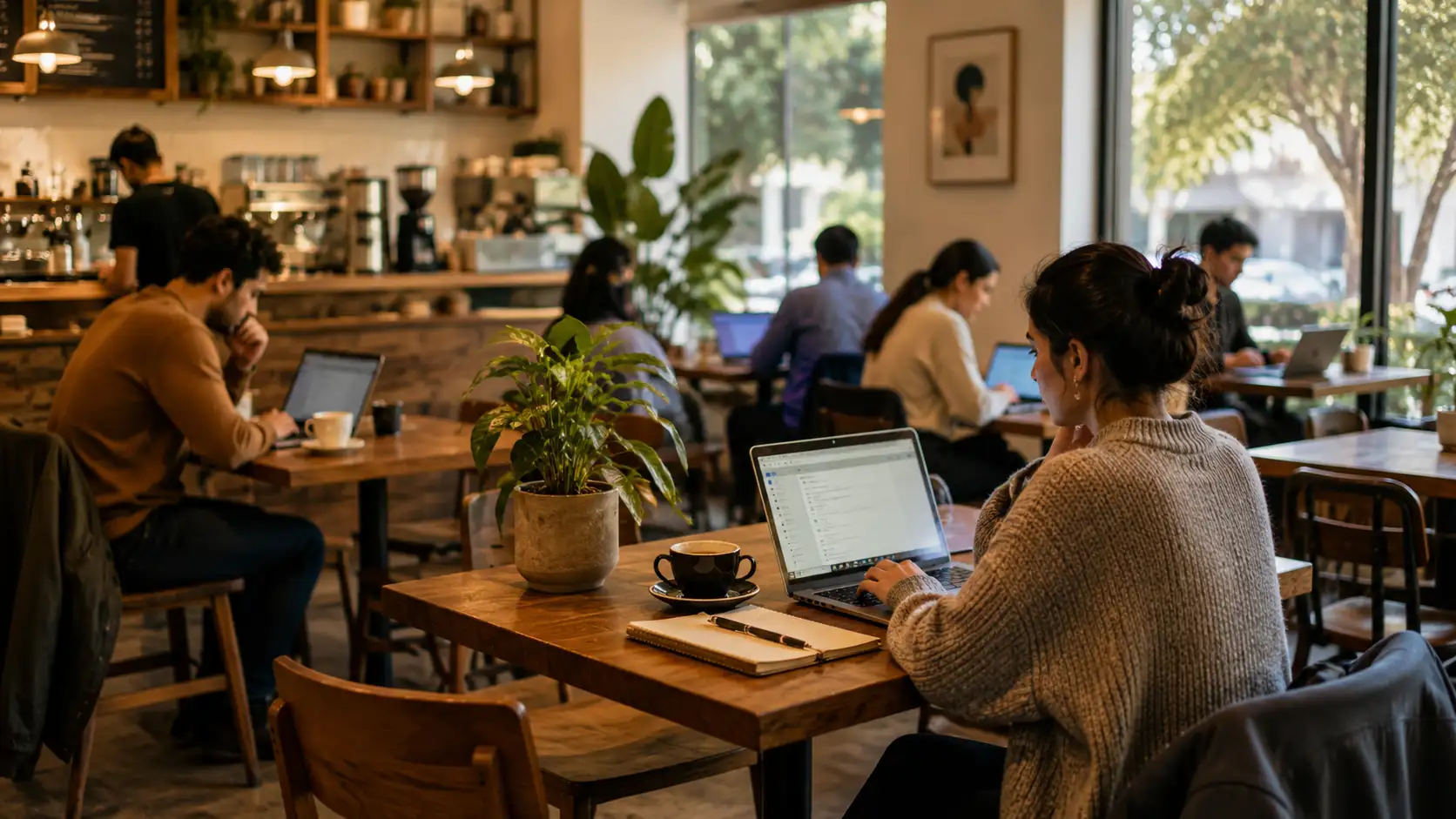
To solve this dilemma, remote workers are turning in huge numbers to a familiar neighbourhood spot: the local coffee shop . Cafés have organically evolved into the primary " third place " a social space separate from home (the first place) and the traditional office (the second place) where people can sit, focus, and feel part of a community.
Today, as remote work removes daily face-to-face interactions with colleagues, the local café has stepped up to fill the void. It offers a unique middle ground: a space that is less isolated than a quiet living room, yet far less rigid and monitored than a corporate open-plan office.
Conversely, the ambient noise of a coffee shop, the hum of the espresso machine, soft background music, and low conversational chatter creates an ideal environment for focus. Psychologists refer to this as "coffee shop acoustics," where a moderate level of background noise actually boosts creative thinking and concentration. Furthermore, being surrounded by other people quietly working or reading creates a subtle form of social accountability, encouraging workers to stay on task.
The simple act of walking to a café, ordering a hot drink, and settling into a vibrant space helps mark a clear psychological start to the working hours. It provides a change of scenery that stimulates fresh ideas and helps prevent the mental stagnation that often accompanies permanent home working.
In return, remote workers support local businesses during historically quiet mid-morning and mid-afternoon hours. When managed with mutual respect such as buying regular drinks and avoiding table-hogging during peak lunch hours this dynamic creates a thriving local ecosystem that benefits both business owners and remote professionals.
Cafés have successfully reinvented themselves for the digital age. By providing warmth, community, and background energy, they offer remote workers the perfect setting to stay productive while remaining connected to the world around them.
To solve this dilemma, remote workers are turning in huge numbers to a familiar neighbourhood spot: the local coffee shop . Cafés have organically evolved into the primary " third place " a social space separate from home (the first place) and the traditional office (the second place) where people can sit, focus, and feel part of a community.
The Need for a Third Place
The sociological concept of the "third place" was originally introduced to describe informal public gathering spots that foster civil engagement and community life. Historically, these were places like pubs, town squares, or local parks.Today, as remote work removes daily face-to-face interactions with colleagues, the local café has stepped up to fill the void. It offers a unique middle ground: a space that is less isolated than a quiet living room, yet far less rigid and monitored than a corporate open-plan office.
Gentle Social Energy and Ambient Focus
One of the main reasons remote workers prefer cafés over working from home is the presence of gentle background activity. Working in total solitude can be surprisingly distracting, as the silence often highlights every small domestic distraction, from unwashed dishes to laundry piles.You may also like
- Top 8 Mehendi Designs to Embrace This Monsoon Season
- Mirabai Chanu, a tea seller's daughter, who carried firewood on her head through forest trails, has today won first gold for India at the Commonwealth Games: The inspiring story of a girl whose first barbell was a bamboo stick
- KYC rules will change from August 1! CKYC 2.0 is coming, accounts will be opened without documents..
- Friendship Day Weekend Escapes: 5 Monsoon Getaways Near Mumbai to Make Memories With Your Gang
- New Corona cases raise concerns; Covid beds ready in hospitals—what is the situation in Delhi-NCR?
Conversely, the ambient noise of a coffee shop, the hum of the espresso machine, soft background music, and low conversational chatter creates an ideal environment for focus. Psychologists refer to this as "coffee shop acoustics," where a moderate level of background noise actually boosts creative thinking and concentration. Furthermore, being surrounded by other people quietly working or reading creates a subtle form of social accountability, encouraging workers to stay on task.
Breaking the Monotony of Working from Home
Spending eight hours a day inside the same four walls can quickly lead to mental fatigue and reduced motivation. Leaving the house to visit a local coffee shop introduces a meaningful ritual into the workday.The simple act of walking to a café, ordering a hot drink, and settling into a vibrant space helps mark a clear psychological start to the working hours. It provides a change of scenery that stimulates fresh ideas and helps prevent the mental stagnation that often accompanies permanent home working.
The Changing Relationship Between Cafés and Customers
As coffee shops step into this new role, the relationship between café owners and remote workers has evolved. Many independent establishments now cater directly to laptop users by offering high-speed Wi-Fi, accessible power sockets, and varied seating layouts.In return, remote workers support local businesses during historically quiet mid-morning and mid-afternoon hours. When managed with mutual respect such as buying regular drinks and avoiding table-hogging during peak lunch hours this dynamic creates a thriving local ecosystem that benefits both business owners and remote professionals.
Cafés have successfully reinvented themselves for the digital age. By providing warmth, community, and background energy, they offer remote workers the perfect setting to stay productive while remaining connected to the world around them.






Loving Newspoint? Download the app now
