
Why Fermented Foods Are Becoming More Popular Around the World

Fermented foods have been part of human diets for thousands of years, long before refrigerators and modern food preservation methods existed. Today, they are enjoying a remarkable resurgence as more people seek healthier eating habits and discover the importance of gut health . From yoghurt and cheese to kimchi, sauerkraut and traditional pickles, fermented foods are appearing on supermarket shelves and restaurant menus across the world. While they are often praised for their nutritional value, their popularity is also linked to changing lifestyles, growing scientific research and renewed interest in traditional cooking methods . As awareness of digestive health continues to grow, fermented foods are becoming more than a trend. They are once again becoming an everyday part of balanced diets.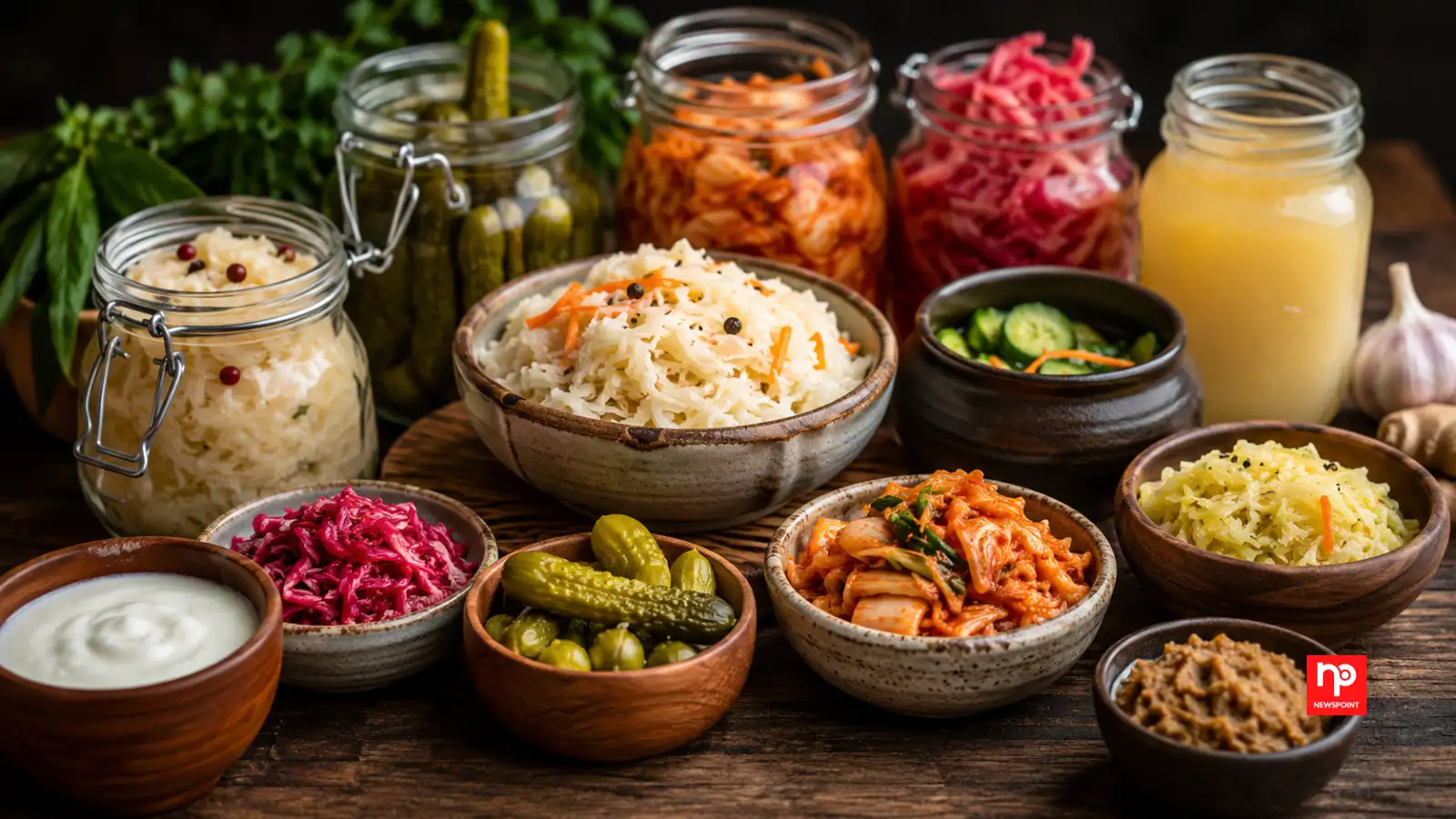
Common fermented foods include yoghurt, kefir, cheese, sourdough bread, kimchi, sauerkraut, miso, tempeh and certain traditional pickles. Every culture has developed its own fermented foods over centuries, often using locally available ingredients and unique preparation techniques.
One reason fermented foods are so distinctive is their complex taste. Many have tangy, savoury or mildly sour flavours that develop naturally during fermentation.
Some fermented foods contain live microorganisms that may help support a healthy balance of gut bacteria. Although not every fermented food contains live cultures by the time it reaches consumers, products such as yoghurt with live cultures and kefir are widely recognised for this benefit.
Scientists continue to study the relationship between gut health and other aspects of wellbeing, including immune function and overall digestive comfort. While research is still evolving, maintaining a diverse and balanced diet remains an important recommendation.
In Korea, kimchi has been prepared for generations as an essential household staple. Japan is known for miso and natto, while many European countries have long traditions of producing sauerkraut, yoghurt and cheese. In India, foods such as idli, dosa and dahi also rely on natural fermentation processes.
These traditional recipes demonstrate that fermentation has long been valued not only for preservation but also for enhancing flavour and improving food availability throughout the year.
Another interesting fact is that sourdough bread uses natural fermentation rather than commercial baker's yeast alone. This slow process contributes to its distinctive taste and texture.
Not all pickled foods are fermented. Some vegetables are simply preserved in vinegar, while true fermented pickles rely on naturally occurring bacteria to complete the fermentation process.
They also encourage greater appreciation of local food traditions and sustainable cooking practices. Fermentation can reduce food waste by extending the life of fresh ingredients while creating entirely new flavours.
As researchers continue to explore the relationship between diet and gut health, fermented foods are likely to remain an important part of nutritional discussions.
What Makes Fermented Foods Different?
Fermentation is a natural process in which beneficial microorganisms such as bacteria and yeast break down sugars and starches in food. This process not only helps preserve food but also changes its flavour, texture and nutritional profile.Common fermented foods include yoghurt, kefir, cheese, sourdough bread, kimchi, sauerkraut, miso, tempeh and certain traditional pickles. Every culture has developed its own fermented foods over centuries, often using locally available ingredients and unique preparation techniques.
One reason fermented foods are so distinctive is their complex taste. Many have tangy, savoury or mildly sour flavours that develop naturally during fermentation.
The Link Between Fermented Foods and Gut Health
One of the biggest reasons fermented foods have gained attention is their connection to gut health. The human digestive system is home to trillions of microorganisms, collectively known as the gut microbiome, which play an important role in digestion and overall wellbeing.Some fermented foods contain live microorganisms that may help support a healthy balance of gut bacteria. Although not every fermented food contains live cultures by the time it reaches consumers, products such as yoghurt with live cultures and kefir are widely recognised for this benefit.
Scientists continue to study the relationship between gut health and other aspects of wellbeing, including immune function and overall digestive comfort. While research is still evolving, maintaining a diverse and balanced diet remains an important recommendation.
A Tradition That Never Really Disappeared
Although fermented foods may seem fashionable today, they have deep historical roots. Long before refrigeration, fermentation helped communities preserve food safely for months.In Korea, kimchi has been prepared for generations as an essential household staple. Japan is known for miso and natto, while many European countries have long traditions of producing sauerkraut, yoghurt and cheese. In India, foods such as idli, dosa and dahi also rely on natural fermentation processes.
You may also like
- For modern parents, trust begins with the ingredient list on foods
- Gaurav Khanna Shares Brutal Injury Video Amid Bullying Claims
- Vrindavan Chandrodaya Mandir to Host Braj Heritage Fest from August 3
- “Papa used to walk to office to save Rs 5”: Man who went viral after getting his 80-year-old father on a Vande Bharat ride for the first time shares his full emotional story
- From Compassion to Policy: The Kingdom That Is Swapping Chicken-Based Meals For Tofu in Schools, Monasteries and Nunneries
These traditional recipes demonstrate that fermentation has long been valued not only for preservation but also for enhancing flavour and improving food availability throughout the year.
Lesser-Known Facts About Fermented Foods
Many people are surprised to learn that chocolate, coffee and tea all involve fermentation at certain stages of production. Without this process, these everyday favourites would develop very different flavours.Another interesting fact is that sourdough bread uses natural fermentation rather than commercial baker's yeast alone. This slow process contributes to its distinctive taste and texture.
Not all pickled foods are fermented. Some vegetables are simply preserved in vinegar, while true fermented pickles rely on naturally occurring bacteria to complete the fermentation process.
Why Fermented Foods Matter Today
Growing interest in healthier lifestyles has encouraged many people to explore foods that support overall wellbeing. Fermented foods fit naturally into this movement because they combine traditional preparation methods with modern nutritional awareness.They also encourage greater appreciation of local food traditions and sustainable cooking practices. Fermentation can reduce food waste by extending the life of fresh ingredients while creating entirely new flavours.
As researchers continue to explore the relationship between diet and gut health, fermented foods are likely to remain an important part of nutritional discussions.






Loving Newspoint? Download the app now
