
Why Does Ice Cream Feel Colder Than Ice? The Surprising Reason Explained

Have you ever taken a spoonful of ice cream and felt an intense burst of cold that seems stronger than drinking ice water? Surprisingly, ice cream is not always colder than ice water. In many cases, both may be at similar temperatures, yet our senses experience them differently. The reason lies in how heat moves, how our mouths react, and how ice cream’s unique mixture of fat, sugar, and air changes the way cold is delivered. This everyday experience is a perfect example of how our brain interprets temperature, not just by numbers but by sensations.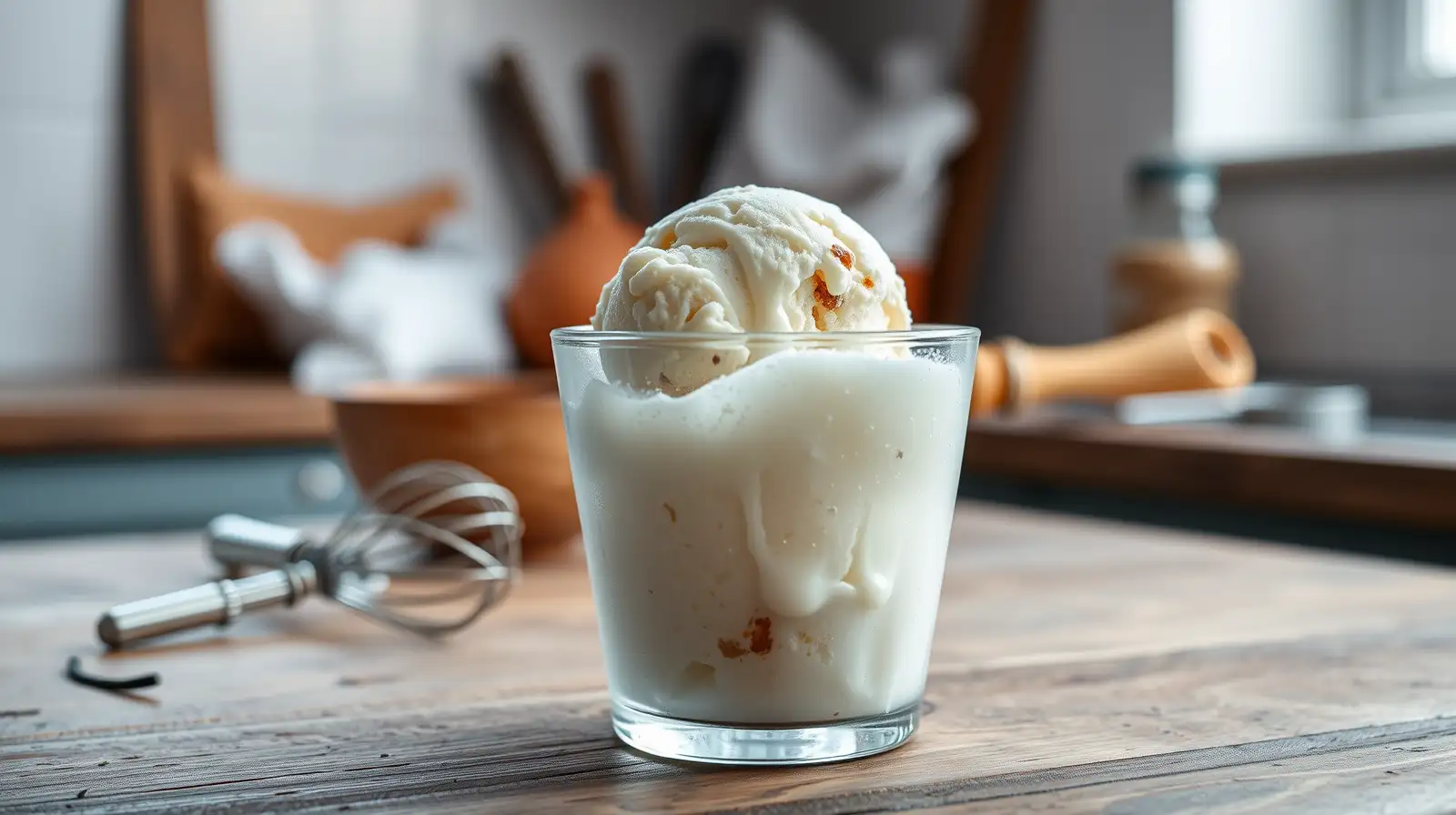
When something cold enters your mouth, heat flows from your warm tissues into the colder food or drink. The faster this heat transfer happens, the colder something feels.
Because ice cream is semi-solid, it stays in contact with your tongue and mouth for longer. This extended contact gives your nerves more time to detect the cold sensation. Ice water, on the other hand, quickly spreads across the mouth and is swallowed faster, reducing the length of the cold experience.
The creamy texture also slows down movement compared with a liquid. A spoonful of ice cream remains on the tongue, allowing more temperature receptors to respond.
Interestingly, foods with higher fat content can sometimes feel colder because fat changes the texture and melting behaviour of frozen foods. This is why premium ice creams often create a different cold sensation compared with cheaper alternatives.
This reaction explains why eating ice cream too quickly can cause “brain freeze”. The sudden cooling of nerves in the roof of the mouth triggers a temporary pain response.
The next time ice cream feels colder than ice water, remember that your senses are responding to more than just temperature. A simple scoop of ice cream is a small scientific experiment happening inside your mouth, where physics, biology, and food chemistry come together.
Why Ice Cream Feels Colder Than Ice Water
The Temperature Is Not the Only Thing We Feel
Many people assume ice cream feels colder because it is stored at a lower temperature, but that is not always true. Ice cream is usually kept at around -18°C in freezers, while ice water can also reach temperatures close to 0°C. However, the feeling of cold depends on how quickly heat leaves your mouth.When something cold enters your mouth, heat flows from your warm tissues into the colder food or drink. The faster this heat transfer happens, the colder something feels.
Ice Cream Transfers Cold Differently
Ice cream has a unique structure compared with water. It contains ice crystals, fat, sugar, and tiny air bubbles. These ingredients affect how it melts and how heat moves through it.Because ice cream is semi-solid, it stays in contact with your tongue and mouth for longer. This extended contact gives your nerves more time to detect the cold sensation. Ice water, on the other hand, quickly spreads across the mouth and is swallowed faster, reducing the length of the cold experience.
You may also like
- Everything was 'normal' in the first screening—so how could cancer show up in the second? The doctor explains the reason..
- 4 waterfalls near Hyderabad where you can safely swim this monsoon
- A therapist who has spent decades treating adults who were emotionally neglected as children says they share 5 relationship struggles
- Kangana Ranaut's Dream Home: A Rs 30 Crore Mansion in Manali
- Side Effects of Eating Too Many Eggs: Does eating 50 eggs at once really lead to death? Know the truth behind it?
The Role of Melting and Texture
The melting process also influences the sensation. As ice cream melts, the ice crystals absorb heat from your mouth to change from solid to liquid. This process requires energy, which increases the cooling effect.The creamy texture also slows down movement compared with a liquid. A spoonful of ice cream remains on the tongue, allowing more temperature receptors to respond.
Interestingly, foods with higher fat content can sometimes feel colder because fat changes the texture and melting behaviour of frozen foods. This is why premium ice creams often create a different cold sensation compared with cheaper alternatives.
Why Our Brain Reacts So Strongly to Cold Foods
The human body has specialised nerve endings that detect temperature changes. When these receptors sense a rapid drop in temperature, they send signals to the brain, creating the familiar feeling of cold.This reaction explains why eating ice cream too quickly can cause “brain freeze”. The sudden cooling of nerves in the roof of the mouth triggers a temporary pain response.
Why This Science Matters Today
Understanding how ice cream feels cold helps food scientists design better frozen products. Companies study temperature, texture, and ingredients to create desserts that feel smoother, creamier, and more enjoyable.The next time ice cream feels colder than ice water, remember that your senses are responding to more than just temperature. A simple scoop of ice cream is a small scientific experiment happening inside your mouth, where physics, biology, and food chemistry come together.






More from our partners


Loving Newspoint? Download the app now
